Connecticut Asbestos Abatement Procedures
📅 2026 Update: Recent Changes in Connecticut Asbestos Abatement Procedures
Significant changes have occurred in asbestos abatement procedures since the original article was written. The landscape of regulations and services continues to evolve, impacting homeowners and contractors alike. The following sections will detail these updates, while the earlier article remains available further down the page for foundational information.
🏛️ Federal Regulations
The Environmental Protection Agency (EPA) still oversees asbestos abatement under the National Emission Standards for Hazardous Air Pollutants (NESHAP). These regulations mandate that only certified professionals can remove asbestos-containing materials. The guidelines in the Code of Federal Regulations (CFR), Title 40, Part 61, remain crucial for compliance, emphasizing the need for safe practices during any demolition or renovation work.
📜 State Regulations
Each state, including Connecticut, has its own regulations regarding asbestos abatement. The Connecticut Department of Public Health and the Department of Energy and Environmental Protection provide resources and guidelines for asbestos handling. Staying informed about state-specific requirements is essential for anyone involved in abatement projects.
🧰 Abatement Procedures
Asbestos abatement processes continue to follow established steps:
- 🔍 Inspection: Identifying asbestos-containing materials in buildings is the first step.
- ⚠️ Risk Assessment: Evaluating the potential exposure risks is vital for safety planning.
- 📝 Planning: A solid abatement plan should be developed with safety measures.
- 🧑🔧 Removal: Only certified professionals should carry out the removal.
- 🗑️ Disposal: Proper disposal must comply with federal and state regulations.
💰 Costs and Processing Times
Asbestos abatement costs fluctuate widely, depending on the project's scale and complexity. Homeowners in Connecticut can expect costs ranging from $1,500 to $3,000 for smaller projects, while larger removals may exceed this range. Processing times also vary, with smaller residential projects sometimes completed in just a few days, but larger ones could take several weeks.
📈 Financial Assistance and Resources
Connecticut residents may find local grants and low-interest loans that assist with asbestos abatement. Eligibility for these programs often varies, particularly for low-income homeowners. Checking with local health departments or environmental agencies can help identify available resources and deadlines for applications.
📌 Key Points Summary
- 🔹 Federal oversight remains crucial for asbestos abatement.
- 🔸 State regulations vary; check with local agencies.
- 🔹 Abatement involves inspection, risk assessment, planning, removal, and disposal.
- 🔸 Costs for abatement can range widely based on project size.
- 🔹 Financial assistance options may be available through local programs.
💡 Practical Tips for Asbestos Abatement
Review the details of your specific situation with an attorney.
🧑🔧 Hire Certified Professionals
Always engage certified asbestos abatement contractors to ensure safety and compliance with regulations. Proper training and licensing are essential for effective removal.
🏢 Understand State Regulations
Familiarize yourself with your state's specific guidelines regarding asbestos handling. This knowledge is key to navigating the abatement process correctly.
📊 Get Multiple Quotes
When considering abatement, obtain several quotes from certified contractors. This practice helps ensure a fair price and allows you to compare service options.
⚠️ Prepare for Risks
Conduct a thorough risk assessment before starting any abatement project. Understanding the potential risks will help in planning effective safety measures.
🗓️ Stay Updated on Regulations
Follow updates from your state’s health and environmental departments. Regulations may change, and staying informed can help ensure compliance.
🏠 Use Available Resources
Look for nonprofit organizations that provide guidance or resources for asbestos abatement. They can help connect you with certified professionals and offer educational materials.
🏆 Asbestos Abatement Services Ranked by User Reviews (2026)
This section highlights services related to asbestos abatement, focusing on user reviews and ratings. The order reflects Trustpilot data as of October 2026, but it's important to note that scores can change over time. Ratings are just one part of the picture, as unhappy customers often leave more reviews.
🥇 1. Asbestos Sampling
Asbestos Sampling holds a Trustpilot score of 4.6. This service is known for its asbestos testing kits and laboratory analysis. Reviewers appreciate the quality of the testing, but some have noted challenges with customer service responsiveness.
This makes it essential for users to consider their level of support when using this service.
🆓 Free Government and Nonprofit Help
While direct financial assistance for asbestos abatement is limited, some government agencies and nonprofit organizations offer resources and guidance. The EPA provides educational materials, and local health departments can share information about safe practices and regulations. These resources can be invaluable for those looking to navigate the abatement process.
🔎 What to Compare When Choosing Asbestos Services
- 🔹 Trustpilot scores: Look for services with high ratings.
- 🔸 Customer reviews: Examine feedback for service quality and responsiveness.
- 🔹 Service offerings: Consider the variety of services provided.
- 🔸 Expertise and certification: Ensure professionals have the proper training.
- 🔹 Availability of resources: Check for educational materials and guidance.
❓ Frequently Asked Questions
🔍 What is the first step in asbestos abatement?
The first step in asbestos abatement is conducting an inspection to identify any asbestos-containing materials in the building.
🛠️ How long does an abatement project typically take?
The time required for an abatement project can vary. Smaller residential projects may take a few days, while larger commercial ones could extend over several weeks.
💸 What are the average costs for asbestos abatement?
Homeowners can expect to pay between $1,500 and $3,000 for small-scale asbestos abatement projects. Costs will vary based on the complexity and amount of material involved.
📅 Are there financial assistance programs available?
Yes, some states, including Connecticut, offer grants or low-interest loans for asbestos abatement, especially for low-income homeowners. It's important to check local resources for eligibility.
⚖️ What regulations govern asbestos abatement?
Asbestos abatement is governed by federal regulations under the EPA and state-specific regulations. Each state has its own guidelines that must be followed during the abatement process.
🏢 How can I find certified asbestos contractors?
You can find certified asbestos contractors through referrals from local health departments or environmental agencies. It's also advisable to check online reviews for service quality.
⚖️ Recent Court Cases Related to Asbestos
Recent court rulings have further shaped the landscape of asbestos abatement and liability. These rulings often address issues such as exposure claims and compliance with abatement regulations.
- Illinois Court Upholds Jurisdiction in Asbestos Case Against Japan BrakeAppellate Court of Illinois · September 8, 2026
- Hawaii Supreme Court Rules on Toxic Tort Case CausationHawaii Supreme Court · September 21, 2026
- Hawaii Supreme Court Rules on Toxic Tort Case AppealsHawaii Supreme Court · September 21, 2026
- Court affirms remand of asbestos case against General ElectricCourt of Appeals for the Sixth Circuit · September 9, 2026
For more recent rulings, you can explore more rulings on the news page.
End of October 2026 Update
When deal with Connecticut asbestos abatement procedures it is important to follow all of them thoroughly to avoid causing harm to yourself or your family. Those that violate Connecticut asbestos abatement procedures also place themselves in danger of financial penalties too, from improper abatement and disposal. Having a certified and licensed asbestos removal professional is not only mandatory for most renovation and demolition projects, it is also recommended for private residences built before 1980.
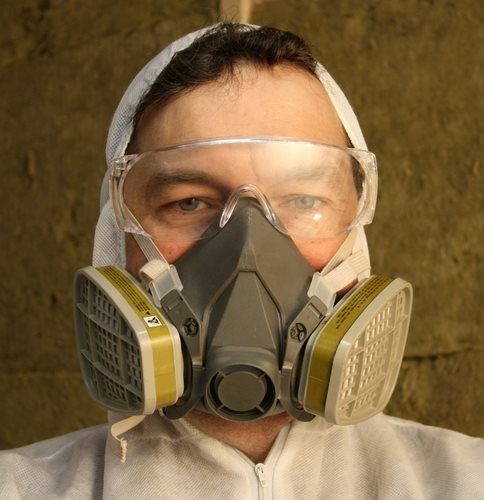
How are asbestos abatement professionals certified in Connecticut?
To remove asbestos in Connecticut, the worker must receive a course on Connecticut asbestos abatement procedures. This will consist of a lengthy course on safety regulations, the dangers of asbestos, and the best ways to remove asbestos from structures. Afterward there will be a test that will need passing grades of 70% in order to be certified by the Connecticut Department of Public Health.
How are friable materials removed, under Connecticut asbestos abatement procedures?
The asbestos abatement worker must ensure that the material to be removed is adequately wetted. Wetting the asbestos prevents it from releasing more fibers, which is essential to ensuring the safety of those that are removing the asbestos and also to ensure that particles will not linger in the air after the asbestos is removed.
Alternatively, the asbestos abatement worker may apply a sealant or other protection, through a process called encapsulation. This will prevent the friable surface from breaking apart further and spreading asbestos fibers. This seal, according to Connecticut asbestos abatement procedures, but be impermeable, and airtight to prevent the possibility of further contamination. In addition, the encapsulating substance must not be applied using air-based spray and should contain no asbestos of its own. This is of course, not an option for buildings to be demolished.
Notification requirements
The Connecticut DPH will be notified any time there is the abatement of asbestos containing materials above a certain threshold. Generally, this means asbestos abatement of 10 feet or 25 square feet of material. Notification must be sent to the DPH ten working days before the start of the renovation or demolition. You may receive specific instructions for disposal or procedures that need to be followed.
Disposal of asbestos contain material, according to Connecticut asbestos abatement procedures
There will be fees for persons attempting to dispose of asbestos containing materials, as they must obtain a Special Waste Disposal Authorization. For asbestos alone, the fee will be $300. Those that wish to secure a permit must complete the application form, noting the materials to be disposed and be subject to review by the Department of Energy and Environmental Protection to ensure that the level of hazard does not exceed what can be handled at the disposal facility.