Alabama Asbestos Abatement Procedures
📅 2026 Update: Recent Changes in Alabama Asbestos Abatement Procedures
Since the original article was published, there have been updates regarding asbestos abatement procedures in Alabama and across the United States. These changes include new insights into costs, processing times, and available assistance for homeowners. Readers can find the earlier article further down the page for foundational information.
🏗️ Federal Regulations
The Environmental Protection Agency (EPA) continues to oversee asbestos abatement under the National Emission Standards for Hazardous Air Pollutants (NESHAP). These regulations ensure that asbestos-containing materials are removed by certified professionals. The guidelines remain outlined in the Code of Federal Regulations (CFR), Title 40, Part 61, but states may have additional rules to follow.
🗺️ State Regulations
Each state has unique regulations regarding asbestos abatement. Alabama's rules align with federal standards but may have specific procedures that differ based on local needs. It's best to consult Alabama's environmental or health department for the latest updates.
💰 Cost of Abatement
Costs for asbestos abatement can vary significantly. As of 2026, homeowners can expect to pay between $1,500 and $3,000 for smaller projects. Larger-scale removals can be more expensive.
It's important to request multiple quotes from contractors to find a fair price.
⏳ Processing Times
The time taken for asbestos abatement projects can depend on size and scope. Smaller residential projects usually take a few days, while larger commercial projects may last several weeks. Permitting and inspections can also impact timelines.
📋 Eligibility for Assistance
Eligibility for financial assistance regarding asbestos abatement varies by state. Alabama may offer specific programs for low-income homeowners. Checking with local health departments is crucial for understanding available options and deadlines.
📌 Key Points
- Federal regulations guide asbestos removal by certified professionals.
- State regulations can differ; consult local agencies for specifics.
- Costs for removal range from $1,500 to $3,000 for small projects.
- Processing times vary based on project size and complexity.
- Financial assistance options exist, particularly for low-income households.
💡 Tips for Asbestos Abatement Procedures
Review the specifics of your situation with an attorney.
🏠 Know Your Rights
Homeowners should understand their rights when dealing with asbestos. Familiarizing yourself with state regulations can empower you during the abatement process.
🔍 Hire Certified Professionals
Always engage certified asbestos abatement contractors. They are trained to safely manage and remove asbestos according to regulations.
📅 Plan for Inspections
Be prepared for necessary inspections before and after the abatement process. These can affect the timeline and may require coordination with local authorities.
💲 Get Multiple Quotes
When seeking contractors, request multiple quotes. This can help ensure you receive a competitive price for the abatement services you need.
📝 Stay Updated
Asbestos regulations can change. Regularly check official resources for updates on best practices, safety measures, and financial assistance programs.
🏆 Asbestos Abatement Services Ranked by User Reviews (2026)
This section lists services relevant to asbestos abatement, focusing on user reviews as of October 2026. Trustpilot scores reflect customer experiences but remember that unhappy customers often leave more feedback. Reviews can vary based on individual experiences.
🥇 1. Asbestos Sampling
Asbestos Sampling has been rated 4.6 stars on Trustpilot. This service is known for its asbestos testing kits and laboratory analysis. Reviewers highlight the quality of their testing but some have reported issues with customer service responsiveness, which is an important factor to consider.
🆓 Free Assistance Options
While direct financial assistance for asbestos abatement is limited, some nonprofit organizations and government agencies can offer resources and guidance. The EPA provides educational materials, and local health departments can inform residents about safe practices and available programs.
🔎 Key Considerations
- Review scores reflect user satisfaction; higher scores may indicate better service.
- Service offerings should be relevant to asbestos testing and removal.
- Customer service experiences can vary; check reviews for insights.
- Local regulations may affect the choice of service providers.
- Cost estimates should be compared to ensure fair pricing.
❓ Frequently Asked Questions
❔ What is asbestos abatement?
Asbestos abatement is the process of removing or minimizing asbestos-containing materials to prevent exposure. This often involves hiring certified professionals to ensure safety.
🏢 Who is responsible for asbestos abatement in a commercial building?
Building owners or property managers are generally responsible for ensuring that asbestos abatement is performed correctly and safely in commercial settings.
📝 What should I do if my home has asbestos?
If you suspect asbestos in your home, do not disturb it. Consult certified professionals to conduct an inspection and risk assessment.
🚧 How can I ensure safe asbestos removal?
Hire certified asbestos abatement contractors who follow federal and state regulations. They have the training and equipment to handle asbestos safely.
🕒 How long does it take to remove asbestos?
The duration of asbestos removal can vary. Smaller projects may take a few days, while larger ones can extend over several weeks.
📄 Are there any financial assistance programs available for asbestos removal?
Financial assistance varies by state. Some states offer grants or low-interest loans for low-income homeowners for asbestos abatement.
⚖️ Recent Cases Related to Asbestos
Recent court rulings highlight the importance of following asbestos regulations and the consequences of non-compliance. These rulings relate to environmental health and safety standards concerning asbestos abatement.
- Court rules teacher entitled to sick leave after COVID-19 exposureNew Jersey Superior Court Appellate Division · April 6, 2023
- Texas Court of Appeals extends abatement in Hughes caseTexas Court of Appeals, 3rd District (Austin) · May 26, 2026
- Illinois Court Upholds Jurisdiction in Asbestos Case Against Japan BrakeAppellate Court of Illinois · September 8, 2026
- Hawaii Supreme Court Rules on Toxic Tort Case CausationHawaii Supreme Court · September 21, 2026
For more recent rulings, you can browse more rulings on the news page.
End of October 2026 Update
All Alabama asbestos abatement procedures require advance notification be given to the Alabama Department of Environmental Management. This is achieved through a notification form that must be summited 10 weekdays before beginning any work to remove any regulated asbestos containing material. In addition, all organizations that carry out Alabama asbestos abatement procedures must be certified by the state and each individual vetted for their ability to dispose of the material safely.
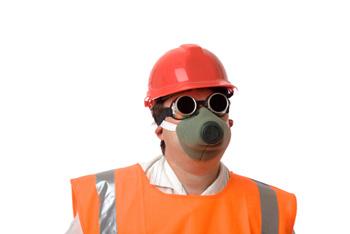
What Alabama asbestos abatement procedures require notification?
Small scale projects will not require ADEM notification and approval or inspection. These small scale asbestos abatement works include removal of materials less than a total of 260 linear feet, 160 square feet or 35 cubic feet.
You will need to notify the ADEM for all demolitions involving structures with asbestos containing material or if the building will be intentionally set on fire for fire training purposes.
Residential buildings with less than four units are also exempt from notification but must ensure that they obey the Alabama asbestos abatement procedures for disposing of the ACM.
What is a RACM?
Alabama asbestos abatement procedure recognizes any material that is greater than 1% asbestos by weight as a regulated asbestos containing material, subject to stringent regulations on its asbestos abatement and disposal. There are different categories for friable and non-friable materials.
Friable ACM:
-Can be broken with human pressure
-Many forms of insulation
-Almost all spray able insulation, waterproofing, fireproofing and soundproofing
Category I non-friable:
-Asphalt roofing, vinyl flooring tiles, gaskets, roofing products
-Includes warning about the adhesives used to apply these products
-Can be damaged through grinding, sanding and physical impacts
-Asbestos is otherwise sealed and not actively releasing asbestos
-Can be disposed of as construction waste, depending on the landfill
Category II non-friable
-Includes transite asbestos and concrete siding or roofing that contains asbestos
-High probability it can be reduced to a powder or dust during remodeling or renovating
-May not remain in the structure for demolition as it will crumble and release asbestos fibers.
Rules for demolition
All RACMs, except Category I non-friable, must be removed from the structure prior to demolition. In addition, an inspector from the ADEM will have to inspect the property for adherence Alabama asbestos abatement procedures prior to allowing the demolition to occur. Setting the building on fire for fire training is equivalent to a demolition and is subject to the same rules.
Alabama asbestos abatement procedures for removing friable asbestos
There is significant danger in asbestos abatement of friable asbestos. Alabama state law and asbestos abatement procedures mandate that the material must soaked prior, during and after the removal to prevent the spread of asbestos fibers into the air. It is disposed of in wet containers and will be properly labeled as hazardous asbestos containing waste. During abatement, the area is question must be sealed with plastic sheeting and all fixtures that can be removed should be removed. Minimizing dust and debris is important, which is why the materials as wetted, as per Alabama asbestos abatement procedures.