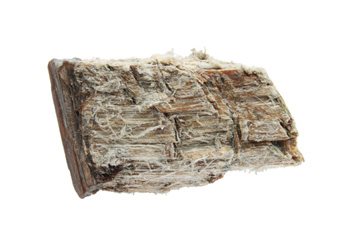
Asbestos Facts To Know
📅 2026 Update: Recent Changes in Asbestos Law and Safety
Since the original article was published, there have been important updates regarding asbestos laws, testing, and safety regulations in the U.S. These changes aim to reduce the risks associated with asbestos exposure. The earlier article continues further down the page, providing a foundation of essential information about asbestos and related matters.
🏛️ New EPA Chrysotile Asbestos Ban
On March 28, 2024, the U.S. Environmental Protection Agency (EPA) finalized a rule that prohibits the manufacture, processing, distribution, and commercial use of chrysotile asbestos. This is the only type of asbestos still imported into the U.S.
The ban officially took effect on May 28, 2024, marking a critical step in reducing asbestos exposure risks.
🧪 Asbestos Testing Costs and Process
As of 2026, the costs for asbestos testing in the U.S. vary by sample type and testing method. Laboratory analysis can range from $25 to $120 per sample, and professional sample collection fees can be between $75 and $350. The testing process includes an initial inspection, sample collection, laboratory analysis, and reporting.
Licensed professionals should handle sample collection to ensure safety and accuracy.
⏳ Turnaround Times for Testing
Standard laboratory analysis for asbestos testing typically takes 3 to 4 days. For those needing quicker results, expedited options are available, often providing results within 24 hours for an additional fee. This is crucial for homeowners and building managers who need timely information to address potential asbestos issues.
🏫 Asbestos Management in Schools
Under the Asbestos Hazard Emergency Response Act (AHERA), schools must manage asbestos-containing materials properly. These materials must remain in an undamaged and non-friable condition to prevent exposure. Inspections and management plans are required to ensure safety and compliance with regulations.
📈 Ongoing Legal Developments
On June 1, 2026, the U.S. Court of Appeals for the Fifth Circuit heard arguments regarding the EPA's chrysotile asbestos ban. The decision is pending, and its outcome may further shape the legal landscape surrounding asbestos and its health risks.
📌 Key Points to Remember
- 🏛️ The EPA banned chrysotile asbestos on May 28, 2024.
- 🧪 Asbestos testing costs vary from $25 to $120 per sample.
- ⏳ Standard testing takes 3 to 4 days, with expedited results available.
- 🏫 Schools must manage asbestos under AHERA regulations.
- 📈 The legal status of asbestos regulations is still evolving.
💡 Tips for Handling Asbestos Concerns
Review the details of your situation with your attorney to ensure you understand your rights and options.
🏠 Hire a Licensed Professional
When testing for asbestos, it's important to hire a licensed professional. This ensures that samples are collected safely and accurately, meeting all regulatory requirements.
⚠️ Understand Asbestos Risks
Asbestos poses serious health risks, including lung cancer and mesothelioma. Awareness of these dangers can help homeowners and building managers take necessary precautions.
🔍 Know Your State Laws
State regulations regarding asbestos can vary. It's crucial to familiarize yourself with local laws, as some states may have stricter standards than federal regulations.
🧑🏫 Follow School Protocols
If you manage or work in a school, ensure compliance with AHERA. This includes regular inspections for asbestos-containing materials and maintaining safe management practices.
📄 Document Everything
Keep thorough records of any asbestos testing or remediation efforts. Documentation can be vital for legal claims or compensation processes related to asbestos exposure.
📅 Stay Informed on Legal Changes
Keep up with any updates regarding asbestos laws, especially those related to the EPA's chrysotile asbestos ban. Legal developments can impact your rights and options.
🏆 Free Options Ranked by User Reviews (2026)
No national paid service met the review threshold for this area, so this section focuses on free government and nonprofit resources available for asbestos-related concerns.
🥇 1. EPA Resources
The EPA offers a wealth of information on asbestos, including health risks and regulations. While they do not provide direct testing services, their resources can help you understand safe management practices and the steps to take if you suspect asbestos in your home or building.
🥈 2. Asbestos Hazard Emergency Response Act (AHERA)
Under AHERA, schools are required to inspect for asbestos-containing materials. They must also develop management plans to ensure these materials remain in an undamaged and non-friable condition, protecting students and staff from exposure.
🥉 3. Mine Safety and Health Administration (MSHA)
The MSHA sets permissible exposure limits (PELs) for asbestos in mining environments. Their guidelines help ensure worker safety and outline necessary monitoring and protective measures for those exposed to asbestos.
4️⃣ State Health Departments
Many state health departments provide resources about asbestos-related risks and regulations. They may also offer information on local testing services or support for individuals concerned about asbestos exposure.
5️⃣ Local Nonprofits
Local nonprofits often provide support and resources for individuals affected by asbestos exposure. They may offer guidance on legal options, health resources, and community support for those dealing with asbestos-related illnesses.
🔎 What to Check Before Paying for Help
- 🔍 Verify the credentials of any professional you consider hiring.
- 📄 Ensure they follow local and federal regulations.
- 🏢 Look for reviews or testimonials from previous clients.
- ⚖️ Confirm their experience specifically with asbestos-related issues.
- 💬 Ask about the details of their testing and remediation processes.
❓ Frequently Asked Questions
❓ What is chrysotile asbestos?
Chrysotile asbestos is the only type of asbestos still imported into the U.S. It has been banned by the EPA since May 28, 2024, due to its health risks.
🏢 How can I ensure my workplace is safe from asbestos?
Employers must adhere to OSHA standards for asbestos exposure, which include permissible exposure limits and protective measures. Regular training and monitoring are also required.
📋 What should I do if I find asbestos in my home?
If you suspect asbestos in your home, do not disturb it. Hire a licensed professional to conduct testing and recommend the best course of action for safe management or removal.
🏫 Are schools required to manage asbestos?
Yes, under AHERA, schools must inspect for asbestos-containing materials and develop management plans to keep these materials safe and intact.
⚖️ Can I receive compensation for asbestos exposure?
Individuals diagnosed with mesothelioma or other asbestos-related diseases may be eligible for compensation through asbestos trust funds or legal claims against responsible parties.
🕒 How long does asbestos testing take?
Standard laboratory analysis usually takes 3 to 4 days, but expedited results can often be obtained within 24 hours for an additional fee.
⚖️ Recent Court Cases Related to Asbestos
Recent court rulings are shaping the legal landscape of asbestos laws and regulations. These decisions can impact compensation options for those affected by asbestos exposure and the enforcement of safety regulations.
- Texas court continues abatement in landfill dispute caseTexas Court of Appeals, 3rd District (Austin) · August 28, 2026
- Texas Court Rules on Radiation Exposure Malpractice CaseTexas Court of Appeals, 15th District · August 25, 2026
- Court Denies Centerline Logistics' Request to Halt OSHA CaseDistrict Court, District of Columbia · August 18, 2026
- Texas court dismisses appeal over nuisance abatement orderTexas Court of Appeals, 4th District (San Antonio) · August 5, 2026
For more recent rulings, feel free to browse more rulings on the news page.
End of October 2026 Update
Asbestos is a set of six silicate minerals which are used commercially for their physical properties. Asbestos contains thin fibrous crystals that, when inhaled, can cause serious illness to the lungs in the form of malignant lung cancer or mesothelioma, which precipitates a complete breakdown of the respiratory system. Long term exposure to asbestos in high concentrations can spark such health problems.
As a result of the inherent dangers associated with the mineral, the European Union has banned all use of asbestos. In the United States, however, asbestos-based materials are still found in older buildings or structures. To prevent the development of mesothelioma or cancerous diseases associated with the inhalation of asbestos, numerous laws and regulations have been enacted in regards to the construction procedures of asbestos.
Types of Asbestos
As defined by the United States Environmental Protection Agency, there are six minerals which are defined as “asbestos”-based materials. All forms of asbestos belong to the serpentine class chrysotile, which belongs to the amphibole class amosite, corcidolite, tremolite, actinolite, and anthophyllitye. The distinctions between serpentine and amphibole-based asbestos are found in their chemical compositions and their degree of potency when inhaled by human beings.
Asbestos Usage
Asbestos-based materials or products have long been used in the construction of both commercial and private structures. During the Industrial Revolution, the development of commercial asbestos became prevalent for its relatively cheap cost. Asbestos products or materials were used in a number of structures and for a number of reasons including: fire retardant coatings, pipes and fireplace cement, heat, acid resistant gaskets, pipe insulation, ceiling insulation, fireproof drywall, lawn furniture, dry wall, and other forms of insulation.
The multitude of uses stems from the mineral’s inherent characteristics.
Asbestos is effective at insulating materials and covering other materials to provide protection from fire or excessive heat. Asbestos products contain special qualities that aid in insulation, fire protection, and strengthening other materials.
Health Problems Related with Asbestos Use
Medical research has revealed that chronic or excessive exposure to inhaled asbestos flakes can be hazardous to an individual’s health. The risks associated with asbestos are generally related to constant exposure during the handling of asbestos fibers in construction or work environments. When inhaled, the asbestos fibers stick to the outer linings of the lungs. The fibers then attack the mucus walls and the trachea. The fibers, in essence, stick to the individuals lungs and infiltrate the respiratory system’s natural process. Over time, these crystalized agents manipulate and alter the cell’s structure. When altered, the cells can become cancerous and spread throughout the body.
Asbestos Today
As a result of the deaths and hazards associated with the inhalation of asbestos, many states have instituted laws which ban or regulate the use of asbestos in commercial or private structures. Although asbestos is still used today, all materials that contain the minerals are enclosed in a protective casing. This casing will prevent the asbestos flakes from chipping away and subsequently travelling into open spaces. To further regulate asbestos use, whenever a building is renovated or demolished, an asbestos survey must be conducted to reveal any materials that contain the mineral. If the survey reveals traces of asbestos, an abatement procedure will be administered to remove all forms of the hazardous material.