New York Asbestos Abatement Procedure
📅 2026 Update: Changes in Asbestos Abatement Procedures
Since the original article was published, there have been updates regarding asbestos abatement procedures across the United States. While the basic framework remains, details about state regulations and resources have evolved. The earlier article continues further down the page, providing foundational information on asbestos handling.
🏛️ Federal Regulations
The Environmental Protection Agency (EPA) oversees asbestos abatement under the National Emission Standards for Hazardous Air Pollutants (NESHAP). These federal regulations still require certified professionals for the removal of asbestos-containing materials before any demolition or renovation. The guidelines are detailed in the Code of Federal Regulations, Title 40, Part 61, and remain crucial for compliance.
🗺️ State Regulations
Each state has its own specific regulations regarding asbestos abatement. For example, New York's Department of Environmental Conservation continues to offer detailed procedures for asbestos handling. It is important to check with local environmental or health departments for the most current regulations, as they can change.
💰 Cost Variability
The cost of asbestos abatement remains variable and depends on many factors, including the amount of material and location. Homeowners can expect to pay between $1,500 and $3,000 for smaller projects. Larger projects can exceed these averages significantly.
It is wise to obtain multiple quotes from certified contractors to ensure fair pricing.
⏳ Processing Times
Asbestos abatement timelines can still differ based on project size and complexity. Smaller residential projects may take a few days, while larger commercial projects can last several weeks. Permit acquisition and inspection scheduling can also impact how quickly the work can start and finish.
📅 Eligibility and Deadlines
Eligibility for financial assistance programs related to asbestos abatement can vary widely by state. Some states still offer grants or low-interest loans, especially for low-income homeowners. Checking with local health departments or environmental agencies is essential for understanding available programs and deadlines.
📌 Key Points Summary
- 🏛️ Federal regulations require certified professionals for asbestos removal.
- 🗺️ State regulations vary; consult local authorities for updates.
- 💰 Costs for abatement projects can range widely, with smaller jobs averaging $1,500 to $3,000.
- ⏳ Smaller projects may take days, while larger ones can take weeks.
- 📅 Financial assistance options differ by state; check local resources.
💡 Tips for Asbestos Abatement
Review the details of your situation with your attorney to understand your rights and options regarding asbestos.
🛠️ Hire Certified Professionals
Always hire certified asbestos abatement contractors to ensure compliance with federal and state regulations. This helps protect both you and the workers during the removal process.
🔍 Inspect Before Abatement
Before any abatement work, conduct a thorough inspection to identify asbestos-containing materials. Knowing what materials are present will guide the planning process and ensure safety measures are in place.
📋 Develop a Risk Assessment
Conduct a risk assessment to understand the potential for asbestos exposure. This evaluation will help in determining the best course of action and strategies to mitigate risks.
📅 Plan for Permits
Be aware that obtaining necessary permits can take time. Start the permit process early to avoid delays that may impact your abatement schedule.
💵 Explore Financial Assistance
Look into state-specific programs that may offer financial assistance for asbestos abatement. These resources can provide support, especially for low-income households.
🚧 Follow Safety Guidelines
Always adhere to safety guidelines during the abatement process. This includes the proper disposal of asbestos waste and following all federal and state regulations to prevent exposure and contamination.
🏆 Asbestos Services Ranked by User Reviews (2026)
This section highlights services related to asbestos testing and abatement, emphasizing their relevance to the article's topic. The order follows Trustpilot ratings as of October 2026. Ratings are only one aspect of user feedback; unhappy customers often leave more reviews, which can skew perception.
🥇 1. Asbestos Sampling
Asbestos Sampling has a Trustpilot score of 4.6. It is known for offering asbestos testing kits and laboratory analysis services. Reviewers appreciate the quality of the testing but note that some customers experienced issues with customer service responsiveness.
🆓 Free Government or Nonprofit Help
While direct financial assistance for asbestos abatement is limited, some nonprofit organizations and government agencies offer resources and guidance. The EPA provides educational materials, and local health departments can assist with information on safe practices and regulations.
🔎 Choosing Asbestos Services
- 💡 Compare Trustpilot scores and reviews.
- 🛠️ Check the range of services offered.
- 🗓️ Look for processing times and scheduling flexibility.
- 💰 Evaluate pricing and available quotes.
- 📑 Ensure the service adheres to safety regulations.
❓ Frequently Asked Questions
❔ What is asbestos abatement?
Asbestos abatement is the process of removing or containing asbestos-containing materials to prevent exposure. It involves inspection, risk assessment, planning, and safe removal by certified professionals.
🛡️ Who is responsible for asbestos removal?
Property owners are typically responsible for ensuring that asbestos is removed safely. They must hire certified professionals to comply with federal and state regulations.
📜 How can I find certified abatement contractors?
You can find certified asbestos abatement contractors through your state’s environmental or health department. They can provide lists of licensed professionals in your area.
⚠️ What happens if asbestos is disturbed?
If asbestos is disturbed, it can release harmful fibers into the air, posing serious health risks. Immediate action should be taken to contain the area and hire certified professionals for safe removal.
🌍 Are there any national resources for asbestos information?
Yes, the EPA offers resources and educational materials regarding asbestos. Local health departments also provide information on regulations and safety practices.
🔍 How often should asbestos inspections be conducted?
Asbestos inspections should be conducted whenever renovation or demolition is planned. Regular evaluations may also be necessary for buildings known to contain asbestos to assess any changes in condition.
⚖️ Recent Cases Related to Asbestos
Recent court rulings have addressed various aspects of asbestos exposure and liability, directly linking to issues in asbestos abatement and health risks.
- Court Denies Centerline Logistics' Request to Halt OSHA CaseDistrict Court, District of Columbia · August 18, 2026
- Texas court dismisses appeal over nuisance abatement orderTexas Court of Appeals, 4th District (San Antonio) · August 5, 2026
- Court rules against government in OSHA penalty collection caseCourt of Appeals for the Eighth Circuit · July 1, 2026
- Court affirms dismissal of toxic exposure claims against LockheedCourt of Appeals for the Eleventh Circuit · July 28, 2026
You can browse more rulings on the news page to stay updated on recent cases and legal developments related to asbestos.
End of October 2026 Update
The New York Department of Labor and Department of Health handles asbestos control and New York asbestos abatement procedure. The important functions of New York asbestos abatement procedure involve notifying the appropriate authorities about demolition and renovation procedures, certifying contractors to perform asbestos abatement and ensuring the safety of those that work with asbestos abatement. Most mandates related to asbestos are set by the federal government and New York asbestos abatement procedure reflects these mandates
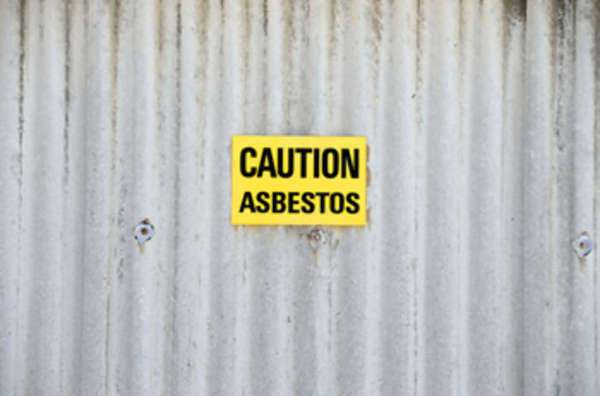
Areas needing abatement
Most shipyard and military instillations have undergone asbestos abatement after the danger to workers there became apparent. There is the risk that many schools and workplaces still have levels of asbestos that may cause health issues for those that work there.
Most homes built before 1980 will have some asbestos construction materials used in the design. Whether or not this material should be abated depends on the nature of the asbestos fibers. If the fibers are safely locked in an indurate material, then this is non-friable asbestos and will not need removal unless it will be directly affected by renovation. Exposed material, such as pipe insulation, plaster and wool fiber insulation is much more dangerous as it can be broken with minimal human contact and will release fibers if disturbed. This is material that should be abated immediately.
Even non-friable material must be removed if a structure is to be demolished. Any non-friable material, such as concrete, can potentially crumble, releasing more particles and turning friable. Concrete roofing tiles and siding are two examples of material that will be removed before a demolition.
Proper removal of asbestos containing materials
All friable materials should be removed and this will be done typically by wetting the material until it is waterlogged. Doing so traps the fibers and prevents the unnecessary release of more particles. This is used in conjunction with a power vacuum designed to trap micro particles. The wet friable material is then removed and sealed accordingly. Some non-friable materials must be removed if the building will be demolished. The Occupation Health and Safety Administration will set safety and abatement requirements to ensure safe asbestos abatement. This will be incorporated into the New York asbestos abatement procedure.
Notification requirements
You must notify the New York Department of Labor for any asbestos abatement project that exceeds the maximum threshold of RACMs in a structure. There is an online notification that contractors and owners can use to follow New York asbestos abatement procedure. Notifications must be made working ten days in advance of start of the project.
What is the function of the Asbestos Control Bureau?
The ACB is a division of the Department of Labor that deals with the licensing and certification of asbestos contractors. You may find a list of these contactors at the department website. You will also find a list of active asbestos abatement projects in your area.