North Dakota Asbestos Laws
📅 2026 Update: Recent Changes in Asbestos Regulations
Since the original article on North Dakota asbestos laws was written, there have been significant updates regarding the regulations on asbestos, especially chrysotile asbestos. The U.S. Environmental Protection Agency (EPA) has enacted new rules aimed at reducing exposure risks.
The details of these changes are essential for understanding the current legal landscape surrounding asbestos.
The changes include strict bans on the use of chrysotile asbestos in various products. These updates are crucial for individuals and businesses in North Dakota dealing with asbestos exposure, health risks, and compliance with state and federal laws.
🚨 New EPA Regulations on Chrysotile Asbestos
On May 28, 2024, the EPA's ban on chrysotile asbestos took effect. This rule prohibits its manufacture, import, and use in various products. The ban marks a significant step in minimizing health risks related to asbestos exposure.
📉 Expanded Product Prohibitions
The EPA expanded the restrictions further on November 25, 2024. This included prohibiting chrysotile asbestos in specific products like oilfield brake blocks and automotive brakes. These measures aim to protect workers and consumers from harmful asbestos exposure.
🗓️ Upcoming Regulations
On May 27, 2026, the EPA planned additional prohibitions on the use of chrysotile asbestos in sheet gaskets for chemical production. This move shows a continued commitment to addressing asbestos-related health issues.
♻️ Asbestos Waste Disposal Requirements
Starting November 25, 2024, individuals and entities disposing of chrysotile asbestos must follow specific guidelines. This includes adhering to the Asbestos General Industry Standard and federal disposal requirements to ensure safe handling of hazardous materials.
📌 Key Takeaways
- 🚫 The EPA banned chrysotile asbestos on May 28, 2024.
- 📦 Additional product prohibitions began on November 25, 2024.
- 📅 Further restrictions on sheet gaskets will take effect on May 27, 2026.
- ♻️ Strict disposal requirements apply to asbestos waste starting November 2024.
💡 Tips for Managing Asbestos Issues
Review your situation with an attorney to understand your specific needs and legal options.
🏢 Understand State Regulations
North Dakota has its own laws regarding asbestos, which may differ from federal regulations. It's important to be aware of any additional state-specific guidelines that apply to your situation.
🛠️ Know Your Rights
If you believe you have been exposed to asbestos, understand your rights. You may have options for filing claims or seeking compensation related to asbestos-related health issues.
🔍 Stay Informed on EPA Guidelines
The EPA regularly updates its regulations about asbestos. Staying informed can help ensure compliance and protect your health and safety.
🛑 Report Asbestos Exposure
If you encounter asbestos in your workplace, report it to your employer immediately. They have a legal obligation to address exposure risks and ensure a safe working environment.
📄 Utilize Available Resources
Various organizations provide information and support regarding asbestos exposure. Look for resources from government agencies and nonprofits to better understand your situation.
❓ Frequently Asked Questions
❓ What is chrysotile asbestos?
Chrysotile asbestos is a type of asbestos known for its heat-resistant properties. It has been widely used in construction materials, but it poses significant health risks, including lung diseases.
🚧 How can I report asbestos exposure?
You can report asbestos exposure to your employer or relevant local health authorities. They are required to investigate any reports of exposure and implement safety measures.
🏥 What health risks are associated with asbestos exposure?
Asbestos exposure can lead to serious health issues, including lung cancer and mesothelioma. It is crucial to monitor any symptoms and seek medical advice if exposure occurs.
📅 Are there deadlines for filing asbestos claims?
Yes, there are often deadlines, known as statutes of limitations, for filing asbestos claims. These vary by state and situation, so it's important to understand the timelines relevant to your case.
⚖️ How do asbestos trust funds work?
Asbestos trust funds are established to compensate individuals exposed to asbestos. Claims can be filed against these funds to seek compensation for health issues related to asbestos exposure.
🏛️ What should I do if I find asbestos in my home?
If you discover asbestos in your home, do not attempt to remove it yourself. Contact a licensed professional for assessment and safe removal to prevent exposure.
⚖️ Recent Court Cases on Asbestos
Recent court rulings highlight ongoing legal issues surrounding asbestos regulations and exposure claims. These cases reflect the evolving landscape of asbestos laws and their impact on public health and safety.
- Hawaii Supreme Court Rules on Toxic Tort Case AppealsHawaii Supreme Court · September 21, 2026
- Court affirms remand of asbestos case against General ElectricCourt of Appeals for the Sixth Circuit · September 9, 2026
- Texas court continues abatement in landfill dispute caseTexas Court of Appeals, 3rd District (Austin) · August 28, 2026
- Texas Court Rules on Radiation Exposure Malpractice CaseTexas Court of Appeals, 15th District · August 25, 2026
For more recent rulings, check the more rulings on the news page.
End of October 2026 Update
North Dakota has some of the lowest rates of asbestos contamination in the nation due to its sparse population and relative lack of industry. There is some risk from asbestos-like materials used to pave roadways and small scale manufacturing of insulation using contaminated vermiculite ore from the now closed Libby mine in neighboring Montana. Federal government mandates are applied to North Dakota asbestos laws and will reflect proper asbestos abatement, worker safety and licensing of professionals to remove asbestos. The state will also regulate when asbestos containing materials will be disposed and stored.
Asbestos in the home
Asbestos was used in a number of forms for homes built before 1980, with some applications now posing an immediate danger and others remaining somewhat harmless. The most harmful applications are the ones that will become friable. This includes plaster, popcorn ceilings, joint compound, drywall and floss insulation. All of these materials can break apart with minimal force, generally, human contact is sufficient. Friable asbestos is dangerous as fibrous asbestos can potentially break down into much smaller fibers and these fibers will be smaller than can be detected by the human eye. These particles lodge in the lungs and eventually pose a risk factor for asbestos related illness.
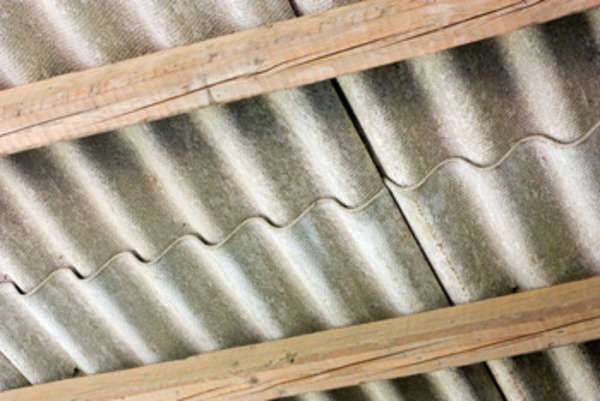
Not all asbestos in the home is friable and dangerous. Flooring, siding and roofing may all contain asbestos that is sealed in a hard, indurate material. Fibers cannot penetrate this. As long as this material remains intact, it poses no threat. In case of demolition, this material should be removed if it will crumble, as per North Dakota asbestos laws.
North Dakota asbestos law enforcement
The North Dakota Department or Health, Asbestos Control Program, handles the licensing of asbestos professionals and the collection of permits. This department will also provide education on a number of asbestos related topics and helpful links for homeowners and others that are unclear of North Dakota asbestos laws, particularly laws pertaining to individual asbestos abatement in the home. Single family homes are generally not subject to the stringent requirements placed on other structures.
All other structures are required to provide ten days advance notification of any procedure involving demolition or renovation. This notification form will include sections to account for the amount and type of asbestos in the building, as well as contact information for the asbestos contractor, method of removal and disposal site for the ACMs.
You will need to notify the NHD is the structure contains 160 square feet of asbestos-containing surfacing material or more than 260 linear feet of asbestos-containing thermal system insulation.
Asbestos litigation
You may file for asbestos litigation in North Dakota if you have developed an asbestos related illness. This will help you recover damages to compensate for medical expenses, lost wages and other costs associated with the illness. Generally, you need to have an illness or proof of exposure and cannot file suit based on probable exposure. This will depend on the standards used to evaluate the plaintiff claims in the case.