Missouri Asbestos Abatement Procedure
📅 2026 Update: Changes in Asbestos Abatement Procedures
Since the original article was published, there have been important updates regarding asbestos abatement procedures in the U.S. While the core regulations remain similar, states are continuing to refine their rules and processes. The information provided below highlights these changes and offers insight into current practices for handling asbestos.
🏗️ Federal Regulations
The Environmental Protection Agency (EPA) still oversees asbestos abatement under the National Emission Standards for Hazardous Air Pollutants (NESHAP). These regulations ensure that asbestos is removed by certified professionals before any demolition or renovation. The guidelines remain outlined in the Code of Federal Regulations (CFR), Title 40, Part 61.
🏢 State Regulations
Each state continues to have unique regulations for asbestos abatement. For instance, California's Department of Industrial Relations and New York's Department of Environmental Conservation still provide specific guidelines. It's crucial to check with state environmental or health departments for the latest updates, as these can change frequently.
💰 Cost Changes
Asbestos abatement costs have remained consistent but can vary based on several factors. Homeowners might still expect to pay between $1,500 and $3,000 for smaller projects, while larger jobs can be more expensive. It's wise to obtain multiple quotes from certified contractors to ensure a fair price.
⏳ Processing Times
The time it takes to complete asbestos abatement projects can still vary. Smaller residential projects may take just a few days, while larger commercial projects might extend over several weeks. The time required to secure permits and schedule inspections can also affect overall timelines.
📅 Eligibility for Assistance
Eligibility for financial help for asbestos abatement still varies by state. Some states offer grants or low-interest loans, especially for homeowners in financial need. Checking with local health departments or environmental agencies remains essential to find available programs and deadlines.
📌 Key Points
- EPA regulates asbestos abatement processes.
- Each state has its own specific regulations.
- Costs for abatement range from $1,500 to $3,000 for smaller projects.
- Processing times can vary significantly based on project size.
- Financial assistance options depend on state-specific eligibility criteria.
💡 Tips for Asbestos Abatement
Review the details of your situation with your attorney.
📜 Understand Federal Regulations
Familiarize yourself with NESHAP guidelines, as they set the standard for asbestos abatement in the U.S. Knowing these rules will help you understand what to expect during the abatement process.
🏛️ Check State Guidelines
Each state has unique regulations for asbestos abatement. Always consult your state's environmental or health department for the most current rules and procedures, ensuring that you are compliant with local laws.
🔍 Get Multiple Quotes
When considering asbestos abatement, it is wise to obtain multiple quotes from certified professionals. This practice can help you understand the market rate and avoid overpaying for services.
⏳ Plan for Time
Be prepared for the project to take time, particularly if it is large in scale. Smaller residential projects might be quicker, but ensure you account for the time needed to secure permits and inspections.
🏠 Seek Financial Assistance
Investigate available state programs for financial help with asbestos abatement. Some states may offer grants or loans specifically aimed at assisting low-income homeowners with these necessary projects.
📞 Utilize Free Resources
Local health departments and nonprofit organizations can provide guidance and referrals for certified professionals. Use these resources to educate yourself about safe practices and the regulations surrounding asbestos removal.
🏆 Asbestos Abatement Services Ranked by User Reviews (2026)
This section lists services related to asbestos testing and abatement, highlighting their user ratings and areas of expertise. These rankings are based on Trustpilot data as of October 2026. Keep in mind that scores may change over time, and star ratings are just one indicator of service quality, as unhappy customers often leave more reviews.
🥇 1. Asbestos Sampling
Asbestos Sampling has been rated 4.6 on Trustpilot. The service is known for its asbestos testing kits and laboratory analysis. However, some customers have reported issues with customer service responsiveness, which is something to consider when using their services.
🆓 Free Government Assistance
While direct financial assistance for asbestos abatement is limited, some nonprofit organizations and government agencies offer resources and guidance. The EPA provides educational materials, and local health departments can help with information on safe practices and regulations.
🔎 Considerations for Choosing Asbestos Services
- 🧑🔬 Check for certification of professionals.
- 🏷️ Compare cost estimates from multiple providers.
- ⏳ Review processing times for projects.
- 📄 Look for customer reviews and ratings.
- 📞 Evaluate customer service responsiveness.
❓ Frequently Asked Questions
🤔 What is asbestos abatement?
Asbestos abatement is the process of removing or containing asbestos-containing materials in buildings to prevent exposure and health risks.
🏛️ Who regulates asbestos abatement?
Asbestos abatement is regulated at the federal level by the EPA under the National Emission Standards for Hazardous Air Pollutants (NESHAP), along with state-specific regulations.
💸 How much does asbestos abatement cost?
Costs can vary, but homeowners typically pay between $1,500 and $3,000 for smaller projects. Larger projects can cost significantly more, depending on the amount of asbestos and the complexity of the removal.
⏳ How long does the abatement process take?
Processing times for asbestos abatement depend on the project's scale. Smaller projects can take a few days, while larger ones may extend over weeks, factoring in permit acquisition and inspections.
🏠 Are there financial assistance programs available?
Yes, some states offer grants or low-interest loans for asbestos abatement. It's important to check with local health departments or environmental agencies to find available programs.
📞 Can I get help with asbestos issues?
Local health departments and nonprofit organizations provide resources and guidance for asbestos abatement. They can also refer you to certified professionals to ensure safety and compliance.
⚖️ Recent Court Cases Related to Asbestos
Recent court rulings continue to shape the landscape of asbestos regulations and health claims. These rulings often address liability issues and the responsibility of companies in asbestos-related cases.
- Court rules teacher entitled to sick leave after COVID-19 exposureNew Jersey Superior Court Appellate Division · April 6, 2023
- Texas Court of Appeals extends abatement in Hughes caseTexas Court of Appeals, 3rd District (Austin) · May 26, 2026
- Illinois Court Upholds Jurisdiction in Asbestos Case Against Japan BrakeAppellate Court of Illinois · September 8, 2026
- Hawaii Supreme Court Rules on Toxic Tort Case CausationHawaii Supreme Court · September 21, 2026
For more information, feel free to browse more rulings on the news page.
End of October 2026 Update
Most states delegate the responsibility of enforcing federal mandates on asbestos abatement to a state agency. For the state of Missouri, this state entity is the Missouri Department of Natural Resources. Missouri asbestos abatement procedure focuses on minimizing risks to abatement workers and the environment. In addition, specific guidelines for removal and disposal must be followed to prevent additional, accidental exposure.
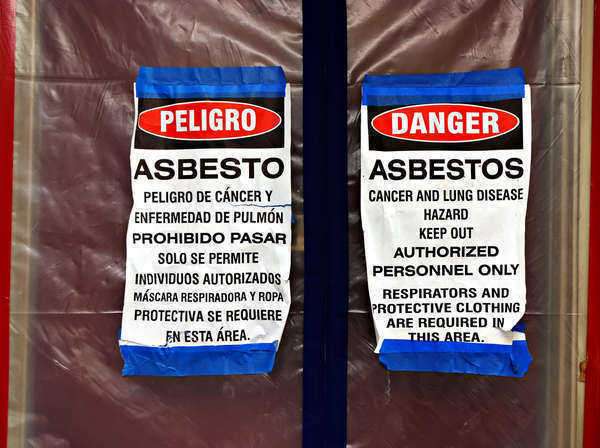
Sources of asbestos contamination
Aside from industrial and construction applications that have led to the sickening of thousands of workers, most homes built before 1980 will have some form of asbestos present. This includes insulation fiber, some paints, plaster and pipes. Some applications are not immediately threatening to the health of occupants, such as ceiling tiles and shingles. For these applications, the asbestos is contained with a sealed, indurate material, such as cement. This application is non-friable, meaning that there is no potential for asbestos fibers to be released and sicken building occupants.
Many occupations will also have some danger of working with asbestos materials. Each of these occupations will have specific guidelines for working with asbestos containing materials. This includes asbestos abatement, which has standards for worker licensing, auto mechanics that may encounter asbestos brakes, and workers in public buildings, such as schools, as asbestos materials were prevalent during construction.
Notification requirements
Any project that will involve greater than 160 square feet, 260 linear feet, or 35 cubic feet of friable asbestos requires a ten working days notification to the DNR. You must also use a licensed contractor that is certified to handle asbestos if this situation is applicable to your structure. Residential buildings under four units are exempt from this regulation, but should have an inspector test and identify possible sources of contamination prior to renovation. Doing so minimizes the risks to your health when you attempt to remove the asbestos.
Wetting friable asbestos
A critical part of Missouri asbestos abatement procedure is wetting friable materials. Doing so ensures that fibers to not escape and potentially sicken those close to the exposure. When waterlogged, friable materials do not become airborne readily and instead remain mostly intact. When combined with a powerful micro filter, you can effectively make the level of asbestos present in the environment negligible.
You will also have the option to encapsulate friable asbestos. This effectively seals the asbestos, preventing further leeching. This has its drawback as it cannot be used on every surface and if the sealant is breeched, you risk contamination.
Who may remove asbestos in Missouri?
The state of Missouri will license and train professionals in asbestos abatement procedure and other applicable safety precautions. This is typically to the standards and the Occupation Health and Safety Administration. Although there are no statutory requirements for sealing and labeling asbestos containing materials, these professionals will be able to deal with the material appropriately, with minimal risk and proper disposal at an authorized site. Individual sites may have different requirements for labeling hazardous materials. To find an asbestos professional, consult the list of trained professionals available at the DNR website.