Delaware Asbestos Laws
📅 2026 Update: Recent Developments in Delaware Asbestos Laws
Since the original article was published, several important changes have taken place in asbestos regulations. The U.S. Environmental Protection Agency (EPA) has enacted new rules that significantly affect the use and disposal of chrysotile asbestos.
These updates aim to reduce exposure risks and enhance public health protections. The earlier article continues further down the page.
🚫 New Chrysotile Asbestos Ban
On May 28, 2024, the EPA's ban on chrysotile asbestos went into effect. This rule prohibits the manufacture, import, and use of this type of asbestos in various products. The ban marks a critical move towards minimizing asbestos exposure.
🗓️ Expanded Product Prohibitions
On November 25, 2024, the EPA added more products to the list of those banned from containing chrysotile asbestos. This includes items like oilfield brake blocks and automotive brakes. Such measures aim to protect workers and the public from the dangers associated with asbestos.
♻️ Updated Disposal Requirements
After November 25, 2024, disposal of chrysotile asbestos and related products must follow strict guidelines. This includes adhering to the Asbestos General Industry Standard and specific disposal requirements outlined in federal regulations. Proper disposal is crucial to avoid environmental contamination.
⚖️ Legal Challenges and Pending Actions
In August 2025, the Fifth Circuit Court of Appeals paused legal challenges against the EPA's chrysotile asbestos ban for review. As of April 2026, a lawsuit filed by the Asbestos Disease Awareness Organization is pending, seeking action on the EPA's missed deadlines. These legal developments may influence future regulations.
📌 Key Points Summary
- 🚫 Chrysotile asbestos ban effective May 28, 2024.
- 🗓️ Additional prohibitions on specific products started November 25, 2024.
- ♻️ New disposal requirements for asbestos materials post-November 2024.
- ⚖️ Legal challenges to the EPA's ban are ongoing.
- 🏛️ Consult EPA resources for guidance on asbestos laws and safety.
💡 Tips for Understanding Asbestos Regulations
Review the details of your own situation with your attorney.
📋 Know the Regulations
Familiarize yourself with federal and state asbestos regulations. Both levels may have different requirements, impacting your situation. Understanding these laws can help in compliance and safety planning.
🏭 Understand Workplace Safety Rules
If you work in an environment where asbestos is present, know the safety protocols. This includes proper handling and disposal methods to prevent exposure. Employers should provide training on these practices.
🔍 Report Exposure
If you believe you've been exposed to asbestos, report it to your employer. Keeping records of exposure can be vital for future claims or health assessments. Monitoring your health regularly is also important.
♻️ Proper Disposal is Key
Ensure that any asbestos waste is disposed of according to EPA regulations. Improper disposal can lead to environmental hazards and legal penalties. Following guidelines not only protects you but also the community.
🏥 Seek Support if Affected
If you or a loved one has been diagnosed with an asbestos-related disease, support is available. Organizations like the Asbestos Disease Awareness Organization offer resources and assistance. They can guide you through the challenges of dealing with the disease.
❓ Frequently Asked Questions
❓ What is chrysotile asbestos?
Chrysotile asbestos is a type of asbestos often used in various products, including construction materials. It has been banned by the EPA due to its health risks.
⚠️ How can I report asbestos exposure?
To report asbestos exposure, inform your employer immediately. They are required to document the incident and take appropriate action to ensure safety.
🏛️ What are the federal regulations on asbestos disposal?
Federal regulations mandate that chrysotile asbestos must be disposed of according to the Asbestos General Industry Standard and specific waste disposal requirements. These rules help protect public health.
📉 Are there penalties for improper asbestos disposal?
Yes, violations of asbestos disposal regulations can lead to civil penalties. Following the guidelines is crucial to avoid legal repercussions.
📅 What is the timeline for the recent EPA rulemaking?
The EPA's current Unified Agenda projects a Notice of Proposed Rulemaking for asbestos-related regulations in February 2027, with a final rule expected in March 2028.
🏥 What support is available for asbestos-related diseases?
Organizations like the Asbestos Disease Awareness Organization offer support and resources for individuals diagnosed with asbestos-related diseases. They advocate for stronger protections and provide guidance.
⚖️ Recent Cases Related to Asbestos
Recent court rulings have addressed asbestos regulations and the responsibilities of manufacturers and employers regarding exposure. These cases connect directly to the ongoing issues surrounding asbestos laws and health risks.
- Fifth Circuit Rules OSHA Cannot Mandate Mental Illness RecordsCourt of Appeals for the Fifth Circuit · July 21, 2026
- South Carolina Court Rules on Asbestos Case ReceivershipSupreme Court of South Carolina · May 27, 2026
- Court rules teacher entitled to sick leave after COVID-19 exposureNew Jersey Superior Court Appellate Division · April 6, 2023
- Texas Court of Appeals extends abatement in Hughes caseTexas Court of Appeals, 3rd District (Austin) · May 26, 2026
For more recent rulings, browse our more rulings on the news page.
End of October 2026 Update
Delaware asbestos laws focus primarily on the removal and disposal of harmful asbestos materials and compliance with federal requirements on environmental and workplace exposure. The state of Delaware will certify all professionals that perform abatement work and supervise disposal efforts through the Solid Waste and Hazardous Waste Branch of the Department of Natural Resources & Environmental Control.
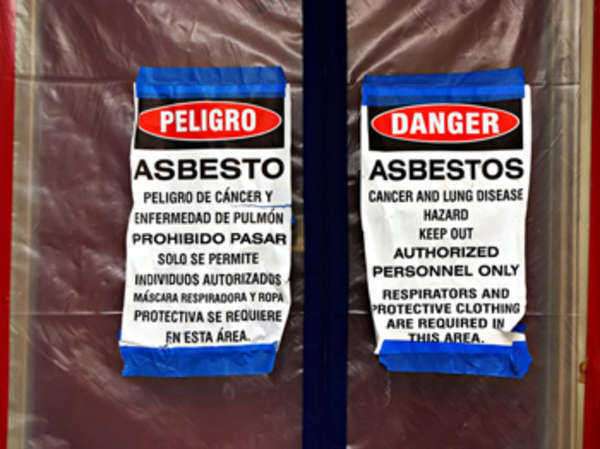
Notification requirements
For any substantial work to remove asbestos from a building, according to Delaware asbestos laws, you must give ten working days’ notice to the DNEC in case special precautions need to be taken or observed. This is applicable to any renovation where at least 160 square feet or 260 feet of asbestos containing material will be removed from a structure. Almost all abatement work will require the expert advice of an asbestos inspector licensed by the state. Even if there is no asbestos present, Delaware asbestos law states that all demolition projects must be inspected for asbestos and submitted for approval by the state before the demolition can proceed. This prevents accidental contamination. You do not need to notify the state if you are renovating and there is asbestos below the previously mentioned threshold.
Can I remove asbestos from my own home?
You may, but you will want an asbestos inspector to evaluate your home before you proceed. Often those removing asbestos on their own will cause accidental contamination by removing the asbestos improperly or releasing fibers accidentally. Only single family, owner occupied homes may asbestos be removed by the owner. Whenever this occurs, procedures for the safe disposal must be observed to avoid potential fines and other penalties. You will not need to remove asbestos if it is indurate and in no danger of releasing harmful fibers.
How to I dispose of asbestos containing materials, according to Delaware asbestos laws?
The Delaware laws on asbestos abatement follow federal mandates to prevent the dumping or exposure of asbestos materials on the environment. One must contact the Delaware Solid Waste Authority 24 hours in advance to make arrangements to transfer of deliver the asbestos containing material. The state authority also maintains a list of waste haulers that can carry the asbestos containing materials on your behalf.
Can I file for asbestos litigation in Delaware?
Most asbestos claims will be determined in settlement by working with the employer or entity responsible for the exposure. Still those that cannot reach a settlement and need to pursue a claim in court can do so without being hampered by restrictive laws on mesothelioma and other asbestos litigation. You must have an asbestos related illness and be able to demonstrate how the defendant is responsible for the injury. You will be able to find Delaware asbestos lawyers that are familiar with