Asbestos NESHAP Adequately Wet Guidance
📅 2026 Update: Recent Changes in Asbestos Regulations and Guidance
Since the original article was published, significant updates have occurred in asbestos regulation and management. The U.S. Environmental Protection Agency (EPA) finalized a crucial rule banning ongoing uses of chrysotile asbestos.
This change highlights a continued effort to protect public health from the dangers associated with asbestos exposure. The earlier article continues further down the page, providing additional context on asbestos NESHAP guidelines.
🏛️ EPA Bans Ongoing Uses of Asbestos
In 2024, the EPA enacted a rule that prohibits the manufacture, import, processing, and distribution of chrysotile asbestos. This is the only form of asbestos still imported into the U.S. The ban aims to reduce health risks associated with asbestos exposure and marks a significant step in ongoing efforts to eliminate asbestos from everyday products.
💰 Asbestos Trust Fund Compensation
As of August 2026, more than 60 active asbestos trust funds hold over $30 billion to compensate individuals diagnosed with asbestos-related diseases. The amounts of compensation can differ based on the specific trust and the individual’s circumstances. This fund is vital for those seeking financial support after a diagnosis.
📄 Filing an Asbestos Trust Fund Claim
To file a claim, individuals must complete a form from the specific trust fund. This form requires details about exposure history and a medical diagnosis. Following the guidelines can make the process smoother for those seeking compensation for asbestos-related illnesses.
⏰ Processing Times for Claims
The time it takes to process asbestos trust fund claims can vary widely. Some trusts aim for a few months, while others may take longer. Checking with the specific trust for their estimated processing times is essential for claimants.
📋 Eligibility for Trust Fund Claims
Individuals diagnosed with asbestos-related diseases, such as mesothelioma, asbestosis, or lung cancer, may be eligible to file a claim. Each trust has its own criteria for eligibility, often requiring proof of exposure to asbestos products manufactured by the company in question.
📌 Key Points Summary
- ⚖️ EPA banned ongoing uses of chrysotile asbestos.
- 💵 Trust funds now hold over $30 billion for compensation.
- 📝 Individuals must complete specific forms to file claims.
- ⏳ Processing times for claims can vary significantly.
- ✔️ Eligibility is based on diagnosis and proof of exposure.
💡 Tips for Navigating Asbestos Claims and Regulations
Review the details of your own situation with your attorney.
🏗️ Understand the EPA Regulations
Stay informed about the EPA's NESHAP regulations. These rules require specific practices to control asbestos fibers during renovation and demolition. Knowing these guidelines can help ensure compliance and safety.
🕰️ Keep Track of Deadlines
Each asbestos trust fund sets its own filing deadlines. Typically, these deadlines are about 2 to 3 years after a mesothelioma diagnosis. Filing claims promptly is crucial to maintain eligibility.
💬 Seek Support from Nonprofits
Organizations like the American Cancer Society and the American Lung Association offer free resources for individuals affected by asbestos-related diseases. Utilizing these resources can provide valuable assistance and information.
📖 Familiarize Yourself with Asbestos Health Risks
Understanding the health risks associated with asbestos exposure is key. Inhaling asbestos fibers can lead to serious conditions like mesothelioma and lung cancer. Being informed can help individuals take necessary precautions.
🏢 Know Your Rights as a Worker
Workers exposed to asbestos should be aware of their rights under OSHA standards. These standards aim to protect workers from exposure, including permissible limits and required protective equipment. Knowing these rights can help ensure a safer workplace.
❓ Frequently Asked Questions
❔ What are the health risks of asbestos exposure?
Inhaling asbestos fibers can lead to severe health problems, including asbestosis, lung cancer, and mesothelioma. Understanding these risks is essential for anyone who has been exposed.
🔍 How can I check my eligibility for an asbestos trust fund?
Eligibility for an asbestos trust fund typically requires a diagnosis of an asbestos-related disease and proof of exposure. Each fund has specific criteria that must be met.
🗓️ What are the consequences of missing a filing deadline?
Missing a filing deadline for an asbestos trust fund claim can result in losing the opportunity to receive compensation. It is crucial to be aware of the deadlines set by each specific trust.
💼 Can I file a claim without an attorney?
While it is possible to file a claim without an attorney, consulting one can help navigate the process more effectively. An attorney can provide guidance on eligibility and documentation requirements.
🏢 What workplace safety measures exist for asbestos?
OSHA has established standards to protect workers from asbestos exposure. These include permissible exposure limits and requirements for protective equipment to ensure safety.
📈 How have asbestos regulations changed in recent years?
Recent regulations, particularly the EPA's ban on chrysotile asbestos, reflect a growing commitment to public health and safety. These changes aim to minimize exposure risks and protect communities.
⚖️ Recent Cases Related to Asbestos
Recent court rulings continue to impact asbestos-related claims and regulations. They highlight the legal landscape concerning asbestos exposure and compensation.
- Fifth Circuit Rules OSHA Cannot Mandate Mental Illness RecordsCourt of Appeals for the Fifth Circuit · July 21, 2026
- South Carolina Court Rules on Asbestos Case ReceivershipSupreme Court of South Carolina · May 27, 2026
- Court rules teacher entitled to sick leave after COVID-19 exposureNew Jersey Superior Court Appellate Division · April 6, 2023
- Texas Court of Appeals extends abatement in Hughes caseTexas Court of Appeals, 3rd District (Austin) · May 26, 2026
For more details on the latest rulings, check out more rulings on the news page.
End of October 2026 Update
What is the Asbestos NESHAP Adequately Wet Guidance Clause?
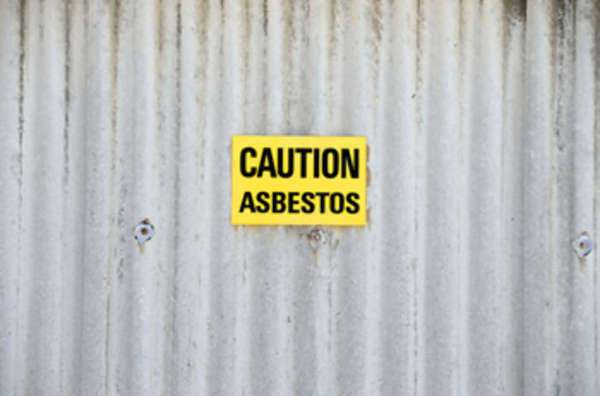
The Asbestos NESHAP Adequately Wet Guidance Clause is a document prepared under contract to agencies of the United States Government. The Asbestos NESHAP Adequately Wet Guidance Clause was written by Alliance Technologies, based on discussions with work groups of the Environmental Protection Agency. These groups consisted of Regional Asbestos NESHAP Coordinators and leaders of the Stationary Source Compliance Division as well key members of the Standards Development Branch.
The introduction of The Asbestos NESHAP Adequately Wet Guidance Clause states that the Clean Air Act of 1970 requires the United States Environmental Protection Agency to develop and subsequently enforce regulations to protect the public from exposure to airborne contaminants specifically known to cause cancers or other diseases to human beings. In accordance with the CAA, the Environmental Protection Agency established the National Emissions Standards for Hazardous Air Pollutants to protect the general public. Asbestos was one of the first carcinogens regulated under The Asbestos NESHAP Adequately Wet Guidance Clause. The asbestos portion of The Asbestos NESHAP Adequately Wet Guidance Clause addresses manufacturing, milling and fabricating operations, including renovation, demolition and waste disposal activities.
The Asbestos NESHAP requires owners and operators of facilities involved with demolishing or renovating activities to control emissions of asbestos particles to the outside air because no safe concentration of asbestos has been established by the Environmental Protection Agency.
The Asbestos regulations latent in The Asbestos NESHAP Adequately Wet Guidance Clause requires the aforementioned entities to adequately soak Asbestos Containing materials with wetting agents prior to, during and after renovation and/or demolition activities. The general purpose of The Asbestos NESHAP Adequately Wet Guidance Clause is to provide general guidance to regulated communities and asbestos inspectors concerning how to determine if friable asbestos containing materials are adequately soaked as required by legislation. The recommendations offered in The Asbestos NESHAP Adequately Wet Guidance Clause are solely recommendations—they are not exclusive regulations mandating compliance. Moreover, following of these suggestions is not a guarantee against findings of particular violations. Determinations of whether asbestos containing materials are adequately soaked are made by professional inspectors hired and sent by the Environmental Protection Agency.
How Does the EPA Define “Adequately Wet?”
The Environmental Protection Agency defines adequately wet to mean sufficiently mixed with liquids to prevent the release of asbestos fibers. If visible emissions are observable from asbestos-containing materials, then the EPA will regard the material as not being adequately soaked or wetted. That being said, the absence of visible emissions is not sufficient evidence of being adequately soaked.
The Environmental Protection Agency defines friable asbestos materials as any materials containing more than 1 percent asbestos as determined through Polarized Light Microscopy tests. This percentage is evaluated when dry asbestos can be reduced or pulverized to powder simply by hand pressure.