Wisconsin Asbestos Laws
📅 2026 Update: Recent Changes in Wisconsin Asbestos Laws
Since the original article on Wisconsin asbestos laws was published, significant updates have occurred. The U.S. Environmental Protection Agency (EPA) has introduced new regulations aimed at banning chrysotile asbestos.
These changes impact how asbestos is handled and disposed of, which is crucial for public health and workplace safety. The earlier article continues below this section.
🏭 🚫 New EPA Rules on Chrysotile Asbestos
On May 28, 2024, the EPA's ban on chrysotile asbestos became effective. This ban prohibits the manufacturing, importing, processing, distribution, and commercial use of this harmful substance. The aim is to significantly reduce the risks associated with asbestos exposure.
🛠️ 📉 Specific Product Restrictions
As of November 25, 2024, certain products containing chrysotile asbestos are no longer allowed. This includes oilfield brake blocks, aftermarket automotive brakes, and various gaskets. These restrictions are a part of the broader effort to limit asbestos exposure in everyday products.
📅 ⏳ Extended Prohibitions
On May 27, 2026, the EPA expanded its prohibitions to include chrysotile asbestos in sheet gaskets used in chemical production. However, some exceptions are in place. This continuous tightening of regulations reflects an ongoing commitment to public health.
📜 ⚖️ Legal Challenges
In August 2025, the Fifth Circuit Court of Appeals placed legal challenges to the chrysotile asbestos ban on hold. This pause allows the EPA to reassess the rule under the current administration. Meanwhile, the Asbestos Disease Awareness Organization filed a lawsuit in April 2026, seeking to compel the EPA to meet its deadlines for evaluating the risks of asbestos.
📌 Key Takeaways
- 🚫 The EPA banned chrysotile asbestos effective May 28, 2024.
- 📉 Specific products with chrysotile asbestos are prohibited since November 25, 2024.
- ⏳ Prohibitions expanded to sheet gaskets for chemical production on May 27, 2026.
- ⚖️ Legal challenges to the ban are on hold as of August 2025.
💡 Tips for Navigating Asbestos Regulations
Reviewing your personal circumstances with an attorney is essential when dealing with asbestos-related issues. Understanding the specific regulations that apply to your situation can help ensure compliance and safety.
🔍 📝 Understand Asbestos Regulations
Familiarize yourself with the EPA's asbestos regulations, especially the bans on chrysotile asbestos. These rules are crucial for anyone involved in construction, demolition, or asbestos abatement.
♻️ 🗑️ Follow Disposal Guidelines
If you are responsible for disposing of asbestos waste, ensure compliance with the Asbestos General Industry Standard and 40 CFR 61.150. This includes following proper procedures to protect public health.
📊 📅 Stay Informed About Legal Changes
Keep up-to-date with any legal changes regarding asbestos regulations. The EPA's ongoing assessments and legal challenges can impact how asbestos is managed and regulated.
📞 🆘 Seek Support from Organizations
Utilize resources from organizations like the Asbestos Disease Awareness Organization. They provide guidance and support for those affected by asbestos-related diseases.
💼 🛠️ Involve Professionals
Consider hiring professionals for asbestos-related work. They should be trained in safe handling and disposal practices to minimize exposure risks.
❓ Frequently Asked Questions
🤔 What is chrysotile asbestos?
Chrysotile asbestos is a type of asbestos widely used in various products due to its heat resistance. It has been linked to serious health risks, including mesothelioma.
⚠️ How can I safely dispose of asbestos?
Disposing of asbestos requires following specific guidelines under the Asbestos General Industry Standard and 40 CFR 61.150. Adhering to these standards ensures public safety.
🏢 What do I need to know about workplace safety?
Workplace safety laws govern how asbestos is handled in work environments. It's crucial for employers to follow these regulations to protect workers from exposure.
📅 Are there deadlines for asbestos regulations?
Yes, significant deadlines include the EPA's bans on chrysotile asbestos, effective May 28, 2024, and prohibitions on specific products starting November 25, 2024.
🏛️ Where can I find help regarding asbestos-related issues?
The EPA and organizations like the Asbestos Disease Awareness Organization offer resources and support for those affected by asbestos-related diseases.
⚖️ How do legal challenges affect asbestos regulations?
Legal challenges can delay the implementation of new regulations. Current challenges to the EPA's chrysotile ban may influence future asbestos policy decisions.
⚖️ Recent Court Cases Related to Asbestos
Recent court rulings have addressed important aspects of asbestos regulations and exposure claims. These cases often shape how laws are applied and enforced regarding asbestos safety and health risks.
- Fifth Circuit Rules OSHA Cannot Mandate Mental Illness RecordsCourt of Appeals for the Fifth Circuit · July 21, 2026
- South Carolina Court Rules on Asbestos Case ReceivershipSupreme Court of South Carolina · May 27, 2026
- Court rules teacher entitled to sick leave after COVID-19 exposureNew Jersey Superior Court Appellate Division · April 6, 2023
- Texas Court of Appeals extends abatement in Hughes caseTexas Court of Appeals, 3rd District (Austin) · May 26, 2026
For more updates on legal rulings related to asbestos, browse more rulings on the news page.
End of October 2026 Update
Any state that has manufacturing has likely had some asbestos contamination affect their workers. This is true in Wisconsin, particularly in the manufacture of automotive parts, metal working and paper manufacturing. Former workers in Wisconsin’s factories have a higher than typical chance of developing asbestos related illness due to the material either being used in the product, insulating the machinery in the factory, or asbestos used in the building material of the factor itself. Wisconsin asbestos law focuses on asbestos abatement and safety. These will be based on mandates from the federal government and state agencies will maintain compliance divisions to ensure that all necessary laws are followed. Wisconsin has one of the higher rates of deaths from asbestos related deaths in the country.
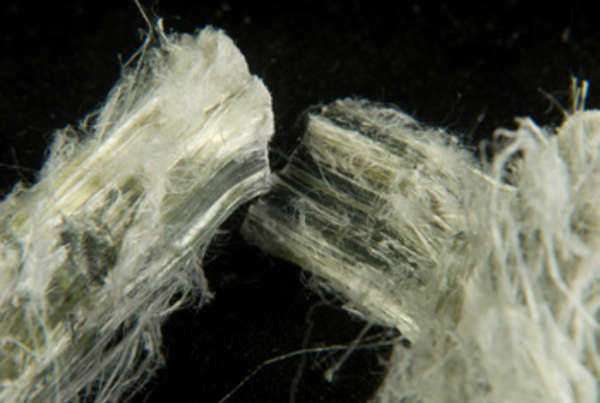
Asbestos machinery
Asbestos has heat proof qualities, which make it valuable for insulating machinery. As a silicate, asbestos does not burn, it disintegrates. It is this versatility, along with its many applications that most factories in Wisconsin have used some sort of asbestos compound to protect machinery. The insulating material will eventually break down due to wear and age and in the process, will release thousands of asbestos fibers.
Asbestos in buildings
The biggest concern under Wisconsin asbestos laws is the continued presence of asbestos in buildings. A national ban on asbestos building materials went into effect in the 1980s, but existing stocks of asbestos materials were used for a while afterward. Most asbestos must be removed by a licensed professional, although homeowners are allowed to do limited abatement on their own, in their houses only.
Categories of asbestos containing materials derive from federal classifications and denote which material must be removed from structures and under what circumstances. Friable materials are Category I materials. This includes insulation, wall plaster and some drywall. Generally, all of these materials must be removed under all circumstances as it is a direct source of asbestos fiber emissions. The other categories of materials, which are groups into Category II are non-friable in their current state. This may change if the material is damaged. There are two subdivisions of Category II that involve the nature of the material and those that will crumble after sufficient force is applied will be in a subcategory.
Asbestos laws
Wisconsin asbestos laws provide for the safe abatement of asbestos through commonly accepted procedures. The certification of professionals to perform proper asbestos abatement in structures is also a priority in Wisconsin asbestos laws, as this is based on mandates for proper training from the Occupational Health and Safety Administration. The unauthorized removal of asbestos, without proper notification and permits will be punished under Wisconsin asbestos law.
State agencies
The Wisconsin Department of Natural Resources and Wisconsin Department of Health Services are two agencies that deal with asbestos abatement in Wisconsin. A unified notification system is used to notify both agencies about renovations and demolitions. Alternatively, the contractor may complete the form in writing, following the instructions on pages three and four of the form.