Georgia Asbestos Abatement Procedure
📅 2026 Update: Changes in Asbestos Abatement Procedures
Since the original article was written, there have been notable developments in asbestos abatement procedures in the U.S. These changes reflect updates in federal and state regulations, as well as shifts in public awareness about asbestos exposure risks. The details provided here will enhance your understanding of current practices and guidelines.
The earlier article continues further down the page.
📋 Federal Oversight Updates
The Environmental Protection Agency (EPA) still oversees asbestos abatement under the National Emission Standards for Hazardous Air Pollutants (NESHAP). However, there have been calls for stricter enforcement of these regulations, highlighting the importance of certified professionals in asbestos removal. Regulations are frequently updated to address public health concerns.
🌍 State-Specific Regulations
Each state continues to have its own set of regulations for asbestos abatement. For example, California and New York have specific guidelines tailored to their needs. It's critical to check with your local environmental or health department for the latest updates and specific procedures.
💰 Cost Variations
The cost of asbestos abatement remains variable. Homeowners can expect to pay between $1,500 and $3,000 for small-scale projects, while larger removals can lead to significantly higher costs. It's advised to obtain multiple quotes to compare services.
⏳ Processing Times
Asbestos abatement processing times have not changed significantly. Smaller projects might take just a few days, while larger commercial jobs can stretch over several weeks. The timeline often includes obtaining permits and scheduling necessary inspections.
🏚️ Financial Assistance Options
While financial assistance for asbestos abatement is still limited, some states offer grants or low-interest loans for homeowners. Eligibility may depend on income levels, so checking with local agencies is essential for potential funding.
📌 Key Points to Remember
- 🏛️ Federal regulations are enforced by the EPA.
- 🏢 State regulations vary; consult local agencies.
- 💵 Costs for abatement can range widely.
- ⏱️ Processing times depend on project size.
- 💡 Financial assistance options exist but vary by state.
💡 Practical Tips for Asbestos Abatement
Review the details of your situation with your attorney to ensure you understand your options and obligations.
🔍 Understand Local Regulations
Each state has different regulations regarding asbestos abatement. Familiarize yourself with local laws and guidelines to ensure compliance and safety.
🧪 Use Certified Professionals
Always hire certified asbestos abatement contractors. These professionals are trained to handle asbestos safely and ensure that all regulations are followed.
📅 Plan Ahead
Plan your abatement project carefully. Consider scheduling inspections and obtaining permits well in advance to avoid delays during the removal process.
📞 Consult Local Agencies
Local environmental and health departments can provide valuable resources and guidance. They may also have information on funding opportunities for those who qualify.
🏡 Keep Records
Maintain detailed records of all inspections, abatement plans, and communications with contractors. This documentation can be crucial for future reference or potential claims.
📚 Educate Yourself
Stay informed about changes in asbestos regulations and best practices. Regularly check official websites for updates relevant to your area or situation.
🏆 Services Ranked by User Reviews (2026)
This section highlights services related to asbestos abatement, focusing on their user ratings and what they are known for. The order follows Trustpilot data checked in October 2026, and scores can change over time. Remember that star ratings are just one indicator, as unhappy customers often share their experiences more frequently.
🥇 1. Asbestos Sampling
Asbestos Sampling has been rated 4.6 on Trustpilot. This service is known for providing efficient asbestos testing kits and laboratory analysis. However, some customers have reported issues with customer service responsiveness, which is an important factor to consider while evaluating their services.
🆓 Free Resources for Asbestos Abatement
While financial assistance is limited, some nonprofit organizations and government agencies provide resources and referrals to certified professionals. The EPA offers educational materials, and local health departments can guide safe practices and regulations.
🔎 What to Compare When Choosing a Service
- 🔬 Quality of asbestos testing methods
- 🏆 Track record of successful abatement projects
- 📞 Customer service responsiveness
- 💬 User reviews and feedback
- 💵 Pricing and available financial assistance options
❓ Frequently Asked Questions
❓ What should I do if I suspect asbestos in my home?
If you suspect asbestos, do not disturb the material. Contact a certified professional for an inspection and assessment.
🧑🏫 How can I find certified abatement contractors?
You can check with local health departments or environmental agencies for lists of certified asbestos abatement contractors in your area.
🕒 How long does it take to get an abatement permit?
The time to obtain an abatement permit varies by state and location. It is advisable to apply well in advance to avoid delays.
🏠 Are there any programs for low-income homeowners?
Some states offer grants or low-interest loans for low-income homeowners for asbestos abatement. Check with local agencies for availability.
📞 Can I perform my own asbestos removal?
It is not recommended to handle asbestos removal on your own. Certified professionals are required to ensure safety and compliance with regulations.
🔍 How often should I have my home inspected for asbestos?
Regular inspections are advisable, especially for older homes. If renovations are planned, an inspection should be conducted beforehand.
⚖️ Recent Court Cases on Asbestos
Recent court rulings have addressed various aspects of asbestos exposure and liability, connecting closely to issues of public health and safety in abatement procedures.
- Hawaii Supreme Court Rules on Toxic Tort Case AppealsHawaii Supreme Court · September 21, 2026
- Court affirms remand of asbestos case against General ElectricCourt of Appeals for the Sixth Circuit · September 9, 2026
- Texas court continues abatement in landfill dispute caseTexas Court of Appeals, 3rd District (Austin) · August 28, 2026
- Texas Court Rules on Radiation Exposure Malpractice CaseTexas Court of Appeals, 15th District · August 25, 2026
For more recent rulings, you can browse more rulings on the news page.
End of October 2026 Update
Following Georgia asbestos abatement procedure is necessary to protect your safety and avoid costly penalties and potential litigation. Not all asbestos containing material need removal, so having an inspector examine your property before committing to removing asbestos will be important. Friable asbestos must be removed immediately, as this is a serious health hazard. Only professionals certified by the state of Georgia can perform most Georgia asbestos abatement procedures.
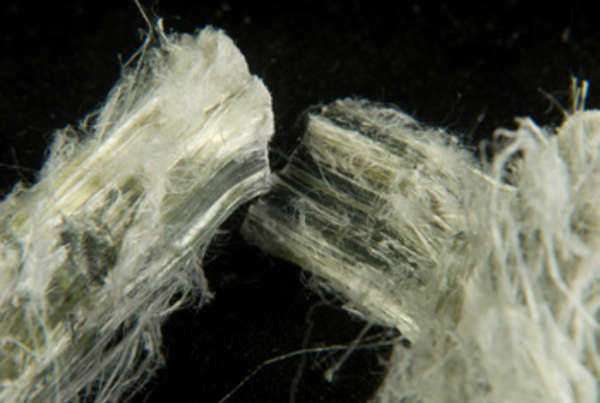
Removing friable material
Friable material is asbestos that is exposed and can be broken with minimal force. This material will release itself in the form of tiny particles that when inhaled, lodge in the lungs and pose a cancer threat for decades afterward.
Friable material can be encapsulated, which is sealing it behind a protective lawyer of sealant. As long as the seal is not tampered with, it will be able to prevent further particle leakage. This is an option for renovation and general asbestos abatement. For demolitions however, you must remove as asbestos containing materials, including non-friable materials.
Most contractors will be able to replace any material that is removed due to abatement. This will usually be a fee separate from the one assessed for asbestos abatement. There will be other fees for laboratory testing of materials for asbestos contamination and certifying a building as safe for renovation. Expert contractors and other trained and certified professionals will be able to discern if there is asbestos contamination either through visible emissions, experience working with certain materials and the aforementioned laboratory testing.
What are likely areas of contamination in my home?
Many houses in Georgia use some type of insulation. If the house was built before 1980, then this insulation is very likely to contain high levels of asbestos. Often this form of asbestos is not well protected, usually only with sacks of heavy paper. Applications that are more durable will seal the insulation in concrete or tar paper. Care must be taken when examining these materials and you should avoid tampering with them at all costs.
Providing notification
You must notify the Georgia DEP before beginning any work on an asbestos containing structure. There will be exemptions for small projects, such as one’s residence, provided the amounts of materials do not exceed a limited threshold. The DEP must be notified seven days before any work is done on the structure. The notification forms will include the nature of the material to be removed, who will remove it, how it will be removed and the plans to dispose of it, in compliance with Georgia asbestos abatement procedures.
How do I dispose of ACMs according to Georgia asbestos abatement procedures?
Friable asbestos must be wetted before you may dispose of it. The wetting prevents the escape of micro particles and further degradation of the material. It will be sealed in this wet form in a container labeled:
CAUTION! CONTAINS ASBESTOS -- AVOID OPENING OR BREAKING CONTAINER. BREATHING ASBESTOS IS HAZARDOUS TO YOUR HEALTH
Failure to label this material will lead to applicable dumping penalties as well as air pollution penalties.