Colorado Asbestos Abatement Procedures
📅 2026 Update: Changes in Asbestos Abatement Procedures
Since the original article was written, there have been no major updates to the overall asbestos abatement procedures in the U.S. However, it is important to note that regulations and practices can vary widely between states. The earlier article continues further down the page and still provides valuable information regarding these procedures.
🏗️ Federal Regulations Remain Steady
The Environmental Protection Agency (EPA) still oversees asbestos abatement through the National Emission Standards for Hazardous Air Pollutants (NESHAP). The rules require that certified professionals remove asbestos before any demolition or renovation. These federal guidelines are detailed in the Code of Federal Regulations.
🌍 State Regulations Are Diverse
Each state has its own asbestos regulations. For example, California and New York have their specific guidelines for handling asbestos. It remains crucial for individuals to consult their state’s environmental or health departments for the most accurate and up-to-date information.
⚠️ Abatement Procedures Stay Consistent
The general steps for asbestos abatement have not changed. The process includes inspection, risk assessment, planning, removal, and disposal. Certified professionals must perform these tasks to ensure safety and compliance with regulations.
💰 Costs and Processing Times
While costs can vary, homeowners still can expect to pay between $1,500 and $3,000 for smaller projects. Larger projects can significantly increase costs. Processing times also remain similar; smaller jobs may take a few days, while larger ones can extend over weeks.
Permitting and inspections can impact these timelines.
📅 Financial Assistance and Resources
Eligibility for financial assistance varies by state. Some states offer grants or loans for low-income homeowners. Individuals should check local health departments for available programs and deadlines.
While direct financial help is limited, nonprofits and government agencies still provide resources and referrals for certified professionals.
📌 Key Points
- Federal regulations are stable but state laws vary.
- Inspection and removal must be done by certified professionals.
- Costs for abatement can range widely.
- Financial assistance options exist but vary by state.
- Regular updates from local agencies are essential.
💡 Tips for Asbestos Abatement Procedures
Review the details of your own situation with an attorney. Understanding your specific circumstances will help you navigate the complexities of asbestos abatement.
🕵️♂️ Inspect Your Property
Before any abatement, conduct a thorough inspection to identify asbestos-containing materials. This step is crucial for planning the removal process.
📄 Develop a Detailed Plan
Create a comprehensive abatement plan that outlines the safety measures you will take during the removal process. This plan should comply with local regulations.
🧑🔧 Hire Certified Contractors
Always employ certified asbestos abatement professionals. They have the training and experience required to safely handle asbestos removal and disposal.
🗑️ Ensure Proper Disposal
Make sure that all asbestos waste is disposed of according to federal and state regulations. Improper disposal can lead to serious legal and health consequences.
💬 Seek Available Assistance
Check with local health departments or environmental agencies for any financial assistance programs aimed at helping with asbestos abatement. They may offer grants or low-interest loans.
📰 Stay Informed
Keep updated on any changes in regulations or programs by regularly checking official state websites. This will help you stay compliant and informed about best practices.
🏆 Asbestos Abatement Services Ranked by User Reviews (2026)
The services listed here focus on asbestos testing and analysis, which are vital parts of any abatement project. The rankings follow Trustpilot data reviewed in October 2026. Keep in mind that scores can fluctuate, and unhappy customers often leave more reviews.
🥇 1. Asbestos Sampling
Asbestos Sampling holds a score of 4.6. This service is recognized for its asbestos testing kits and laboratory analysis. Reviewers often highlight the quality of the kits but some customers have pointed out issues with customer service responsiveness.
🆓 Free Government and Nonprofit Assistance
While direct financial help for asbestos abatement is limited, some nonprofit organizations and government agencies offer resources and guidance. The EPA provides educational materials, and local health departments can assist with safe practices and regulations.
🔎 What to Compare When Choosing Asbestos Services
- 🏷️ Service ratings on review platforms.
- 🧪 Types of testing offered.
- 💵 Cost estimates for services.
- 📅 Processing times for obtaining results.
- 🧑🔧 Certification of professionals involved.
❓ Frequently Asked Questions
❓ What should I do if I find asbestos in my home?
If you discover asbestos, do not disturb it. Contact a certified professional for assessment and abatement.
📑 How can I find certified asbestos abatement professionals?
Check with your state’s environmental or health department for lists of certified contractors. They maintain updated records of qualified professionals.
🕒 How long does the abatement process usually take?
Smaller residential projects may take a few days, while larger commercial projects can take several weeks, depending on the scope.
💰 Are there financial assistance programs for asbestos abatement?
Some states offer grants or low-interest loans for low-income homeowners. Check with local health departments for program availability.
📜 What are the legal requirements for asbestos removal?
Legal requirements include hiring certified professionals and following state-specific regulations for asbestos removal and disposal.
🚨 What risks are associated with asbestos exposure?
Asbestos exposure can lead to serious health issues, including mesothelioma and lung cancer. It is essential to handle asbestos safely.
⚖️ Recent Court Cases Related to Asbestos Abatement
Recent court rulings have focused on asbestos exposure cases and the responsibilities of property owners during abatement. These cases highlight the importance of following regulations and ensuring safety during asbestos removal.
- Court Denies Centerline Logistics' Request to Halt OSHA CaseDistrict Court, District of Columbia · August 18, 2026
- Texas court dismisses appeal over nuisance abatement orderTexas Court of Appeals, 4th District (San Antonio) · August 5, 2026
- Court rules against government in OSHA penalty collection caseCourt of Appeals for the Eighth Circuit · July 1, 2026
- Court affirms dismissal of toxic exposure claims against LockheedCourt of Appeals for the Eleventh Circuit · July 28, 2026
For more recent rulings, you can browse more rulings on the news page.
End of October 2026 Update
State governments have the responsibility to carry out standards and mandates set by federal agencies such as the EPA and OHSA. The EPA will focus on the environmental impact of asbestos waste, exposure and dumping while the OHSA will enforce mandates that protect workers from harmful exposure to asbestos. Among the state responsibilities are to set the Colorado asbestos abatement procedures which will provide standards to remove both friable and non-friable asbestos from properties and dispose of them in a safe manner.
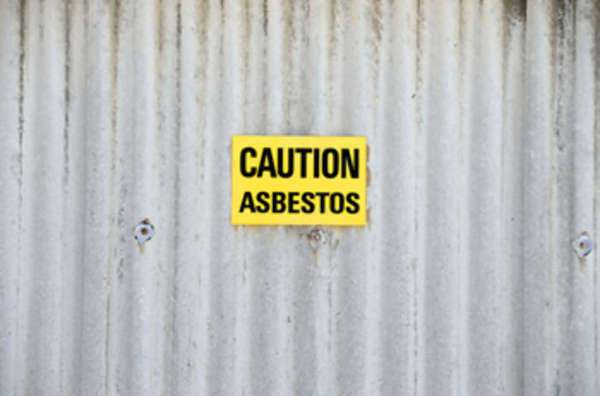
What is friable asbestos?
Friable asbestos is asbestos that exists either in its natural or somewhat processed form. There is no sealant on friable asbestos and it is able to remain in a fibrous state. Each fiber of asbestos is comprised of millions of smaller fibers and it is these fibers that cause asbestos related illnesses when they are inhaled. Friable asbestos will be found in plaster and insulation. It will also be found in popcorn ceilings, which are a simple application of plaster, water and asbestos. This water and fire proofing measure was easy to apply and was used widely in home construction.
Non-friable material will be removed according to Colorado asbestos abatement procedures. If the property is being renovated and not demolished, there is generally no need to remove non-friable asbestos from the entire property. This is due to the fact that the non-friable asbestos is sealed and will not release fibers as long as the seal is in place. Friable asbestos can be turned into non-friable asbestos with special seals and other compounds that prevent it from breaking down and spreading asbestos dust. Check with the Air Pollution Control Division, Asbestos Unit, for more information on which materials must be removed and under what circumstances.
Generally any material found be contain more that 1% of its weight in asbestos should have to remove that material and dispose of it accordingly. For example, the joint compound used to hold sheets of drywall together had been found to contain more than 1% of asbestos by weight.
How do I dispose with the asbestos, under Colorado asbestos abatement procedures?
There are strict rules regarding the disposal of asbestos materials. Generally, non-friable asbestos that has not been compromised can be dropped off at any landfill with the prior approval of the manager there. Friable asbestos, on the other hand, must be stored in sealed containers, soaked and labeled with very specific caution warnings. Only five landfills in Colorado will be able to take friable asbestos. As is the case with all disposal, you need to contact the landfill in advance for any local requirements.
How may perform asbestos abatement in Colorado?
Although homeowners may remove asbestos on their own if it is their own primary residence, all other asbestos abatement must be performed by a professional, certified by the state authorities. These certified professionals must take a safety Colorado asbestos abatement procedure course and pass a test in order to receive certification.