Asbestos in Drywall
📅 2026 Update: Current Asbestos Regulations and Practices
Since the original article was published, there have been no significant changes in federal asbestos regulations or state-specific procedures for asbestos abatement in the U.S. This means that many of the rules and practices described in the earlier article remain relevant today. Readers can find more details about these regulations further down the page.
🏛️ Federal and State Regulations
As of October 2026, federal asbestos regulations have not changed. State-specific abatement procedures continue to follow the guidelines set in previous years. For example, both the District of Columbia and Delaware require notifications for asbestos abatement projects, ensuring that property owners comply with safety standards.
- 🔍 District of Columbia: Asbestos abatement permits are needed for projects involving 161 to 1,600 square feet of material. A notification form must be submitted at least 10 working days before starting work.
- 📜 Delaware: Property owners must notify the Department of Natural Resources & Environmental Control for substantial asbestos removal work. A 10-working-day notice is required, but specific fees are not detailed.
💰 Costs for Abatement
The costs for asbestos abatement can vary by location. In the District of Columbia, a fee of $641 is required for projects removing 161 to 1,600 square feet of asbestos material.
- 🏷️ District of Columbia: The fee is set for specific abatement projects, ensuring funding for safe removal practices.
- ⚖️ Delaware: While the exact fee for substantial asbestos removal work is unspecified, property owners should be prepared for potential costs.
⏳ Processing Times and Deadlines
Processing times for permits differ by state. In the District of Columbia, emergency permits can be issued quickly if an emergency waiver is provided.
- ⏰ District of Columbia: Emergency situations allow for expedited permits, ensuring prompt action during urgent cases.
- 🗓️ Delaware: While specific processing times for permits are not provided, property owners should plan for a notification period of 10 working days.
🆓 Free Government Assistance
Both the District of Columbia and Delaware offer free guidance and support for asbestos abatement.
- 📞 District of Columbia: The Department of Energy and Environment provides assistance and guidance to property owners, helping them navigate the abatement process.
- 📚 Delaware: The Department of Natural Resources & Environmental Control offers information and may assist property owners with asbestos-related queries.
📌 Key Points Summary
- 🏛️ No significant changes to federal or state asbestos regulations since 2024.
- 💰 District of Columbia requires a fee of $641 for specific abatement projects.
- ⏳ Emergency permits can expedite processing in urgent cases.
- 🆓 Free guidance available from government agencies in both the District of Columbia and Delaware.
- 📅 Notification periods of 10 working days are required in both jurisdictions.
💡 Tips for Managing Asbestos in Your Home
Review the details of your own situation with your attorney.
🛠️ Inspect Your Home
If your home was built before the 1980s, it may contain asbestos. Conduct a thorough inspection to identify potential asbestos-containing materials.
🔍 Know the Risks
Asbestos exposure can lead to serious health issues like mesothelioma. Be aware of the risks associated with disturbing asbestos materials in your home.
📑 Follow Notification Procedures
In the District of Columbia and Delaware, notify the appropriate state agency before starting any asbestos removal work. This is essential for compliance with local regulations.
🏠 Hire Certified Professionals
Consider hiring certified asbestos professionals for assessments and abatement. They are trained to handle hazardous materials safely and effectively.
📞 Utilize Free Resources
Both the District of Columbia and Delaware offer free assistance to property owners. Take advantage of these resources for guidance on asbestos management.
🏷️ Maintain Proper Documentation
Keep records of all asbestos-related activities, including inspections, notifications, and abatement work. Proper documentation is crucial for compliance with federal and state regulations.
🏆 Free Options Ranked by User Reviews (2026)
No national paid service in this area met the review threshold for inclusion, so this section focuses on free government and nonprofit resources available for asbestos-related issues.
🥇 1. District of Columbia Department of Energy and Environment
The District of Columbia's Department of Energy and Environment provides essential guidance for asbestos abatement. They assist property owners in understanding regulations and proper procedures.
This department offers resources for managing asbestos safely and complying with local laws. Their support can be vital for homeowners facing asbestos issues.
🥈 2. Delaware Department of Natural Resources & Environmental Control
The Delaware Department of Natural Resources & Environmental Control offers information on asbestos abatement procedures. They help property owners navigate the necessary steps for safe removal.
This department provides resources and assistance, ensuring that residents meet their obligations while managing asbestos in their properties.
🔎 Key Considerations Before Paying for Help
- 📝 Verify the credentials of any professionals offering help.
- 📞 Check if free government assistance is available for your needs.
- ⚖️ Ensure compliance with all local and federal regulations.
- 🔍 Research user reviews for any services you consider.
❓ Frequently Asked Questions
🤔 What should I do if I suspect asbestos in my home?
If you suspect asbestos, consult a certified asbestos professional for an assessment. They can identify materials and recommend next steps.
🏠 How can I safely manage asbestos in my home?
To manage asbestos safely, avoid disturbing the material and consult professionals for removal. Always follow local regulations for notification and disposal.
🔍 What materials commonly contain asbestos?
Common materials that may contain asbestos include insulation, drywall, plaster, and flooring in homes built before the 1980s.
🚧 Are there emergency procedures for asbestos abatement?
Yes, in certain situations, emergency asbestos abatement permits can be expedited. This is usually for cases involving major fiber release or visible emissions.
🗓️ How long does it take to get an asbestos abatement permit?
In the District of Columbia, permits require at least 10 working days for processing. Delaware's processing time is not specified, so planning ahead is essential.
📞 Where can I find free help for asbestos issues?
Free help is available through the District of Columbia Department of Energy and Environment and the Delaware Department of Natural Resources & Environmental Control. Both agencies provide guidance for property owners.
⚖️ Recent Asbestos Cases
Recent court rulings regarding asbestos have highlighted ongoing legal issues related to exposure and abatement. These cases often involve claims for health damages due to asbestos exposure in various settings.
- Illinois Court Upholds Jurisdiction in Asbestos Case Against Japan BrakeAppellate Court of Illinois · September 8, 2026
- Hawaii Supreme Court Rules on Toxic Tort Case CausationHawaii Supreme Court · September 21, 2026
- Hawaii Supreme Court Rules on Toxic Tort Case AppealsHawaii Supreme Court · September 21, 2026
- Court affirms remand of asbestos case against General ElectricCourt of Appeals for the Sixth Circuit · September 9, 2026
For more recent rulings, please check out more rulings on the news page.
End of October 2026 Update
Drywall has emerged as the most common way to build walls in houses due to its standard size, fire resistance and composition. A number of issues have cropped up of late due to quality issues with drywall and potential dangerous compounded within it. Prior to this latest round of investigation into drywall, asbestos drywall was very common in the United States. Asbestos drywall was praised due to its resistance to water and fire as well as its durability. Asbestos in drywall however, has the potential to cause serious health problems for contractors, construction workers and residents of the homes that feature them. Although modern drywall does not feature asbestos, those that remodel or otherwise disturb the tainted drywall are at risk of exposure to a potential dangerous material.
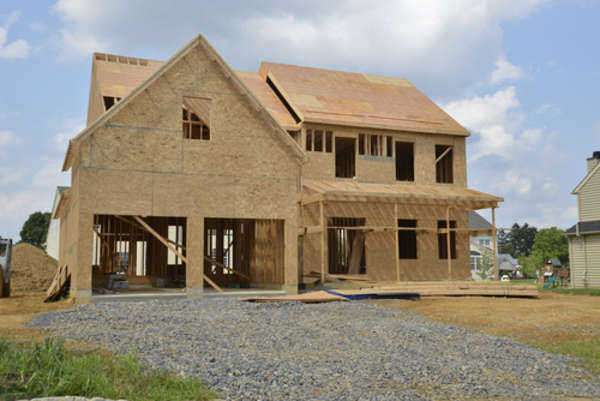
Composition of drywall
The composition of drywall is simple, as it is two sheets of paper sandwiching a layer of gypsum rock. Prior to a 1979 ban on asbestos in building materials, asbestos was frequently used to reinforce drywall and give it fire resistant properties. Drywall, also known as sheetrock, comes in standard sizes but can be cut with relative ease. Most importantly, the Federal government allowed existing, asbestos tainted material that was already manufactured to be used after the ban, putting many houses built before 1986 in danger of having asbestos in their walls.
Risks of contaminated drywall
Aside from the danger posed by the asbestos drywall itself, the joint compound, which is a type of plaster used to seal drywall in place almost, certainly will contain friable asbestos. This means it will release asbestos fibers in the air as it crumbles and it will not need much effort to do so. Even if the asbestos in the drywall is sealed effectively, this can be a source of contamination. This is similar to wall coatings and popcorn/acoustic ceilings. These insulations required a mixture of asbestos and plaster and when sprayed provided quick and cheap water and weather proofing. Those concerned about asbestos in dry wall should also consider this source of contamination.
How do I get rid of asbestos in drywall?
Amateurs should never attempt to remove asbestos on their own. In fact, if the asbestos is safely sealed, it poses almost no risk of contamination. It is for this reason that popcorn ceilings and other asbestos insulation can be protected by a spray able sealant. Those that must get rid of asbestos drywall will only do so because the drywall has started to degrade. This is known as the degradation of non-friable materials, as it is becoming friable and the asbestos fibers are exposed, therefore leeching into the surrounding environment.
When the asbestos drywall becomes friable, a professional will have to perform asbestos abatement. Depending on the application, this will involve water treatment to prevent fibers from floating into the air, strong filtration and vacuums to prevent dust and residue and the proper disposal of the contaminated material.
What should I do if my new construction has asbestos dry wall?
This is very rare as all domestic produced sheetrock as well as drywall imported form abroad should be subject to strict inspection. We do know however, that certain faults may escape this cursory inspection. In the unlikely event that your structure built after 1986 has asbestos drywall, you may be able to sue for damages. The government, through the Department of Justice is likely to press charges against the contractor as well for violating the Clean Air Act and other regulations that aim to limit asbestos exposure.
Is asbestos illegal in the US?
No, but it is heavily regulated. As such, new constructions may not use asbestos drywall in building material and public buildings must have met certain standards for abatement. Workers that handle asbestos must been minimum specifications, as set by the Occupation Health and Safety Administration. The OHSA will track cases of mesothelioma and asbestosis and report on the efficiency and safety of regulations meant to protect workers.
Can I be sickened by asbestos drywall?
Yes, but only if the material has become friable. This will only happen if the drywall is exposed or damaged. These fibers, through prolonged exposure will cause cancers of the lungs and other organs. Mesothelioma is the typical cancer that develops from asbestos exposure. When suffering from this disorder, the individual’s lung will harden, will be unable to drain fluid and will cause heavy coughing. This can be exacerbated by smoking as well as the length of exposure. The hardening of the lungs robs them of their elasticity and the individual slowly suffocates, suffering from a host of other, related injuries.