Michigan Asbestos Abatement Procedure
📅 2026 Update: Changes in Asbestos Abatement Procedures
Since the original article was published, there have been updates regarding asbestos abatement procedures in the United States. These changes can affect how residents manage asbestos in their homes and workplaces. The information below highlights the most significant updates for 2026, while the earlier article continues further down the page.
🏛️ Federal Regulations Update
The Environmental Protection Agency (EPA) continues to oversee asbestos abatement under the National Emission Standards for Hazardous Air Pollutants (NESHAP). There have been no major changes in federal regulations since the previous article. However, it remains essential to ensure that all asbestos-containing materials are removed by certified professionals before any demolition or renovation.
🗺️ State Regulations Overview
Each state still maintains its own regulations for asbestos abatement. For example, California and New York have specific guidelines that vary significantly. It is important to check with your state's environmental or health department for the latest regulations and procedures.
💰 Cost Trends
As of 2026, the cost of asbestos abatement remains variable. Small-scale abatement projects typically range from $1,500 to $3,000. Larger projects can be much more expensive, depending on several factors.
Homeowners are encouraged to obtain multiple quotes from certified contractors to ensure fair pricing.
⏳ Processing Times
The duration for completing asbestos abatement projects can still vary widely. Smaller residential jobs may take just a few days, while larger commercial projects could extend over several weeks. Factors such as permit acquisition and inspections can impact the overall timeline.
🏠 Financial Assistance Updates
Eligibility for financial assistance related to asbestos abatement continues to differ by state. Some states offer grants or low-interest loans to support homeowners, especially for low-income individuals. Checking with local agencies is essential to understand available programs and their deadlines.
📌 Key Points
- Federal regulations remain unchanged under the EPA.
- State regulations vary widely and should be verified locally.
- Costs for abatement range from $1,500 to $3,000 on average for small jobs.
- Processing times depend on project size and complexity.
- Financial assistance varies by state and may be available for low-income homeowners.
💡 Tips for Asbestos Abatement Procedures
Review the details of your specific situation with your attorney.
🛠️ Hire Certified Professionals
Always engage certified asbestos abatement contractors. This ensures safety and compliance with federal and state regulations.
🔍 Conduct Inspections
Before any work begins, have a thorough inspection done to identify asbestos-containing materials. This is a critical first step in any abatement project.
📋 Create an Abatement Plan
Develop a detailed abatement plan that outlines safety measures. This plan should follow both federal and state guidelines.
🚮 Ensure Proper Disposal
Asbestos waste must be disposed of correctly to comply with regulations. Follow local guidelines to avoid legal issues and health risks.
📅 Stay Updated
Regularly check official websites for updates on regulations and available assistance programs. This information can change frequently and is crucial for compliance.
🏛️ Consult State Agencies
Contact your state's environmental or health department for the most accurate and current information. They can provide specific details relevant to your location.
🏆 Asbestos Abatement Services Ranked by User Reviews (2026)
Services related to asbestos testing and removal play a vital role in ensuring safety during abatement projects. The following services, ranked by Trustpilot data as of October 2026, provide insights into user experiences. Remember that scores can change, and ratings reflect a mix of customer satisfaction.
🥇 1. Asbestos Sampling
Asbestos Sampling has been rated 4.6. This service is known for offering asbestos testing kits and laboratory analysis. Reviewers appreciate the quality of the testing but some have reported issues with customer service responsiveness.
🆓 Free Government and Nonprofit Help
While there are limited options for direct financial assistance, some nonprofit organizations and government agencies offer resources and guidance. These include educational materials from the EPA and information on safe practices from local health departments.
🔎 What to Compare When Choosing Asbestos Services
- 📊 Trustpilot scores and review counts
- 🏗️ Types of services offered
- 🔍 Customer feedback on service quality
- 💵 Cost estimates for various projects
- 🛡️ Professional certifications and compliance with regulations
❓ Frequently Asked Questions
❔ What is the first step in asbestos abatement?
The first step is to conduct a thorough inspection to identify any asbestos-containing materials. This assessment helps determine the risk and the necessary abatement measures.
🛑 Who can perform asbestos abatement?
Only certified professionals should handle asbestos abatement. They are trained to safely remove and dispose of asbestos-containing materials according to regulations.
📅 How long does the abatement process take?
The length of the abatement process varies. Smaller residential projects can take a few days, while larger commercial projects may last weeks, depending on the scope of work.
💰 Are there financial assistance programs available?
Yes, some states offer grants or low-interest loans for asbestos abatement, especially for low-income homeowners. It's important to check with local agencies for specific programs.
📋 What should I include in an abatement plan?
An abatement plan should include an inspection report, risk assessment, safety measures, and disposal methods. It should comply with federal and state regulations.
🏛️ How can I stay updated on asbestos regulations?
Regularly visit the official websites of your state's environmental or health department. These sites provide the latest information on regulations and available assistance programs.
⚖️ Recent Cases Related to Asbestos
Several recent court rulings have influenced asbestos abatement procedures and liability issues. These rulings highlight the importance of following regulations during abatement to prevent legal repercussions.
- Fifth Circuit Rules OSHA Cannot Mandate Mental Illness RecordsCourt of Appeals for the Fifth Circuit · July 21, 2026
- South Carolina Court Rules on Asbestos Case ReceivershipSupreme Court of South Carolina · May 27, 2026
- Court rules teacher entitled to sick leave after COVID-19 exposureNew Jersey Superior Court Appellate Division · April 6, 2023
- Texas Court of Appeals extends abatement in Hughes caseTexas Court of Appeals, 3rd District (Austin) · May 26, 2026
For more recent rulings, check the news section for updates.
End of October 2026 Update
There are a number of asbestos abatement procedures, set by both the federal government and the Michigan DEP. This includes mandatory training courses and contractor licensing. All others must receive accreditation in order to perform asbestos abatement. This tight regulation helps keep the potentially lucrative asbestos abatement business from spiraling out of control and ensures that the highly toxic asbestos does not lead to secondary contamination of homes and other buildings. Asbestos can be even more dangerous when it is abated improperly.
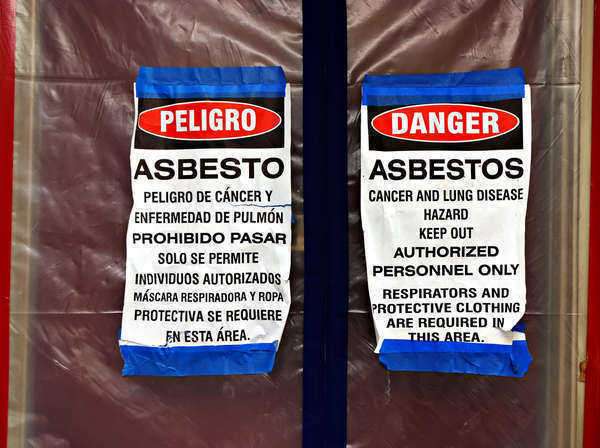
Michigan asbestos abatement procedures for friable material
Friable material is material that easily breaks with minimal force and human contact is usually sufficient. The danger of this material is that by nature, when it crumbles it will release tiny asbestos particles that will cause illnesses decades later. Friable asbestos containing material is at least 1% asbestos by weight.
Encapsulation is one possible solution in the Michigan asbestos abatement procedures, as this allows for a sealant to prevent further fibers from breaking loose. As long as the sealant is intact, there is no danger. This is an option for renovation and general asbestos abatement. For demolitions however, you must remove as asbestos containing materials, including non-friable materials.
The alternative to encapsulation is careful removal by wetting the material. Wetting is considered the accepted way to get rid of friable asbestos, as when it is waterlogged there is no danger of having more materials spread. The soaked asbestos is scraped from the surface and any debris are dispatched with vacuum containing a very fine HEPA filter. The wet material will need to be sealed and disposed at an acceptable Michigan solid waste disposal site. The contractor generally has to send advance notice before disposing of friable asbestos containing materials.
Michigan asbestos abatement procedures for non-friable material
Non-friable material can be left inside the structure if it is a renovation. This is because the asbestos is sealed inside and cannot be released. If the renovation is directly linked to the contaminated material, it must be removed. There is a separate classification for non-friable materials that may crumble as this is as dangerous as friable materials. Almost all non-friable material must be removed before a demolition.
Where is asbestos in buildings?
Asbestos insulation, including the now infamous Zonolite branded insulation material will be found in many Michigan homes. All of these applications are considered non-friable as the layer of friable asbestos is safely locked in indurate applications or layers. There is the risk of damaging these materials and releasing asbestos fibers and the inspector or contractor will be able to advise you on the best possible course of action when dealing with this form of asbestos.
Providing notification
The Michigan Department of Environmental Quality must receive notification of any action to demolish or renovate a structure. This includes asbestos abatement. The notification for, which is usually required 10 working days before the construction beings, will ask about the nature of the asbestos that will be removed, estimates at the amount to be abated and which licensed contractor will perform the asbestos abatement.