Crocidolite Asbestos
📅 2026 Update: Changes in Asbestos Regulations and Guidelines
Since the original article was published, there have been no significant legislative changes regarding asbestos types. The information provided in the earlier article remains relevant and continues further down this page.
🔍 Current Fees and Costs
As of October 2026, fees and costs for asbestos abatement depend on local regulations. For example, in Delaware, single-family homes do not need to notify state authorities about asbestos abatement. This can result in lower costs for homeowners compared to larger projects that require more oversight.
🛠️ Asbestos Abatement Procedures
The steps for asbestos abatement remain consistent. They include assessing and identifying asbestos-containing materials, preparing the site, and removing the materials by certified professionals. Proper disposal of asbestos waste and post-abatement air monitoring are also crucial to ensuring safety.
🏛️ State-Specific Regulations
Each state has different rules for asbestos abatement. For example, Arkansas has Regulation 21, which outlines standards for notification and disposal of asbestos waste. Homeowners and contractors should be aware of their local laws to ensure compliance.
⏳ Processing Times
The time it takes to complete asbestos abatement can vary significantly. Factors like the project's scope and the amount of asbestos present influence processing times. While specific timeframes are not available, understanding these variables can help in planning the abatement process.
📅 Deadlines for Abatement
Deadlines for asbestos abatement procedures are determined by state and local regulations. For instance, Pennsylvania requires that friable asbestos be removed before renovations or demolitions can take place. Staying updated on these deadlines is essential for timely compliance.
📌 Key Points Summary
- No major legislative changes on asbestos types since 2024.
- Costs for asbestos abatement vary by state and type of property.
- Abatement procedures include several critical steps for safety.
- Each state has its own specific regulations and deadlines for abatement.
- Processing times depend on project scope and local rules.
💡 Tips for Understanding Asbestos Regulations
Review the details of your situation with your attorney to ensure you understand your specific needs regarding asbestos exposure.
📋 Know Your State Regulations
Each state has its own laws regarding asbestos. Familiarize yourself with local guidelines to avoid compliance issues. This is especially important for property owners planning renovations.
🏠 Assess Your Property
If you suspect asbestos in your home, have a professional assess the situation. This step is crucial for understanding the type of asbestos present and the appropriate abatement methods.
🚧 Use Certified Professionals
Always hire certified professionals for asbestos removal. These experts follow proper safety protocols and ensure compliance with local regulations, reducing health risks.
📅 Keep Track of Deadlines
Be aware of deadlines related to asbestos abatement in your area. Missing these can lead to fines or legal issues, especially when renovating or demolishing properties.
📞 Contact Local Agencies for Help
If you have questions about asbestos, contact your local health department or environmental agency. They can provide guidance and information on available resources.
🧪 Test Suspicious Materials
If you find materials that might contain asbestos, have them tested before proceeding with any renovations. This will help ensure your safety and compliance with regulations.
🏆 Free Options Ranked by User Reviews (2026)
No national paid services met the review threshold for this topic, so this section lists free government and nonprofit resources available for asbestos-related issues.
🥇 1. Local Health Departments
Local health departments provide information on asbestos regulations and health risks. They can guide individuals on proper procedures for handling asbestos in their homes.
🥈 2. Environmental Agencies
Environmental agencies offer resources for understanding asbestos exposure and its effects. They also provide guidance for safe abatement practices and local regulations.
🥉 3. Community Health Programs
Community health programs may provide free assessments and information on asbestos safety. These programs are designed to help individuals understand the risks associated with asbestos in their environment.
4️⃣ State Regulatory Agencies
State regulatory agencies can assist with compliance and offer resources for asbestos abatement. They ensure that residents follow local laws regarding asbestos handling and removal.
5️⃣ Nonprofit Organizations
Nonprofit organizations dedicated to public health may offer resources about asbestos-related health issues. They can provide information on legal rights and support for those affected by asbestos exposure.
🔎 What to Check Before Paying for Help
- 🏛️ Verify the credentials of any service provider.
- 📜 Review local regulations to ensure compliance.
- 💬 Read reviews or ask for references from past clients.
- 🔍 Confirm that the provider offers a clear plan for your needs.
❓ Frequently Asked Questions
🤔 What are the health risks of asbestos exposure?
Asbestos exposure can lead to serious health issues, including mesothelioma and lung cancer. The risk increases with the duration and intensity of exposure.
🏛️ How can I find out if my home contains asbestos?
To determine if your home contains asbestos, hire a certified professional to conduct a thorough inspection and testing of suspected materials.
⏳ How long does the asbestos abatement process take?
The duration of the asbestos abatement process varies based on the project's scope and the amount of asbestos present. Specific timeframes depend on local regulations.
📋 Are there any exemptions for homeowners?
Some states, like Delaware, have exemptions for single-family homes regarding certain asbestos regulations. Check local laws to understand what applies to your property.
🚧 What should I do if I find asbestos in my home?
If you find asbestos, do not disturb it. Contact a licensed professional for safe assessment and removal to minimize health risks.
📞 Where can I find help for asbestos issues?
Local health departments and environmental agencies can provide guidance and resources for individuals dealing with asbestos-related issues.
⚖️ Recent Cases Related to Asbestos
Recent court rulings address various issues surrounding asbestos exposure and liability. These cases may impact how asbestos claims are processed and the responsibilities of property owners.
- Fifth Circuit Rules OSHA Cannot Mandate Mental Illness RecordsCourt of Appeals for the Fifth Circuit · July 21, 2026
- South Carolina Court Rules on Asbestos Case ReceivershipSupreme Court of South Carolina · May 27, 2026
- Court rules teacher entitled to sick leave after COVID-19 exposureNew Jersey Superior Court Appellate Division · April 6, 2023
- Texas Court of Appeals extends abatement in Hughes caseTexas Court of Appeals, 3rd District (Austin) · May 26, 2026
For more recent rulings, visit more rulings on the news page.
End of October 2026 Update
What is Crocidolite asbestos?
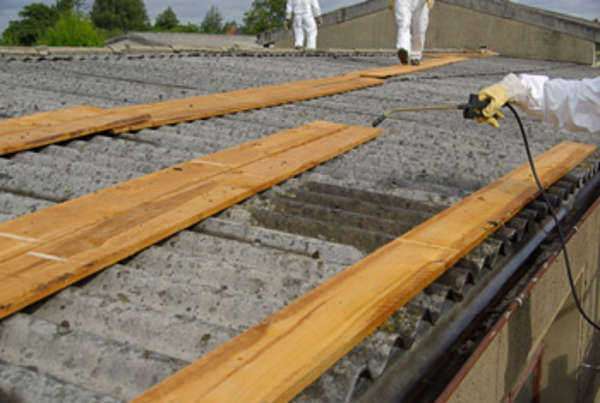
Crocidolite asbestos is a blue silicate mineral and is one of the most dangerous forms of asbestos. It is also known as Riebeckite and aside from its blue color, it is also distinguishable by its sodium content and very fine fibrous strands which are easily lodged in the lungs. It is because of the nature of this mineral that almost 20% of its miners will die of an asbestos related disease. The blue color of Crocidolite asbestos explains its nickname as “blue asbestos,” which is in contrast to brown asbestos (Amosite) and common white asbestos (Chrysotile). It is a brittle mineral with a somewhat silky appearance. Other forms of this asbestos have a “wooly” look to it, reflecting its fine fibers.
The chemical formula of Crocidolite asbestos is:
[ [Na2] [(Fe2+)3 (Fe3+)2 ] [ (OH)2|Si8 O22]
This is much more complicated that other forms of asbestos, contains no magnesium ions, but shares most other common elements, with the exception of sodium, with the other five typical forms of asbestos.
What is the risk from Crocidolite asbestos in the US?
Crocidolite asbestos was not mined in the US, but was used in spray on insulation solutions, electrical wire insulation, cement sheets, tiles, fireproofing, waterproofing and even steam pipes and ovens. Crocidolite asbestos was also used in acid battery casings. Crocidolite asbestos has the highest temperature resistance of all forms of asbestos. Predictably, this meant that it was used for many steam engine insulating purposes.
Crocidolite asbestos was by no means durable however and most forms that exist today are subject to breakdown where they will almost certainly release fine fibers into the air. For this reason, as well as clear danger to miners, Crocidolite asbestos has long been out of commercial use.
How do I know if I have been sickened by Crocidolite asbestos?
The hair-like fibers of Crocidolite asbestos are well suited to catching in the lungs of unsuspecting victims. The way the body reacts to the presence of asbestos is the root of asbestos related illness. The first sign of potential damage from Crocidolite asbestos is decreased lung function. Coughing up blood and fluid, with an increasingly worse cough is the first sign that a doctor should be consulted. The embedded Crocidolite asbestos fibers turn the lungs leathery and hard. By losing elasticity, lung capacity lowers dramatically and the illness will worsen as fluid fills the lungs and the victim suffocates.
Weight loss and weakness from oxygen deprivation are sure signs of illness from this form of asbestos.
Only a doctor’s examination and x-rays can determine the extent of exposure related illness. An exposure relatedness illness is a prerequisite for filing litigation.
What recourse is available to workers exposed to Crocidolite asbestos?
The government will provide for Medicare payments for some individuals sickened by asbestos, especially federal employees that have contracted it while working for the government. State worker compensation boards also have provisions to help those crippled by an asbestos related disease. Other programs exist for federal employees, long shore and harbor workers, and Veterans.
There are no national laws to compensate those that have been exposed to asbestos. A national trust fund, intended to compensate workers injured by asbestos, has been proposed in Congress multiple times but has never passed into law.
Those sickened by Amosite asbestos should seek a civil law remedy. A mesothelioma or other asbestos attorney will assist you in suing the employer or prosperity owner for failing to maintain appropriate standards and safety protocol that would have protected your health. You will be able to win compensation for medical bills and other losses through this course of action.
The asbestos lawyer will work on contingency and ensure that no fees are collected unless the case is one. This generally works in your favor but be careful of potential scams and have a written fee arrangement to prevent exploitation or confusion.
What laws exist to protect those sickened by asbestos?
Contrary to popular belief, there is no national ban on asbestos in the US or Canada. It has fallen out of popular demand and use due to public perceptions about the dangers involved with it however. The Occupation Safety and Health Administration conducts studies on the effects of Asbestos exposure on workers and provides guidelines to protect workers that work with asbestos abatement from further harm. Those involved with Crocidolite asbestos abatement procedure will be able to have their health studied, wash off residue, and receive adequate training on the more dangerous aspects of the job as well as associated health risks.