Asbestos Project Plan
📅 2026 Update: Key Changes in Asbestos Management and Safety
Since the original article was published, there have been notable developments in asbestos regulations and resources. These changes affect how asbestos exposure is managed, health risks are communicated, and support is provided to those impacted. The earlier article continues further down the page, providing background information on these important topics.
🏛️ New Regulations and Guidelines
Asbestos regulations are changing, and this varies by state. Recent updates may have introduced new safety standards and requirements for handling asbestos. These changes affect workers' safety and the management of asbestos in homes and public buildings.
- 🔍 State Variations: Each state has its own rules, which can be stricter or more lenient than federal regulations. It's essential to stay informed about local laws.
💼 Asbestos Exposure Risks
Awareness of the health risks associated with asbestos exposure continues to grow. Mesothelioma and other asbestos-related diseases remain a serious concern.
- ⚠️ Health Risks: Continued research shows that even low levels of exposure can lead to serious health issues. It's vital to understand these risks to protect yourself and others.
🏥 Resources for Support
Assistance for those affected by asbestos exposure is available through various organizations. Nonprofits play a key role in providing information and support.
- 🤝 Nonprofit Organizations: Groups like the Asbestos Disease Awareness Organization offer resources and guidance for patients and families dealing with asbestos-related diseases.
📑 Current Expert Services
The availability of professional services for asbestos management is crucial for ensuring safety. Consulting experts can help individuals and organizations navigate these complex issues.
- 🛠️ Consultancy Services: Experts in asbestos management can provide essential services, like testing and removal, to reduce exposure risks in homes and workplaces.
📌 Key Points to Remember
- 🏛️ Regulations on asbestos vary by state and may have changed recently.
- ⚠️ Awareness of health risks from asbestos exposure is crucial for safety.
- 🤝 Nonprofit organizations provide valuable support for those affected.
- 🛠️ Consulting experts can help navigate regulations and ensure safety.
💡 Tips for Managing Asbestos Safety
Reviewing the details of your situation with an attorney can help clarify your options and rights regarding asbestos exposure.
🏠 Understand Your Rights
Know your rights regarding asbestos exposure and management. This can help you make informed decisions about your health and safety.
🔍 Investigate Your Environment
If you suspect asbestos in your home or workplace, investigate further. Testing for asbestos can help determine the risk level and necessary actions.
🛡️ Follow Safety Protocols
Adhering to safety protocols is vital when dealing with asbestos. Use protective gear and follow guidelines to minimize exposure during any asbestos-related work.
🤝 Seek Help from Professionals
Engage professionals for testing and abatement services. Their expertise can ensure that asbestos is handled safely and according to regulations.
🗂️ Stay Informed
Regularly check for updates on asbestos regulations and safety guidelines. Staying informed will help you protect yourself and others from exposure risks.
❓ Frequently Asked Questions
❓ What should I do if I find asbestos in my home?
If you discover asbestos, avoid disturbing it. Contact a professional for testing and potential removal to ensure safety.
🧪 How can I test for asbestos?
Testing involves collecting samples and sending them to a laboratory for analysis. Qualified professionals can assist with this process.
🚧 What are the laws regarding asbestos removal?
Asbestos removal laws vary by state. It's important to check local regulations and hire licensed professionals for removal.
🏥 What are the symptoms of asbestos-related diseases?
Symptoms can include shortness of breath, persistent cough, and chest pain. If you have concerns, consult a healthcare provider.
📅 How often should I have my property tested for asbestos?
The frequency of testing can depend on various factors, including the age of the building and any renovations. Regular assessments may be advisable.
🏛️ Where can I find more information on asbestos regulations?
The EPA and local health departments provide valuable resources on asbestos regulations and safety guidelines.
⚖️ Recent Court Cases on Asbestos
Recent court rulings have highlighted ongoing issues related to asbestos exposure and health risks. These cases can impact claims and regulations regarding asbestos management.
- Fifth Circuit Rules OSHA Cannot Mandate Mental Illness RecordsCourt of Appeals for the Fifth Circuit · July 21, 2026
- South Carolina Court Rules on Asbestos Case ReceivershipSupreme Court of South Carolina · May 27, 2026
- Court rules teacher entitled to sick leave after COVID-19 exposureNew Jersey Superior Court Appellate Division · April 6, 2023
- Texas Court of Appeals extends abatement in Hughes caseTexas Court of Appeals, 3rd District (Austin) · May 26, 2026
Explore more rulings on the news page for the latest updates on asbestos-related court decisions.
End of October 2026 Update
What is the Asbestos Project Plan?
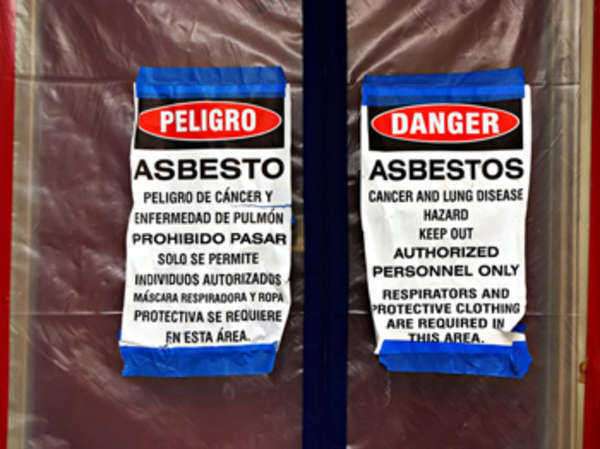
The Asbestos Project Plan is a government-produced pamphlet that agglomerates all of the Environmental Protection Agency’s recent actions and regulations regarding asbestos use. The Asbestos Project Plan offers a framework for a coordinated agency-wide approach to evaluate, identify and in general, reduce the risks associated with asbestos exposure. The Environmental Protection Agency has identified three primary areas where the government will focus its asbestos research, funding activities and general program initiative.
1.The asbestos project plan creates a framework to improve the state of the science for asbestos detection and general prevention. These efforts aim to not only find a suitable replacement for asbestos materials, but also, to bolster understanding of the mineral’s toxicity. This stage involves several activities aimed to advance the Environmental Protection Agency’s understanding of asbestos-related exposures, analysis and sample collection are applied in the scientific field.
2.The asbestos project plan creates a framework to help address and identify ways people are exposed to asbestos in schools, buildings, products and potential ways to impede or reduce exposure.
3.The asbestos project plan creates a framework to improve assessment-related experiments. This initiative attempts to reduce the risks associated with areas that require certified asbestos abatement or clean-up.
Before developing the Asbestos Project Plan, the United States Environmental Protection Agency convened the Asbestos Strategies initiative. The general purpose of the Asbestos Strategies Project—again, commissioned by the Environmental Protection Agency—was to analyze potential options and solutions regarding the management and general use of asbestos products. The Environmental Protection Agency achieved the first primary objective which was to offer suggestions, options and recommendations on effective asbestos outreach, oversight and educational approaches. The Environmental Protection Agency also achieved their second major objective which was to provide opportunities for important stakeholders to share their knowledge with regards to incentives, barriers, best practices, lessons learned and viable technological applications as they generally relate to asbestos management and use.
The Asbestos Project Plan was built in 1989, when the Environmental Protection Agency finalized the Phase out Rule and the Asbestos Ban. This initiative would have effectively banned all but a few uses of asbestos fibers. However, the bulk of this ban was reversed by the US Court of Appeals for the Fifth Circuit. Because of this decision, the Environmental Protection Agency’s asbestos program focused on implementing the Asbestos Hazard Emergency Response Act, The Asbestos National Emission Standards for hazardous Air Pollutants under the clean air act and The Asbestos School Hazard Abatement Act.
The Environmental Protection Agency is committed to providing timely and accurate public health information and is continuing to address all risks and concerns related to asbestos exposure. To assist the public in securing relevant information with regards to any asbestos issue, the Environmental Protection Agency can be reached at its toll-free number (1-800-471-7127). Additionally, the Environmental Protection Agency posts information concerning asbestos issue on its website: www.epa.gov. The agency also posts information regarding the activities contained in the Project Plan.