Lung Cancer
📅 2026 Update: Major Changes in Asbestos Regulations and Health Risks
Since the original article on lung cancer was written, there have been significant updates regarding asbestos use and regulations in the United States. The Environmental Protection Agency (EPA) has made notable changes that impact how asbestos is managed and the health risks associated with it. Readers can find further details in the original article below.
🏛️ EPA Bans Ongoing Uses of Asbestos
In 2024, the EPA finalized a rule that bans the ongoing use of chrysotile asbestos, which is the only type still imported into the U.S. This rule prohibits the manufacture, import, processing, and distribution of products containing chrysotile asbestos. This ban marks a significant step in reducing asbestos exposure and protecting public health.
💰 Asbestos Trust Fund Compensation
As of August 2026, there are over 60 active asbestos trust funds holding more than $30 billion to compensate individuals diagnosed with asbestos-related diseases. Compensation amounts vary based on the specific trust and individual circumstances, providing vital financial support for affected individuals.
⏳ Claim Processing Times
Processing times for asbestos trust fund claims can differ widely. Some trusts aim to process claims within a few months, while others may take longer. Individuals should check with the specific trust for their expected processing times when filing a claim.
📅 Filing Deadlines for Claims
Each asbestos trust fund sets its own filing deadline, usually around 2 to 3 years after a mesothelioma diagnosis. Timely filing is crucial to ensure eligibility for compensation, highlighting the importance of understanding each trust's specific rules.
📌 Key Points on Asbestos and Lung Cancer
- 🏛️ EPA's ban on ongoing uses of chrysotile asbestos.
- 💰 Over $30 billion in asbestos trust funds available for compensation.
- ⏳ Varying processing times for claims.
- 📅 Specific filing deadlines set by each trust fund.
- 🏥 Support available through organizations like the American Cancer Society.
💡 Practical Tips for Handling Asbestos-Related Issues
It is essential to discuss the specifics of your situation with your attorney.
🔍 Understand Your Exposure History
Knowing your exposure history can significantly impact your eligibility for compensation. Gather documents related to your work history and any known exposure to asbestos.
📄 Complete Trust Fund Claim Forms
When filing a claim, make sure to complete the required forms accurately. These forms typically require details about your exposure and medical diagnosis, so be thorough.
🗓️ Be Aware of Deadlines
Each trust fund has its own filing deadlines. Keep track of these dates to ensure you do not miss out on potential compensation.
🔗 Utilize Free Resources
Support is available through nonprofit organizations such as the American Cancer Society and the American Lung Association. These groups offer free resources for individuals impacted by asbestos-related diseases.
📞 Seek Professional Help
Consider consulting with professionals who specialize in asbestos claims. They can guide you through the filing process and help you understand your rights.
❓ Frequently Asked Questions
❓ What is the health risk associated with asbestos exposure?
Inhaling asbestos fibers can lead to serious health issues, including asbestosis, lung cancer, and mesothelioma. The severity of these risks depends on the level and duration of exposure.
🔍 How do I file a claim with an asbestos trust fund?
To file a claim, individuals must complete a claim form from the specific trust fund, detailing their exposure history and medical diagnosis. It's essential to ensure all information is accurate.
📅 Are there deadlines for filing asbestos claims?
Yes, each asbestos trust fund sets its own deadlines, typically around 2 to 3 years after a diagnosis of mesothelioma. Timely filing is crucial for eligibility.
💰 What compensation can I expect from asbestos trust funds?
Compensation amounts vary based on the specific trust fund and individual circumstances. As of August 2026, trusts hold over $30 billion for claimants.
🏥 Where can I find support for asbestos-related diseases?
Organizations like the American Cancer Society and the American Lung Association offer free resources and support for individuals affected by asbestos-related diseases.
🏛️ What recent changes have been made to asbestos regulations?
In 2024, the EPA finalized a rule that bans the ongoing use of chrysotile asbestos, which is the only type still imported into the U.S. This ban aims to reduce health risks associated with asbestos exposure.
⚖️ Recent Court Cases Related to Asbestos
Recent court rulings have addressed various aspects of asbestos exposure, compensation claims, and regulations. These cases are significant as they shape the legal landscape surrounding asbestos-related health issues.
- Illinois Court Upholds Jurisdiction in Asbestos Case Against Japan BrakeAppellate Court of Illinois · September 8, 2026
- Hawaii Supreme Court Rules on Toxic Tort Case CausationHawaii Supreme Court · September 21, 2026
- Hawaii Supreme Court Rules on Toxic Tort Case AppealsHawaii Supreme Court · September 21, 2026
- Court affirms remand of asbestos case against General ElectricCourt of Appeals for the Sixth Circuit · September 9, 2026
Readers are encouraged to browse more rulings on the news page for the latest information on court decisions related to asbestos.
End of October 2026 Update
Asbestos and Lung Cancer
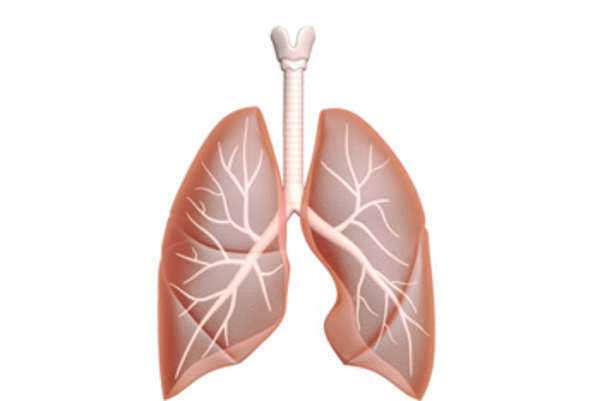
Lung cancer is one of the most prevalent asbestos related diseases and combined with asbestos and mesothelioma, contribute to a high mortality rate for those that have worked with asbestos for decades without adequate protection. The major risk from asbestos is the fact that it does not break down in the body, as it is a very durable compound. Instead, tiny asbestos particles will be stuck in the lining of the lungs where they will remain contributing to cancers and other disorders. Winning damages for asbestos related lung cancer is not difficult once asbestos has been confirmed present in your lungs and you have developed an illness because of it. You will be able to win damages for your ongoing medical bills associated with the lung cancer as well as compensation for the fact that you are no longer able to work.
How does asbestos get into the lungs?
Asbestos is an easily fractured mineral that occurs naturally in fibrous form. These fibers are made up of tiny biers that are not discernible by the human eye. The human hair can be almost four times thicker than the average asbestos contaminating fiber. The fiber will fracture according to its weakest side, which explains why most force will reduce the asbestos into small fibers.
Due to its small size, asbestos fibers will become airborne very easily and those without protection will inhale them. The asbestos fibers remain there for decades, eventually causing lung cancer. Those that have worked with asbestos in any form are especially at increased risk for lung cancer.
How do I reduce my risk of lung cancer due to asbestos exposure?
Studies have shown beyond a shade of doubt that smoking increases the risk of developing lung cancer for those that have been exposed to mesothelioma. Quitting smoking will reduce the potential to develop lung cancer.
Through asbestos testing of homes and workplaces will prevent everyday exposure that will surely sicken those that are exposed over time. Different states will have different regulations on the reporting and testing for potential asbestos dangers.
Which occupations are at risk for asbestos lung cancer?
Shipyard workers are affected in the greatest number from asbestos related illnesses. This includes many veterans and those that worked in shipyards during World War II. Asbestos on ships was used as weather proofing and fire retardant, both in spray form. Failure to provide masks of other equipment to prevent the inhalation of fibers during the application of the coating can be used to collect damages if lung cancer develops later on due to asbestos exposure.
Automobile workers may be at risk when they service brakes. Asbestos breaks wear out and create asbestos dust. Those that have worked with asbestos breaks extensively have inevitably inhaled harmful dust while working on asbestos brakes. Asbestos in brakes are technically still allowed in the United States and employers that do not adequate steps to prevent garage workers from potentially harming themselves will surely face civil liability if these workers develop lung cancer at a later date.