Asbestos in Fireproofing
📅 2026 Update: Recent Changes in Asbestos Regulations and Procedures
Since the original article was published, there have been no significant changes in U.S. federal asbestos regulations or state-specific asbestos abatement procedures as of October 2026. Readers can continue to refer to the earlier article for foundational information on asbestos in fireproofing and its health risks.
🏛️ Federal and State Regulations
As of 2026, U.S. federal asbestos regulations remain unchanged. State-specific procedures also have not seen significant updates. This stability is important for anyone dealing with asbestos abatement, as it provides a consistent framework for compliance.
📑 Notification and Permitting Fees
In the District of Columbia, projects requiring asbestos abatement, such as removing between 161 and 1,600 square feet of material, incur a fee of $641. In Delaware, while there is a notification fee for substantial asbestos removal work, the exact amount has not been specified.
⏰ Processing Times for Permits
The District of Columbia allows for expedited emergency asbestos abatement permits if an emergency waiver is provided. However, processing times for permits in Delaware are not specified, which may lead to uncertainties for project timelines.
🚧 Eligibility for Asbestos Abatement
In the District of Columbia, a permit is needed for removing at least 161 square feet of asbestos material. In Delaware, notification is required for substantial removal work, but specific eligibility rules remain unclear.
📞 Government Assistance
Residents in the District of Columbia can seek guidance from the Department of Energy and Environment for help with asbestos abatement procedures. Similarly, the Delaware Department of Natural Resources & Environmental Control offers information and possible assistance for property owners facing asbestos issues.
📌 Key Points Summary
- 🏛️ No significant changes in regulations since 2024.
- 💰 $641 fee for specific abatement in D.C.
- ⏰ Emergency permits available in D.C.
- 🚧 Specific eligibility rules vary by state.
- 📞 Government agencies provide assistance for property owners.
💡 Tips for Managing Asbestos in Fireproofing
Review the specifics of your situation with your attorney to ensure compliance with local laws and regulations regarding asbestos.
📝 Understand Abatement Procedures
Before starting any asbestos removal project, familiarize yourself with the abatement procedures in your state. Each state has different requirements and guidelines that must be followed for safe removal.
📅 Notify Authorities in Advance
In the District of Columbia and Delaware, a notification must be submitted at least 10 working days before beginning any substantial asbestos removal work. Ensure that you comply with this timeline to avoid penalties.
🏠 Identify Asbestos Locations
Asbestos may be found in various materials within homes, particularly those built before the 1980s. Common areas include insulation, flooring, and fireproofing materials. Conduct thorough inspections to identify potential hazards.
⚠️ Ensure Proper Disposal
When removing asbestos, it is essential to dispose of it correctly. Follow state guidelines to avoid contamination and ensure that the material is taken to designated disposal sites.
🛠️ Use Certified Professionals
If you suspect asbestos in your home or workplace, consider hiring certified professionals for assessment and abatement. They have the training and expertise to handle the material safely.
📞 Seek Government Assistance
Both the District of Columbia and Delaware have agencies that provide information and guidance on asbestos abatement. These resources can help you navigate the process effectively.
🏆 Free Options Ranked by User Reviews (2026)
No paid national services have met the review threshold for this topic, so this section focuses on free government and nonprofit resources available for asbestos management.
🥇 1. District of Columbia Department of Energy and Environment
The DOEE offers guidance on asbestos abatement procedures and requirements. They assist property owners with understanding local regulations and may provide additional support for abatement projects.
🥈 2. Delaware Department of Natural Resources & Environmental Control
The DNREC provides information on asbestos abatement processes and notifications required for removal work. They aim to help property owners navigate the state’s asbestos regulations effectively.
🥉 3. Environmental Protection Agency (EPA)
The EPA oversees the Asbestos Ban and Phase-Out Rule, which prohibits most asbestos-containing products. They provide resources and guidelines to help the public understand the health risks associated with asbestos exposure.
4️⃣ National Institute for Occupational Safety and Health (NIOSH)
NIOSH offers valuable information regarding occupational exposure to asbestos. They provide safety guidelines for workers and education on the health impacts of asbestos exposure.
5️⃣ Asbestos Hazard Emergency Response Act (AHERA)
AHERA requires schools to manage and reduce asbestos exposure risks. They provide resources that help schools comply with regulations and protect students and staff from asbestos hazards.
🔎 What to Check Before Paying for Help
- 🏛️ Verify any organization's credentials and compliance with state regulations.
- 📄 Check for reviews or testimonials from past users.
- 📞 Confirm the types of services offered and whether they meet your needs.
- 💼 Ensure that the organization is knowledgeable about local asbestos laws.
❓ Frequently Asked Questions
🔍 What are the health risks of asbestos exposure?
Exposure to asbestos can lead to serious health conditions, including mesothelioma and lung cancer. Long-term exposure increases these risks significantly.
🏠 How can I identify asbestos in my home?
Asbestos may be found in insulation, flooring, and fireproofing materials in homes built before the 1980s. If you suspect its presence, consider hiring a certified professional for an assessment.
📅 How long does the abatement process take?
The time required for asbestos abatement varies by project size and complexity. In some areas, emergency permits can speed up the process.
⚠️ Can I remove asbestos myself?
In some states, homeowners may remove asbestos themselves, but they must follow specific procedures to ensure safety and compliance. Check local regulations before proceeding.
💰 What are the costs associated with asbestos removal?
Costs can vary widely based on the amount of asbestos and the complexity of the removal. In the District of Columbia, a fee of $641 applies for certain abatement projects.
📞 Where can I find help with asbestos abatement?
Government agencies like the District of Columbia's DOEE and Delaware's DNREC provide information and assistance for property owners dealing with asbestos-related issues.
⚖️ Recent Cases Related to Asbestos
Recent court rulings highlight ongoing legal actions surrounding asbestos exposure and health risks. These cases often involve claims for damages due to exposure in various settings, including workplaces and residential areas.
- Court rules teacher entitled to sick leave after COVID-19 exposureNew Jersey Superior Court Appellate Division · April 6, 2023
- Texas Court of Appeals extends abatement in Hughes caseTexas Court of Appeals, 3rd District (Austin) · May 26, 2026
- Illinois Court Upholds Jurisdiction in Asbestos Case Against Japan BrakeAppellate Court of Illinois · September 8, 2026
- Hawaii Supreme Court Rules on Toxic Tort Case CausationHawaii Supreme Court · September 21, 2026
For further exploration of recent rulings, check more rulings on the news page.
End of October 2026 Update
For centuries, the fireproofing qualities of asbestos has been common knowledge, with even the ancient Greeks and tribes living in Finland using asbestos as lamp wicks and coating cooking utensils with the fibrous material. Later applications would find the incredibly adaptive applications of asbestos also include rendering it into a powdered form and using that form, with a few other materials to make a largely fireproof compound. Asbestos as a fireproofing material was widespread and was used to stuff pillows, coat structures and fire proof ships.
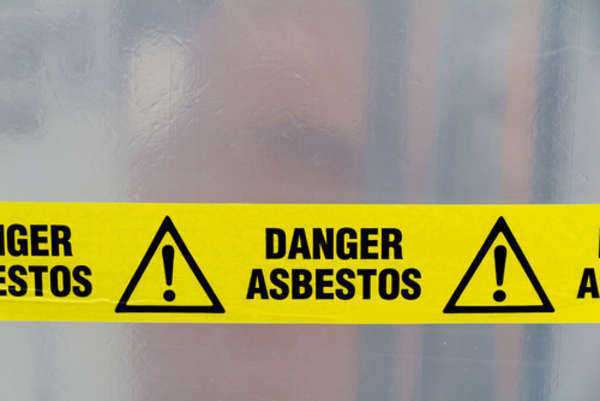
Asbestos fireproofing through history
Asbestos was regarded as a curiosity prior to the Industrial Era with its name derived from the Greek name for the mineral. They were among the first to study the properties of asbestos. Persian royalty kept asbestos napkins, which they were able to clean by dropping it in fire. This led to the belief that asbestos was derived from the fur of the salamander, which is of course a myth. Salamanders do not have fur and are not fireproof.
Asbestos had no other practical applications until the 1850 when many started to realize that asbestos could trap head and made an excellent insulator. From this discovery, asbestos became the material of choice to not just because of its insulating qualities, but also because it could resist heat, fire and water. Soon asbestos was used to coat steam engines and machinery as well as structures.
What makes asbestos fireproof?
Before asbestos had practical use, some kingdoms that cremated their royalty wrapped the bodies in an asbestos shroud. The shroud would not burn, but the body would turn to ash, yet not mix with the wood or other materials used in the cremation. The reason why asbestos cannot burn is due to silicon content. All forms of asbestos vary in composition with some having or combining iron, magnesium or sodium. All forms of asbestos will however, contain traces of oxygen, hydrogen and silicon. What is also common among all forms of asbestos is that the silicon is bonded with the oxygen. Fire needs oxygen to burn but since this oxygen is in a strong chemical bond, it is effectively fireproof. This is called oxidation. Glass is similar to asbestos in this respect. Under extremely high temperatures, both substances will melt rather than catch fire.
Such was the durability and flexibility of asbestos that they idea of printing paper money on it was seriously considered. This is of course, before the true danger posed by asbestos was recognized.
What are types of asbestos fireproofing?
The fibrous type of fireproofing consisted of asbestos wool or bundled asbestos fiber. This served a dual purpose of insulating the structure and preventing the spread of fire. Asbestos fire proofing can also be applied by mixing it with concrete and this is considered among the safer ways to use asbestos to fireproof a structure. Mixing the asbestos fireproofing with plaster is also considered an acceptable application.
How was asbestos fireproofing installed?
There are a number of ways to fireproof something with asbestos. The fasts and easiest way, and coincidentally most hazardous application, was to create a spray able or semi-solid compound. This compound could be applied to any surface for instant fireproofing. This includes plaster, weatherproofing compounds, joint compound and fireproof coating with fluorite. This sort of coating is liable to break down over time and is generally “friable,” meaning that asbestos fibers may break off from the composite and find its way into the air.
The most popular means of fireproofing was “popcorning,” which involved spraying ceilings and sometimes walls with an asbestos mixture. Usually walls are plastered, but a quick fireproofing treatment could have been used as well. This process is called popcorning for the attractive, popcorn-like texture that remains after the process is over. Popcorning was done between the 50’s and 70’s and is fairly prevalent. Like plaster, this is likely to crumble and expose you to dangerous microfibers.
Another application involves sealing or mixing the asbestos into a durable compound, such as concrete. This also applied to vinyl flooring and wallpaper. Not only was this material durable, but it would also be fire resistant. Due to the nature of this fireproofing, it is not typically dangerous to occupants. The only caveat is if this material is damaged, degraded or compromised in any way, then there is a chance that it will become friable and potentially sicken those that are exposed to it.
How do I remove asbestos fire proofing?
You should actually not remove asbestos fire proofing if it is sealed into a compound. Understand that removing asbestos tends to release a large amount of the fibers into the air. Therefore, there is no reason to expose yourself needlessly to the toxic material.
If the material is indeed friable, such as a popcorn ceiling, you must not attempt to remove it yourself. Asbestos is easily broken and inhaled. You will not see the particles and there will not be telltale residue. Asbestos is small and hair-like and will lodge in your lungs as it shape is well suited to do so. In fact, most individuals have trace amounts of asbestos in their lungs due to it being naturally occurring. Still, you do not want to expose yourself to a higher than typical concentration of the dangerous particles.
Asbestos fireproofing is removed by soaking it and carefully scraping it off the surface. You will then need to dispose of the waste in accordance with federal regulations on hazardous waste. Do not attempt to remove asbestos on your own if you are not experience to do so. Proper asbestos removal requires special equipment and training. The Occupational Safety and Health Administration sets safety regulations for abatement works and monitors their health for potential issues that would affect all others working in abatement. Micro particles inevitably escape during removal, and abatement specialists will use HEPA filters and powerful vacuums to collect the errant fibers.
Alternatively, asbestos fireproofing can be secured by sealing it with another compound. This compound prevents the escape of fibers, as long as it is not tampered with. This may be a desirable alternative than undertaking a substantial construction project.
All asbestos containing materials, especially asbestos fireproofing, must be completely removed before a demolition of a structure can take place.
What problems does asbestos fireproofing cause?
Asbestos is the sole cause of mesothelioma, a cancer of the lining of the lungs and diaphragm that suffocates and constricts the lungs. Those that have worked continuously with asbestos fireproofing are likely to develop this illness later on in life. The asbestos fibers remain as an irritant for decades after inhalation, encouraging malignant cell growth and gradually weakening the individual. Inevitably, the victim will be lethargic, lose weight, be unable to drain fluid from the lungs and will potential due from either the condition or a secondary infection.