West Virginia Asbestos Laws
📅 2026 Update: Recent Changes in West Virginia Asbestos Laws
Since the original article was published, several important changes have occurred regarding asbestos regulations. The U.S. Environmental Protection Agency (EPA) has implemented new rules to ban chrysotile asbestos, which directly impacts asbestos use and disposal.
Readers can find more details in the earlier sections of the article below.
🏛️ New EPA Regulations
In March 2024, the EPA finalized a rule that prohibits the manufacture, import, processing, distribution, and commercial use of chrysotile asbestos. This ban became effective on May 28, 2024. This change is a significant step towards reducing risks associated with asbestos exposure.
- 📅 Specific Products Affected: Beginning November 25, 2024, the ban also extends to specific products, including oilfield brake blocks and aftermarket automotive brakes. This is intended to further limit exposure in everyday items.
⚖️ Legal Challenges
In August 2025, the Fifth Circuit Court of Appeals temporarily paused consolidated legal challenges to the EPA's chrysotile asbestos ban. The pause allowed the EPA to reconsider the rule under the current administration.
🗓️ Upcoming Developments
The EPA's rulemaking process has faced delays. The deadline to propose a risk-management rule passed without action. The agency's current agenda projects a Notice of Proposed Rulemaking (NPRM) by February 2027 and a final rule by March 2028.
♻️ Asbestos Waste Disposal Requirements
As of November 25, 2024, there are specific requirements for disposing of chrysotile asbestos and asbestos-containing products. Compliance with the Asbestos General Industry Standard and federal waste disposal regulations is now mandatory for all involved in the disposal process.
📌 Key Points
- 📅 EPA banned chrysotile asbestos as of May 28, 2024.
- ⚖️ Ongoing legal challenges may affect these regulations.
- 🗓️ Future EPA rules are expected by early 2027.
- ♻️ New disposal requirements for asbestos will apply to all entities.
💡 Tips for Handling Asbestos Exposure
Review your specific situation with your attorney to understand how these changes may affect you.
🧩 Understand the Risks
Asbestos exposure can lead to serious health issues, including mesothelioma. Knowing the risks associated with asbestos is crucial for anyone who may come into contact with it.
🏢 Follow Regulations
Stay updated on local and federal regulations regarding asbestos. The EPA provides resources on safe handling and disposal that should be followed closely.
📄 Utilize Available Resources
Organizations like the Asbestos Disease Awareness Organization (ADAO) offer resources for individuals affected by asbestos-related diseases. They provide support and advocacy for those impacted.
♻️ Proper Disposal Methods
If you are involved in the disposal of asbestos, ensure you comply with the updated disposal requirements. This includes adhering to the Asbestos General Industry Standard and federal waste disposal regulations.
🧪 Report Exposure
Manufacturers and processors of asbestos are required to report exposure-related information to the EPA. This helps track and manage asbestos use and exposure risks.
📞 Seek Professional Help
For legal matters related to asbestos claims or exposure, consider consulting professionals who are knowledgeable in asbestos laws and regulations.
❓ Frequently Asked Questions
⚠️ What are the health risks associated with asbestos exposure?
Asbestos exposure can lead to severe health issues, including lung cancer and mesothelioma. These diseases can take years to develop after exposure.
🏗️ How do I dispose of asbestos safely?
Disposing of asbestos safely involves following strict regulations. Compliance with the Asbestos General Industry Standard and federal waste disposal rules is essential.
📅 What recent changes have been made to asbestos regulations?
The EPA has implemented a ban on chrysotile asbestos effective May 28, 2024. This ban includes specific products and has been subject to legal challenges.
🏛️ Are there resources for those affected by asbestos-related diseases?
Yes, organizations like the Asbestos Disease Awareness Organization (ADAO) provide resources and support for individuals impacted by asbestos-related diseases.
💼 How can I report asbestos exposure?
Manufacturers and processors must report exposure-related information to the EPA under the Toxic Substances Control Act. This includes details on quantities used and employee data.
⚖️ What should I know about mesothelioma claims?
Mesothelioma claims often involve navigating complex legal procedures. Understanding the laws in your state and seeking knowledgeable assistance is crucial.
⚖️ Recent Court Cases Related to Asbestos
Recent court rulings have addressed various issues related to asbestos exposure and regulation. These rulings can impact the enforcement of laws and the rights of those affected by asbestos.
- Texas court continues abatement in landfill dispute caseTexas Court of Appeals, 3rd District (Austin) · August 28, 2026
- Texas Court Rules on Radiation Exposure Malpractice CaseTexas Court of Appeals, 15th District · August 25, 2026
- Court Denies Centerline Logistics' Request to Halt OSHA CaseDistrict Court, District of Columbia · August 18, 2026
- Texas court dismisses appeal over nuisance abatement orderTexas Court of Appeals, 4th District (San Antonio) · August 5, 2026
For more recent rulings, visit the news section for more rulings on the news page.
End of October 2026 Update
West Virginia’s industries, primarily coal and lumber are two industries that are infamous for asbestos contamination. Asbestos will be present in coal deposits and asbestos was long as used as insulation and fireproofing for both mining and logging machinery. This compounded by the use of asbestos in related buildings, such as power plants, lumber mills and coal refineries. Long term exposure to asbestos greatly increases the risk of cancer as well as asbestos related illnesses.
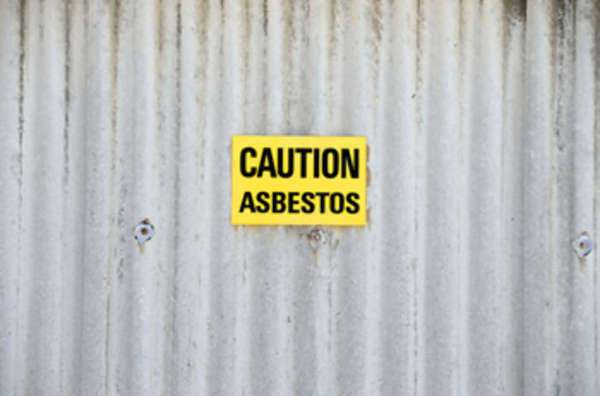
Asbestos in mining
Asbestos occurs naturally, but is generally indurate and not harmful to those that come into contact with it. This changes as soon as mining activities take place in that area. Coal mining will breach the asbestos deposits are breached and break apart, as fibrous material is naturally inclined to do. When this contamination happens in mine shafts, the risks are amplified by a lack of ventilation. Often in mine shafts with asbestos contamination, the poor ventilation leads to a very high concentration of micro asbestos fibers, which cannot be seen by the human eye. Coal miners will find a few decades later that long term exposure to coal dust that contained asbestos fibers will cause a number of respiratory illnesses, all of which could have been prevented with proper safety equipment.
Asbestos machinery
Asbestos has long been used to insulate machinery. Asbestos does not conduct electricity, insulates heat and like glass, will disintegrate rather than melt under high heat. The problem with this application is that asbestos is a friable material that breaks apart without much effort. Generally, for many applications, it merely requires nominal pressure from a human hand. Although the machine insulation is likely to be more durable when mixed with other compounds, if the material still contains at least 1% asbestos by weight, it represents a health hazards to workers as its wears down. Asbestos insulating materials will be found on machinery in coal refineries, power plants and lumber mills.
Asbestos had also found use in the steel working industry for heat proofing. Many metal working plants had employers asbestos insulation and many steelworkers consequently have developed asbestos related illness.
Asbestos laws
West Virginia asbestos laws largely follow federal statutes for asbestos abatement, disposal and worker safety. Classifications of asbestos containing materials are also based on the federal distinctions between friable and non-friable material. Notification West Virginia asbestos laws also require most structures, excluding most residences, to notify the state before undergoing asbestos abatement. Individuals may remove asbestos from their homes, but are advised against doing this. All others must notify the West Virginia Radiation, Toxics and Indoor Air Division.
State agencies
There are two state agencies that work to enforce West Virginia asbestos laws. As mentioned before, the WVRTIAD will collect notifications of asbestos abatement, maintain records of those that are licensed in a specific asbestos profession, and facilitate the training of new asbestos professionals. The West Virginia Department of Environmental Protection will prevent violation of federal law by providing procedure to dispose of asbestos waste accordingly.