Asbestos Professionals
📅 2026 Update: Asbestos Management and Health Risks
Since the original article on asbestos professionals was published, there have been important changes in the landscape of asbestos regulations and services. Various state laws may have been updated, and new resources for managing asbestos exposure have emerged. The information in the original article is still relevant and continues further down this page.
🌍 Overview of Asbestos Regulations
Asbestos regulations in the U.S. can vary by state and have likely changed since 2024. It's essential to be aware that each state may have its own guidelines regarding asbestos exposure and management. Consulting state health departments can provide updated regulations that may not align with federal standards.
📊 Recent Service Ratings
As of October Trustpilot reviews show services focused on asbestos sampling and consultancy. These services are crucial for assessing and managing asbestos risks. The ratings reflect user experiences but can fluctuate, so users should consider the entire context of reviews.
🏥 Health Risks and Support Resources
Asbestos exposure is linked to serious health issues, including mesothelioma. Nonprofit organizations like the Asbestos Disease Awareness Organization provide valuable support and educational resources for those affected by asbestos-related diseases. These organizations can help individuals understand their rights and options for assistance.
🔍 Understanding Abatement Rules
Abatement rules differ by state and are critical for safe asbestos removal. Understanding these rules can help ensure compliance and protect the health of workers and residents. Always refer to state-specific guidelines to stay informed about the latest requirements.
📌 Key Points
- State laws on asbestos can change frequently.
- Trustpilot ratings reflect user experiences but should be viewed in context.
- Nonprofits offer support for those affected by asbestos-related diseases.
- Abatement rules vary by state and are essential for safe removal practices.
- Always consult state health departments for the latest regulations.
💡 Tips for Managing Asbestos Exposure
Review your situation with an attorney to understand your options regarding asbestos exposure and claims.
🏠 Assess Your Environment
Regularly check for potential asbestos in older homes or buildings. If you suspect asbestos, it's crucial to seek professional testing to confirm its presence and evaluate risks.
🧪 Utilize Testing Services
Consider using accredited asbestos sampling services for accurate testing. Reliable testing can help identify hazardous materials and inform safe removal plans.
🌱 Stay Informed on Regulations
Keep up with local and federal asbestos regulations. This knowledge is vital for ensuring compliance and protecting yourself and others from exposure.
🛠️ Hire Qualified Professionals
When dealing with asbestos, hire certified professionals for abatement. They have the training and tools needed to safely remove asbestos while minimizing risk.
📞 Seek Support from Nonprofits
Reach out to nonprofit organizations for guidance and support. These groups can provide resources and information to help navigate the complexities of asbestos-related issues.
❓ Frequently Asked Questions
🏥 What health risks are associated with asbestos exposure?
Asbestos exposure can lead to serious health issues like mesothelioma and lung cancer. These conditions may take years to develop, making early detection and management crucial.
📜 How can I find out if my home has asbestos?
To find out if your home contains asbestos, hire a professional asbestos testing service. They can conduct a thorough assessment to identify any hazardous materials.
⚖️ What are the legal options for mesothelioma claims?
Individuals diagnosed with mesothelioma may have legal options for compensation through lawsuits or asbestos trust funds. Consulting legal resources can provide insight into these processes.
🛠️ Are there specific abatement rules I should know about?
Yes, abatement rules vary by state and are important for safe removal. Always check local regulations to ensure compliance during asbestos management.
🤝 How can nonprofits assist those affected by asbestos?
Nonprofits like the Asbestos Disease Awareness Organization offer resources, support, and information to individuals affected by asbestos exposure. They can also help connect you with legal services.
🏢 What steps should be taken in a workplace with asbestos?
In workplaces with asbestos, it’s critical to follow OSHA guidelines. Conduct regular assessments, provide training for employees, and ensure safe removal practices are in place.
⚖️ Recent Cases Related to Asbestos
Recent court rulings highlight ongoing legal issues surrounding asbestos exposure and claims. These cases may affect how future claims are managed and the rights of those exposed.
- Court Denies Centerline Logistics' Request to Halt OSHA CaseDistrict Court, District of Columbia · August 18, 2026
- Texas court dismisses appeal over nuisance abatement orderTexas Court of Appeals, 4th District (San Antonio) · August 5, 2026
- Court rules against government in OSHA penalty collection caseCourt of Appeals for the Eighth Circuit · July 1, 2026
- Court affirms dismissal of toxic exposure claims against LockheedCourt of Appeals for the Eleventh Circuit · July 28, 2026
For more details, browse recent rulings on the news page.
End of October 2026 Update
What does an Asbestos Professional Do?
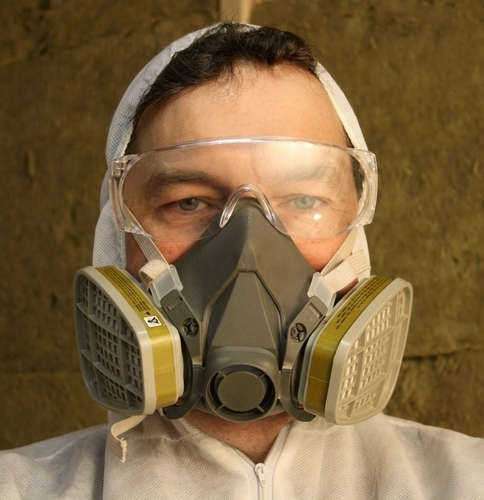
Asbestos professionals are certified individuals responsible for removing, testing and inspecting asbestos in residential and commercial properties. Because asbestos presents numerous health risks, hiring a professional is highly recommended for renovation, demolition or abatement projects. Note, an asbestos professional will only be required in these instances if the targeted area contains asbestos. Typically newer dwellings or properties will not contain asbestos products; however, if your property is old, you should contact an asbestos professional to inspect your area for the harmful mineral.
Asbestos professionals may be hired to conduct home inspections, assess a property’s condition, take samples of suspicious materials and provide advices regarding what corrections are needed and who is qualified to complete said corrections. Material in good condition (undisturbed, new or boarded off) will not need to be sampled unless it is likely to be disturbed in the future. Professional asbestos personnel (licensed correction agents or abatement contractors) are required if you plan to remove or repair asbestos materials.
Some professional asbestos companies or firms will offer a combination of assessment, testing and corrective practices. An asbestos professional, in the majority of situations, is hired to assess the need for corrective actions. That being said, corrective actions must never be connected with an asbestos-corrective firm—one should use two different asbestos professional firms to eliminate a conflict of interest. Moreover, asbestos professional services will vary from jurisdiction to jurisdiction and from state to state around the country.
How Do I Research Asbestos Professionals?
The United States federal government implements training courses for asbestos professionals around the country. Furthermore, some state and local governments in the U.S. also have or require certification or training courses. Before hiring an asbestos professional, you must ask the individual to document their completion of federal or state-approved asbestos training. Each individual working in your home or place of business should provide you with licensing and proof of training in asbestos work, including their completion of training approved by the United States Environmental Protection Agency. Local and state departments or EPA regional offices may provide listings of all licensed asbestos professional in your region.
If you have an asbestos-related problem that requires the service of an asbestos professional, you must check their credentials carefully. You should only hire asbestos professionals who are experienced, reputable, trained and accredited—especially if accreditation is mandated by your local or state law. Before hiring the asbestos professional, you should ask for references from previous clients. Find out if these individuals were satisfied with the asbestos professional’s work. You should ask whether the particular asbestos professional has handled similar situations in the past. After you secure this information, you should secure cost estimates from a number of asbestos professionals in your area. Asbestos professionals do not operate under a uniform pricing model—charges for asbestos services will vary.
Although private residences are typically not covered by asbestos regulations that apply to commercial buildings or schools, asbestos professionals should still operate under procedures described during state or federal-approved asbestos training courses. A homeowner, therefore, must be alert to the chance of fraudulent claims filed by asbestos contractors and consultants. There have been multiple reports of asbestos firms incorrectly claiming that asbestos products or materials in private homes must be replaced. In other situations, asbestos firms have encouraged an unnecessary removal of asbestos or have performed necessary asbestos removals in an inefficient or costly manner. An unnecessary removal of asbestos is an enormous waste of money. An improper removal, also, may actually increase the health risks to you and your loved ones. To protect against fraudulent activity, you must understand what asbestos services are available and what procedures and/or precautions should be applied to do the job efficiently and properly.
In addition to a general asbestos contractor, you may need flooring, roofing or plumbing contractor who is specially trained to handle asbestos materials. These individuals are needed if your job requires removal or replacing flooring, roofing, siding or other asbestos materials that are attached to your home. In most situations, flooring and roofing contractors are exempt from local and state asbestos licensing requirements. These credentials are not needed because roofing and flooring professionals do not perform any other asbestos-correction work.
In addition to homes or office buildings, many old cars contain asbestos. An asbestos-containing vehicle will have asbestos dust on its brake pads, clutch facings, gaskets and linings. If you own an old vehicle you should hire an asbestos professional to inspect for the presence of the deadly mineral. If asbestos is found in your automobile, you should have it repaired and replaced by an asbestos professional. The individual will use special equipment to remove the asbestos.
If you Hire a Professional Asbestos Inspector You must:
•If you hire a professional asbestos inspector you must first make sure that the inspection includes a complete visual examination of the suspected area. Moreover, you must make sure that the individual partakes in a thorough and careful collection of the materials. Following collection, you must ensure that the asbestos professional conducts thorough lab analysis on the suspicious material. Make sure you get everything in writing; you do not want to be left in the dark during any portion of this process. If asbestos materials are present, the asbestos professional must provide you with a written evaluation describing the location and extent of asbestos damage. The asbestos professional must also provide you with recommendations for prevention and/or asbestos correction.
•When hiring an asbestos professional you must make sure that the individual’s firm makes frequent visits to the site. If the asbestos professional is hired, the firm must assure that an asbestos contractor will follow through with proper procedures and requirements. The asbestos inspector will recommend and perform a series of evaluations once tests are conducted to assure the questionable area has been thoroughly cleaned.
If you Hire a Corrective Action Asbestos Contractor You Must:
•If you hire a corrective action asbestos contractor you must first check with your local air pollution control board, the Better Business Bureau and the local agency responsible for worker safety. These organizations will affirm the corrective action asbestos contractor’s licensing and certification—if the asbestos professional has not fulfilled eligibility requirements these organizations will reflect his fraudulent standing.
•After you affirm the asbestos professional’s credentials, you must insist that the asbestos contractor use the proper equipment to complete the job in an efficient manner. All asbestos workers must wear approved gloves, respirators and other protective clothing, such as masks and boots.
•Before the work commences, you should secure a written contract specifying the work plan, its cleanup and the applied federal, state and local asbestos regulations which the asbestos professional must adhere to. Examples of these regulations include notification requirements and suitable asbestos disposal procedures. To get an extensive list of these asbestos laws you must contact your state and local health departments, as well as the Environmental Protection Agency’s regional office and the Occupational Safety and Health Administration’s local office to understand applicable asbestos procedures. Lastly, ensure that your asbestos contractor follows all local asbestos removal and disposal laws. Failure to adhere to said regulations may result in hazardous practices, which in turn, can lead to legal action. When the job is finished, you must secure written assurance from the asbestos contractor stating that all procedures have been properly followed.
•After the above steps have been taken, you must assure that the asbestos contractor avoids tracking or spreading asbestos fibers (dust) into other areas of your property or home. Your hired asbestos professionals are required—by federal and the bulk of local asbestos laws—to seal the work area from the rest of the property, by using plastic sheeting duct tape. Asbestos professionals are also required—by federal and the bulk of state asbestos laws—to turn off the air conditioning and heating systems. (The air propulsion from these systems will spread asbestos particles into other areas of the home if turned on.) For certain asbestos repairs, such as pipe insulation sealing or removal, plastic glove bags may be sufficient. Regardless of the particular asbestos project, all asbestos professionals must seal the targeted areas with tape and properly dispose of all asbestos-containing materials when the work is completed.
•You must insist that the asbestos contractor applies a wetting agent to the asbestos-containing materials. Wetting agents lessen the probability of asbestos becoming airborne. An asbestos professional should use hand sprayers to create a fine mist before asbestos removal takes place. Wet asbestos fibers are impeded from floating air. Moreover, soaked asbestos fibers are easy to remove and pick-up once they become fragmented. Remember, asbestos, when left alone, does not pose a risk to humans; however, when the material is damaged it propels cancerous particles into the air. When these particles are inhaled they are susceptible to sticking to the linings of the lungs. When this occurs, protective tissues in the lungs are damaged, leading to significant health problems.
•When hiring an asbestos professional you must make sure that the work site is clearly labeled as a hazard area. You must not allow household members and/or pets into this area until the work is completed.
•You must make sure that the asbestos contractor does not break any asbestos materials into smaller pieces. As mentioned above, a damaged asbestos product represents a huge health risk. Damaging asbestos materials may lead to the release asbestos fibers into the air.
•When the asbestos project is finished, you must assure that the asbestos contractor cleans the area with wet rags, wet mops, sponges and High Efficiency Particular Air Vacuum cleaners. Standard vacuums cannot be used to clean an asbestos site. Additionally, wetting the agents will help reduce the chance of asbestos fibers becoming airborne. All asbestos materials and disposable asbestos equipment, as well as clothing, must be placed in sealed and labeled disposable bags. The asbestos work site must be visually free of asbestos dust and/or debris. To make sure there is no increase of asbestos dust into the air, an air monitoring machine may be required to assure that the asbestos contractor’s job is thoroughly finished. This machine should only be utilized by an asbestos professional who is not hired by or connected to the contractor.