Texas Asbestos Laws
📅 2026 Update: Recent Changes in Texas Asbestos Laws
Since the original article on Texas asbestos laws was published, there have been important changes regarding asbestos regulations and health risks. These updates impact how asbestos is managed and the legal landscape for those affected by asbestos exposure. The earlier article continues further down the page, providing additional information on state-specific laws and regulations.
🏛️ New Federal Asbestos Regulations
The U.S. Environmental Protection Agency (EPA) has taken significant steps to ban chrysotile asbestos. The ban, effective from May 28, 2024, prohibits its manufacture, import, and use in various products.
This move aims to reduce the risks associated with asbestos exposure.
- 📅 Prohibitions Expanded: On November 25, 2024, the EPA extended the ban to include chrysotile asbestos in specific products like oilfield brake blocks and gaskets. This marks a stricter approach to asbestos regulation.
♻️ Asbestos Waste Disposal Changes
As of November 25, 2024, there are new requirements for asbestos waste disposal. Individuals and entities must follow the Asbestos General Industry Standard and specific disposal guidelines under federal regulations.
- ❗ Compliance Required: Failure to comply with these disposal requirements can result in penalties. Understanding these regulations is crucial for safe handling and disposal of asbestos materials.
📊 Reporting Requirements Update
Between February 24 and May 24, 2024, manufacturers and processors of asbestos were required to report exposure-related information. This included data on the quantities of asbestos used and employee exposure details.
- 🔍 Transparency in Reporting: These reporting requirements aim to enhance safety and inform regulatory actions related to asbestos.
⚖️ Ongoing Legal Challenges
In August 2025, the Fifth Circuit Court of Appeals placed legal challenges to the chrysotile asbestos ban on hold. This pause allows the EPA to reconsider the rule under the current administration, impacting how regulations may evolve.
- ⚡ Pending Lawsuit: As of April 21, 2026, a lawsuit has been filed by the Asbestos Disease Awareness Organization to compel the EPA to act on missed deadlines related to asbestos risk evaluation.
📌 Key Points to Remember
- 🚫 New bans on chrysotile asbestos are now in place.
- 📜 Asbestos waste disposal requires strict compliance with updated regulations.
- 📊 Reporting requirements for asbestos exposure were enforced in early 2024.
- ⚖️ Legal challenges to the EPA's asbestos regulations are ongoing.
💡 Tips for Understanding Asbestos Laws
It is crucial to review your specific situation with an attorney.
📖 Understand Federal and State Regulations
Familiarize yourself with both federal and Texas state regulations on asbestos. Each may have different rules affecting how asbestos is handled or reported.
⚠️ Know Your Rights
If you have been exposed to asbestos, understand your rights regarding health risks and potential legal claims. Research resources available for those affected by asbestos-related diseases.
🏢 Workplace Safety Rules
Employers must follow workplace safety rules regarding asbestos. Ensure that your workplace complies with regulations to protect employees from exposure.
♻️ Safe Disposal Practices
If you handle asbestos, follow safe disposal practices as outlined in the Asbestos General Industry Standard. Proper disposal is critical to prevent environmental contamination.
📝 Stay Informed About Legal Changes
Keep up to date with new regulations and legal developments related to asbestos. Changes in laws can affect your rights and obligations.
❓ Frequently Asked Questions
❔ What is the current status of chrysotile asbestos regulations?
The EPA has implemented a ban on chrysotile asbestos, effective May 28, 2024. This ban prohibits its manufacture, import, and use in various products.
📅 How can I safely dispose of asbestos?
Disposal of asbestos must comply with the Asbestos General Industry Standard and specific federal requirements. It's essential to follow these standards to avoid penalties.
📊 Are there legal actions against the EPA regarding asbestos regulations?
Yes, there are ongoing legal challenges to the EPA's chrysotile asbestos ban. The Fifth Circuit Court of Appeals has placed these challenges on hold for reconsideration.
⚖️ What are my options if I have been exposed to asbestos?
Individuals exposed to asbestos may file claims for health issues related to exposure. Understanding your rights and available resources is crucial.
🏢 What should employers know about asbestos safety?
Employers must comply with workplace safety regulations regarding asbestos to protect employees. This includes proper handling and disposal practices.
📅 How often are asbestos regulations updated?
Asbestos regulations are subject to change based on new research and legal challenges. Staying informed about updates is crucial for compliance and safety.
⚖️ Recent Cases Related to Asbestos
Recent court rulings have focused on asbestos regulations and exposure claims, impacting how claims are handled and the enforcement of safety standards.
- Court Denies Centerline Logistics' Request to Halt OSHA CaseDistrict Court, District of Columbia · August 18, 2026
- Texas court dismisses appeal over nuisance abatement orderTexas Court of Appeals, 4th District (San Antonio) · August 5, 2026
- Court rules against government in OSHA penalty collection caseCourt of Appeals for the Eighth Circuit · July 1, 2026
- Court affirms dismissal of toxic exposure claims against LockheedCourt of Appeals for the Eleventh Circuit · July 28, 2026
You can browse more rulings on the news page for updates on recent developments in asbestos-related cases.
End of October 2026 Update
The state of Texas has one of the highest rates of asbestos related illness in the country due to its mining and other industries. This has led to a strict set of Texas asbestos laws, based on federal regulations that provide for the training of asbestos personnel, asbestos abatement procedure and notification requirements. The Texas Department of State Health Services will manage most aspects of Texas asbestos laws.
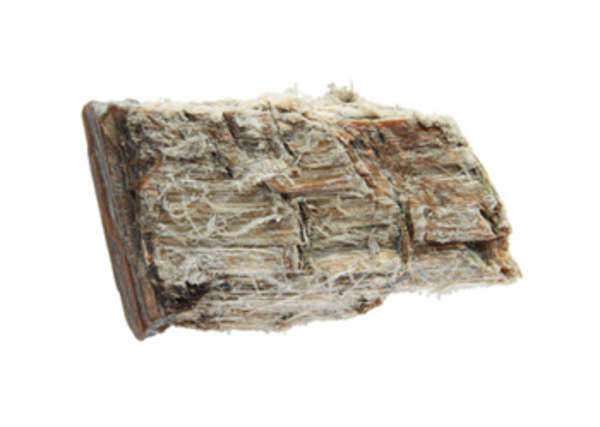
Contamination sites in Texas
Many refineries in Texas have used asbestos fireproofing and insulation, usually at the detriment of the employees that worked there. Workers in these industries have a much higher rate of developing lung cancer and asbestos related illness. Like those that have been sickened as a result of working in the shipyards, poor ventilation and a lack of safety equipment have all contributed to the spike of asbestos related illnesses of workers in these industries.
Contamination of Texas houses includes applications such as plaster, wooly insulation, tiles and soundproof ceilings, as well as roofing and siding outside the house. Not all applications of asbestos are immediately dangerous. As long as the asbestos remains within the home in a sealed container or indurate material, the harmful material poses no risk of becoming airborne. The only exception is when these materials are breached during renovation. No asbestos containing materials are allowed in a structure undergoing demolition. Some materials may remain in the building if it is undergoing renovation and the materials will not be disturbed
Inspections
Although most homeowners are exempt form safety provisions in the Texas asbestos laws, you should locate an asbestos inspector to identify possible sources of contamination in homes. Self-asbestos abatement is dangerous for a number of reasons, not the least of which is the fact that improperly removing asbestos containing materials leads to the release of asbestos fibers. While this exposure is nominal, it will exacerbate existing respiratory illness and long term exposure will cause an increased risk for cancer.
Regulated asbestos containing material
RACMs are any asbestos material that is friable and contain more than 1% asbestos by weight. All RACMs must be subject to asbestos abatement, as per the provisions of Texas asbestos laws. Some non-friable asbestos are considered RACMs when they are modified or damaged. All RACMs are subject to disposal and safe abatement regualtions.
Asbestos litigation
Texas has some tort reform laws that may limit your ability to collect damages. Most notable, the loser must pay the legal fees for the winner of the lawsuit. There are other laws that specifically limit personal injury claims. You will need to speak with a Texas asbestos litigation specialist to determine if you have a claim that has merit. The case must proceed in Texas if the exposure occurred in that area of Texas. In addition, the state has passed laws capping non-economic damages to discourage other litigation to be filed against those that have violated teas asbestos laws.