Indiana Asbestos Abatement Procedure
📅 2026 Update: Changes in Indiana Asbestos Abatement Procedures
Since the original article was written, there have been important updates regarding asbestos abatement procedures in Indiana and across the U.S. Asbestos regulations continue to evolve, reflecting growing awareness of health risks and safety measures. The details provided below will help clarify the current landscape, while the earlier article continues further down the page.
🏗️ Federal and State Regulations
Federal regulations remain under the Environmental Protection Agency (EPA), which oversees asbestos procedures. The National Emission Standards for Hazardous Air Pollutants (NESHAP) still require that only certified professionals handle asbestos removal. Each state, including Indiana, has its own specific regulations that can vary significantly.
It's essential to check with local authorities for the most current details.
🔍 Abatement Procedures Overview
The general steps for asbestos abatement have remained largely the same. These include inspection, risk assessment, planning, removal, and disposal. Certified professionals must conduct these tasks to ensure safety and compliance with regulations.
The emphasis on safety has increased due to rising health concerns associated with asbestos exposure.
💰 Cost Changes
Asbestos abatement costs fluctuate based on project specifics. As of 2026, homeowners might expect to pay between $1,500 and $3,000 for small-scale projects. Larger jobs can exceed these figures.
It's wise to obtain multiple quotes from certified contractors to gauge the best option for your needs.
⏳ Processing Times
Processing times for asbestos projects can vary significantly. Smaller residential jobs may take only a few days, while larger commercial endeavors can extend for weeks. The need for permits and inspections can also impact timelines, making planning essential.
📉 Financial Assistance Availability
Financial assistance for asbestos abatement continues to vary by state. Some states offer grants or low-interest loans for homeowners, especially those with low incomes. Checking with local health departments or environmental agencies for current programs and deadlines is crucial.
📌 Key Points Summary
- Federal regulations require certified professionals for asbestos removal.
- Abatement procedures include inspection, risk assessment, planning, removal, and disposal.
- Costs for small-scale abatement typically range from $1,500 to $3,000.
- Processing times depend on project size and scope.
- Financial assistance availability varies by state and may include grants or loans.
💡 Tips for Asbestos Abatement in Indiana
Review your unique situation with your attorney to ensure you understand your options and obligations.
🛠️ Know the Regulations
Each state has specific asbestos abatement regulations. Familiarize yourself with Indiana's rules through the Indiana Department of Environmental Management. This understanding will help you navigate the process safely and legally.
🔍 Conduct a Thorough Inspection
Before beginning any abatement project, conduct a detailed inspection for asbestos-containing materials. Hiring certified professionals for this task ensures accurate identification and assessment of risks.
📅 Plan for Timing
Plan your abatement project carefully, considering that timelines can vary. Smaller residential projects may be completed in days, while larger commercial projects may require weeks. Factor in potential delays for permits and inspections.
💵 Get Multiple Quotes
Cost can vary widely for asbestos abatement projects. Always obtain multiple quotes from certified contractors. This approach will help you find a balance between quality and affordability.
🔗 Explore Financial Aid
Check local health departments or environmental agencies for financial assistance programs. Many states offer grants or loans for asbestos abatement, especially for low-income families.
📚 Stay Informed
Stay updated on asbestos regulations and assistance programs. Regularly consult official state websites for the latest information on best practices and available resources.
🏆 Top Asbestos Services Ranked by User Reviews (2026)
This section highlights services relevant to asbestos abatement and testing, based on Trustpilot data from October 2026. These services are ranked according to user reviews and ratings. Remember that star ratings can change, and unhappy customers often leave more feedback.
🥇 1. Asbestos Sampling
Asbestos Sampling holds a Trustpilot score of 4.6. This service is known for its asbestos testing kits and laboratory analysis, helping homeowners identify and manage asbestos risks. Some customers have reported issues with customer service responsiveness, which is important to consider when selecting a service.
🆓 Free Government and Nonprofit Help
While direct financial assistance is limited, some nonprofit organizations and government agencies provide resources and guidance for asbestos abatement. Local health departments can offer information on safe practices and regulations. The EPA’s website also has educational materials to help homeowners understand the risks involved.
🔎 What to Compare When Choosing Asbestos Services
- 🧪 Testing accuracy and reliability
- 📞 Customer service responsiveness
- 💰 Cost estimates and transparency
- 📄 Availability of educational resources
- 🔍 Expertise and certifications of professionals
❓ Frequently Asked Questions
❓ What should I do if I suspect asbestos in my home?
If you suspect asbestos, do not disturb it. Contact certified professionals for inspection and testing to assess the situation safely.
⚖️ Are there laws about disposing of asbestos waste?
Yes, both federal and state laws regulate the disposal of asbestos waste. It must be handled and disposed of by certified professionals to prevent health risks.
🏢 How often do I need to test for asbestos?
Testing for asbestos should be done if renovations are planned or if materials are disturbed. Routine testing is not typically required unless issues arise.
📞 How do I find certified asbestos abatement contractors?
You can find certified contractors through local health departments or environmental agencies. Ensure they have the necessary licenses and certifications for safe abatement.
📆 How long does the abatement process take?
The duration of the abatement process varies. Smaller residential projects may take a few days, while larger commercial projects can take several weeks, depending on the scope.
📊 What factors affect the cost of asbestos abatement?
Costs depend on the amount of asbestos-containing material, project complexity, and local market rates. Getting multiple quotes can help you understand pricing better.
⚖️ Recent Court Cases Related to Asbestos
Recent court rulings have focused on asbestos exposure and related health risks, impacting how abatement procedures are enforced and regulated.
- Texas court continues abatement in landfill dispute caseTexas Court of Appeals, 3rd District (Austin) · August 28, 2026
- Texas Court Rules on Radiation Exposure Malpractice CaseTexas Court of Appeals, 15th District · August 25, 2026
- Court Denies Centerline Logistics' Request to Halt OSHA CaseDistrict Court, District of Columbia · August 18, 2026
- Texas court dismisses appeal over nuisance abatement orderTexas Court of Appeals, 4th District (San Antonio) · August 5, 2026
For more details, feel free to browse more rulings on the news page.
End of October 2026 Update
The Indiana Department of Environmental Management sets the Indiana asbestos abatement procedure in accordance with state and federal law. This organization handles notification, disposal and licensing of individuals allowed to engage in asbestos abatement. All demolition and renovation on structures that are not residential homes will need to be approved through the IDEM regardless of if they are considered asbestos free.
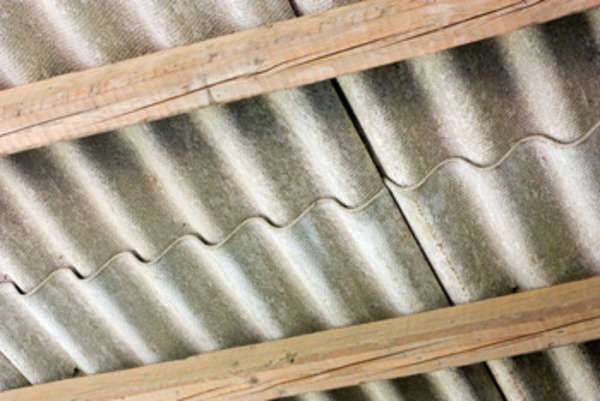
Who may remove asbestos in Indiana?
Contractors will be licensed to remove asbestos if they pass a course mandated by the state of Indiana and demonstrate this proficiency sufficiently enough to qualify a training course certificate. Failure to provide this documentation will invalidate the application, which typically takes at least 3 weeks to process. Full disclosure is necessary when applying to work with Indiana asbestos abatement procedure and this includes lawsuits, violations and other breaches of the professional standard. There will be fees to receive a license as well.
Does my property have asbestos?
Many homes built before 1980 will have some asbestos. This is typically found in insulation and drywall. Additionally, certain coatings, such as popcorn ceilings will contain more than 1% asbestos by weight. This is especially dangerous as this is friable material that can be broken easily. When friable material is broken, it will release thousands of asbestos fibers and long term exposure will cause respiratory problems.
What are emergency conditions?
Permits to perform asbestos abatement may be expedited in the event of an emergency. A major fiber release episode, which involves the visible emission of 3 sq feet of asbestos containing materials, is a serious health and structural risk, and the contract will generally be granted immediate permission to being asbestos abatement.
Who do I need to notify if I am performing Indiana asbestos abatement procedures?
You must notify the Indiana DEM of any renovation or demolition that will take place. The notification form will need to be completed in part by the building inspector who will account for the presence of asbestos containing materials. You will also need to demonstrate how the material will be disposed and abated. You must submit this form at least two weeks prior to the start of construction. Failure to adhere to these Indiana asbestos abatement procedures will result in fines and other penalties.
Regulated Asbestos Containing Material that must be removed
All materials identified by the EPA as containing asbestos must be removed in a demolition. Only certain, indurate items may remain in a renovation if the renovation will not tamper with them. Friable materials are particularly dangerous, as per federal regulations and will have to be waterlogged before removal, and will be transported in this state. All construction and demolition waste must be disposed of at a solid waste management facility, as determined by the state.