Early Uses of Asbestos
📅 2026 Update: Recent Changes in Asbestos Regulations and Compensation
Since the original article on the early uses of asbestos was published, significant changes have occurred in the landscape of asbestos regulation and compensation. The U.S. Environmental Protection Agency (EPA) has taken decisive steps to ban ongoing uses of asbestos, particularly chrysotile asbestos.
This is a crucial development for public health and safety. The information provided in the earlier article continues further down the page.
🏛️ EPA Bans Ongoing Uses of Asbestos
In 2024, the EPA finalized a rule that bans the manufacture, import, processing, and distribution of chrysotile asbestos. This form of asbestos was the only type still being imported into the U.S. The ban is a critical move to reduce exposure and health risks associated with asbestos.
💰 Asbestos Trust Fund Compensation
As of August 2026, there are over 60 active asbestos trust funds that hold more than $30 billion to compensate individuals diagnosed with asbestos-related diseases. The compensation can vary widely depending on the specific trust and the individual's circumstances.
📝 Filing a Claim
Individuals aiming to file a claim with an asbestos trust fund must complete a claim form provided by the specific trust. This form requires details about their exposure history and medical diagnosis. Navigating this process can be complex.
⏳ Processing Times for Claims
Processing times for asbestos trust fund claims can differ significantly. Some trusts aim to handle claims within a few months, while others may require more time. It is essential for individuals to check with the specific trust for their estimated processing times.
📅 Filing Deadlines
Each asbestos trust fund sets its own filing deadline, typically around 2 to 3 years after a mesothelioma diagnosis. This time frame highlights the importance of filing claims promptly to secure eligibility for compensation.
📌 Key Points to Remember
- 🚫 EPA's Ban: Ongoing uses of chrysotile asbestos are banned.
- 💵 Trust Funds: Over 60 trust funds hold more than $30 billion for compensation.
- 📝 Claim Process: Individuals must complete a specific claim form for each trust.
- ⏳ Variable Processing: Claim processing times vary by trust.
- 📅 Deadlines: Filing deadlines typically range from 2 to 3 years post-diagnosis.
💡 Tips for Navigating Asbestos Claims and Health Risks
Review the details of your situation with your attorney to understand your options fully.
🏥 Know Your Rights
Individuals diagnosed with asbestos-related diseases should be aware that they may qualify for compensation. Understanding your rights can be the first step toward seeking help.
🧾 Gather Medical Documentation
It is crucial to collect all relevant medical documents. These should include diagnosis reports and any tests related to asbestos exposure. This documentation will be necessary for filing claims.
📆 Timely Filing
Be mindful of the deadlines set by each asbestos trust fund. Missing these deadlines can limit your ability to receive compensation. Filing your claim as soon as possible is advisable.
📞 Seek Support Services
Organizations like the American Cancer Society and the American Lung Association offer free resources. These organizations can provide valuable information and support for those affected by asbestos-related diseases.
🔄 Stay Informed on Regulations
Asbestos regulations can change. Keeping up to date on new laws and guidelines from the EPA can help you understand your rights and options regarding asbestos exposure.
📉 Evaluate Your Exposure Risk
If you suspect past exposure to asbestos, consider evaluating your risk. Knowing the potential health impacts can guide you in seeking medical attention and support.
❓ Frequently Asked Questions
❓ What health risks are associated with asbestos exposure?
Inhaling asbestos fibers can lead to serious health issues, including asbestosis, lung cancer, and mesothelioma.
🧑⚕️ How do I file a claim with an asbestos trust fund?
To file a claim, individuals must complete a specific form from the trust fund. This form requires details about exposure and medical diagnosis.
⏳ What are the processing times for asbestos claims?
Processing times can vary significantly between trusts. Some aim to process claims within a few months, while others may take longer.
📅 What are the deadlines for filing claims?
Each asbestos trust fund sets its own filing deadline, usually around 2 to 3 years after a mesothelioma diagnosis. It is essential to adhere to these deadlines.
📞 Where can I find support for asbestos-related diseases?
Organizations like the American Cancer Society and the American Lung Association offer free resources and support for individuals affected by asbestos-related diseases.
📄 What documentation do I need for filing a claim?
Individuals should gather all relevant medical documents, including diagnosis reports and test results related to asbestos exposure, to support their claim.
⚖️ Recent Court Cases Related to Asbestos
Several recent court rulings have addressed issues surrounding asbestos exposure and compensation. These cases highlight the ongoing legal battles faced by individuals affected by asbestos-related diseases.
- Illinois Court Upholds Jurisdiction in Asbestos Case Against Japan BrakeAppellate Court of Illinois · September 8, 2026
- Hawaii Supreme Court Rules on Toxic Tort Case CausationHawaii Supreme Court · September 21, 2026
- Hawaii Supreme Court Rules on Toxic Tort Case AppealsHawaii Supreme Court · September 21, 2026
- Court affirms remand of asbestos case against General ElectricCourt of Appeals for the Sixth Circuit · September 9, 2026
For more recent rulings, you can check more rulings on the news page.
End of October 2026 Update
Unconfirmed accounts place the first descriptions of asbestos in the time of ancient Greece, where the word asbestos originates. The Greek word for asbestos roughly transliterates to “aminatos,” which means inextinguishable. The modern word, “asbestos” supposedly comes from a scholarly work by Pliny the Elder, a Roman scientist, who used the term asbestinon to describe the mineral. Reports of him studying the effects of asbestos fibers on the health of slaves that wore asbestos garments are however, false.
Although much of what we know about the early uses of asbestos is limited to verbal accounts and sometimes dubious sources, pre industrial peoples around the world surely recognized the unique properties of the mineral asbestos in being woven into fabric and having strongly fireproof quality. Some accounts place early asbestos fabric in fabric where kings found the fireproof fabric useful for entertaining guests. Asbestos napkins, for example, would be thrown into the fire to be cleaned. This encourages the myth that asbestos fabric derived from the fur of salamanders rather than a mineral source. The salamander is often erroneously attributed to have fireproof qualities, hence the existence of this myth.
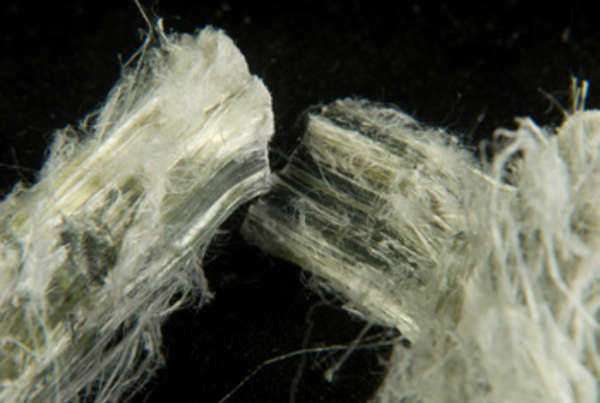
Descriptions of asbestos fiber lingers through the years, with some sources claiming that explorer Marco Polo was offered asbestos garments during his travels east. Early uses of asbestos may have included burial shrouds for kings, so as to collect ashes after cremation and ensure that the ashes did not mix with the wood or other materials in the pyre. Even Charlemagne, one of the greatest Kings of Europe was rumored to have asbestos table cloths and related items.
As you can tell, relatively low knowledge about asbestos as well as unconfirmed accounts do not give us the clearest picture of the early uses of asbestos. We can determine however, that this may have been at least a curiosity for some societies that figured out how to manipulate it.
Asbestos in ancient times
Much of what we know about early uses of asbestos in ancient times stems from archeological conclusions based on artifacts that have trace amounts of asbestos. Early peoples that lived in modern day Finland likely used asbestos to strengthen their eating and cooking utensils and vessels with anthrophylite asbestos. Archeological evidence also suggests that asbestos was used to make lost lasting wicks for lamps. Less clear are apparent medicinal uses for asbestos, which may have been prescribed for skin illnesses. It is likely the ancients did not believe this for long or saw no apparent benefit from this early use of asbestos.