Hawaii Asbestos Abatement Procedure
📅 2026 Update: Changes in Hawaii Asbestos Abatement Procedures
Since the original article on Hawaii asbestos abatement procedures was published, there have been no specific updates on state regulations or abatement processes from 2024 to 2026. Asbestos regulations can differ greatly from state to state. The older article continues further down the page, providing foundational knowledge on this important topic.
📜 Federal Regulations Update
The Environmental Protection Agency (EPA) continues to oversee asbestos abatement under the National Emission Standards for Hazardous Air Pollutants (NESHAP). These regulations remain in place, requiring certified professionals to remove asbestos before any demolition or renovation. Changes to federal guidelines are not specifically noted since the original article.
🏛️ State Regulations Status
Each state, including Hawaii, still has its own regulations regarding asbestos abatement. For the most accurate information, it is essential to consult Hawaii's environmental or health department. This is especially important as local regulations may change without widespread notice.
🔧 Abatement Procedures Summary
Asbestos abatement procedures generally remain the same. They involve inspection for asbestos materials, risk assessment, planning, removal by certified professionals, and safe disposal. These steps are crucial for ensuring safety during abatement processes.
💰 Costs of Abatement
The costs for asbestos abatement can still vary significantly. On average, homeowners in Hawaii can expect to pay between $1,500 and $3,000 for smaller projects. Larger projects may cost much more, depending on various factors.
Obtaining multiple quotes from certified contractors continues to be a best practice.
⏳ Processing Times
The duration of asbestos abatement projects can still depend on the scope of work. Smaller residential projects may be completed in just a few days, while larger commercial projects can take several weeks. Permitting and scheduling inspections can further impact timelines.
📌 Key Points Summary
- Federal Regulations: EPA oversees abatement under NESHAP.
- State Regulations: Hawaii has specific local guidelines.
- Abatement Procedures: Follow a standard process for safety.
- Cost Range: Average costs for small projects are $1,500 to $3,000.
- Project Duration: Smaller jobs may take days; larger ones weeks.
💡 Tips for Asbestos Management in Hawaii
Review the details of your situation with your attorney to ensure proper handling of asbestos-related issues.
🏗️ Understand Local Regulations
Before starting any abatement project, familiarize yourself with Hawaii's specific asbestos regulations. Local health departments can provide the most current guidelines.
🔍 Get Multiple Quotes
Always obtain multiple quotes from certified asbestos abatement contractors. This can help you find a fair price and qualified professionals for your project.
📑 Plan for Safety
Make sure to develop a detailed abatement plan that includes safety measures. Planning ahead reduces the risk of exposure and ensures compliance with regulations.
🗑️ Dispose of Waste Properly
Proper disposal of asbestos waste is crucial. Ensure that your contractor follows federal and state regulations for safe disposal to avoid penalties.
💰 Explore Financial Assistance
Check with local health departments for potential financial assistance programs. Some may offer grants or low-interest loans for homeowners, especially those with low income.
🏅 Stay Informed
Regularly check official state and federal websites for updates on asbestos regulations and best practices. Staying informed helps you stay compliant and safe.
🏆 Asbestos Abatement Services Ranked by User Reviews (2026)
This section covers asbestos-related services that may assist with testing and analysis. The order follows Trustpilot data checked in October 2026. Ratings can change as new reviews come in, and star ratings reflect only part of the customer experience.
Unhappy customers often leave more reviews, which can skew perceptions.
🥇 1. Asbestos Sampling
Asbestos Sampling has been rated 4.6 stars. This service is known for providing asbestos testing kits and laboratory analysis. However, some customers have reported issues with customer service responsiveness, which may affect overall satisfaction.
🆓 Free Options for Assistance
While direct financial assistance is limited, some nonprofit organizations and government agencies offer resources and guidance. The EPA's website provides educational materials, and local health departments can help with safe practices and regulation information.
🔎 Choosing Asbestos Services
- 🏷️ Compare pricing and services offered.
- ✅ Check for certifications and experience of professionals.
- 📅 Inquire about processing times for projects.
- 📞 Look for customer service responsiveness and support.
❓ Frequently Asked Questions
❔ What should I do if I suspect asbestos in my home?
If you suspect asbestos, it is essential to contact a certified professional for an inspection. They can safely assess and determine the presence of asbestos-containing materials.
🏘️ How can I find certified asbestos contractors in Hawaii?
You can find certified asbestos contractors through local health departments or state environmental agencies. They typically maintain lists of qualified professionals.
📜 Are there specific permits required for asbestos abatement?
Yes, permits may be required for asbestos abatement projects depending on the scope. Check with local authorities to ensure you obtain necessary permits before starting.
📈 How can I assess the risk of asbestos exposure?
A certified professional can conduct a risk assessment to determine the potential exposure from asbestos materials. They can provide guidance on the appropriate steps to take.
🚧 What are the penalties for improper asbestos disposal?
Improper disposal of asbestos can lead to significant fines and penalties. Following federal and state regulations is crucial to avoid legal issues.
📅 How often should I have my property inspected for asbestos?
It is recommended to have properties inspected for asbestos if they are older than 30 years, especially before renovations. Regular inspections ensure safety and compliance with regulations.
⚖️ Recent Court Cases Related to Asbestos
Recent court rulings have addressed various aspects of asbestos exposure and liability. These cases often highlight the importance of proper abatement procedures and the responsibilities of property owners and contractors.
- Court rules against government in OSHA penalty collection caseCourt of Appeals for the Eighth Circuit · July 1, 2026
- Court affirms dismissal of toxic exposure claims against LockheedCourt of Appeals for the Eleventh Circuit · July 28, 2026
- Fifth Circuit Rules OSHA Cannot Mandate Mental Illness RecordsCourt of Appeals for the Fifth Circuit · July 21, 2026
- South Carolina Court Rules on Asbestos Case ReceivershipSupreme Court of South Carolina · May 27, 2026
Readers can browse more recent rulings on the news page for updates and further information.
End of October 2026 Update
Although residential homes are technically not covered by Hawaii asbestos laws, it is best to hire a certified contractor that deals with Hawaii asbestos abatement procedure to ensure that you do not risk spreading the contamination when attempting to repair or remove asbestos material. Following proper abatement procedure is necessary to prevent the likelihood of fines or increased contamination due to inexperience working with dangerous materials.
Removing friable material
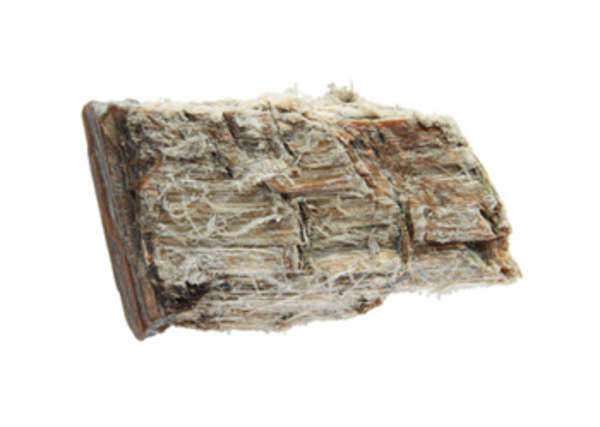
Friable material is asbestos that is exposed and can be broken with minimal force. This material will release itself in the form of tiny particles that when inhaled, lodge in the lungs and pose a cancer threat for decades afterward.
Friable material can be encapsulated, which is sealing it behind a protective lawyer of sealant. As long as the seal is not tampered with, it will be able to prevent further particle leakage. This is an option for renovation and general asbestos abatement. For demolitions however, you must remove as asbestos containing materials, including non-friable materials.
Where is asbestos in buildings?
Almost all buildings in Hawaii have some form of asbestos. In cooler states, this is usually in the form of insulation. You may not find asbestos insulation as common in Hawaii, but you will find asbestos flooring, roofing and tiling. All of these applications are considered non-friable as the layer of friable asbestos is safely locked in indurate applications or layers. There is the risk of damaging these materials and releasing asbestos fibers and the inspector or contractor will be able to advise you on the best possible course of action when dealing with this form of asbestos.
Large scale worksites
Hawaii asbestos abatement procedure also has specific provisions on large structures undergoing abatement. This includes have sanitary stations to wash off residue, signs that clearly mark that abatement is in progress, plastic sheeting to prevent fibers from spreading and the use of filters to trap loose particles that may be harmful.
Providing notification
The Hawaii Department of Health must receive notification of any action to demolish or renovate a structure. This includes asbestos abatement. The notification for, which is usually required 10 working days before the construction beings, will ask about the nature of the asbestos that will be removed, estimates at the amount to be abated and which licensed contractor will perform the asbestos abatement.
How do I dispose of ACMs according to Hawaii asbestos abatement procedures?
You may only dispose of sealed asbestos waste in landfill sites designated by the Hawaii state government. If you are transporting the waste on your own, you must notify the dump site at least 24 hours in advance so that the material can be inspected and received. You must ensure the material is wet and sealed tightly in the container. It must also be clearly labeled as asbestos waste and a potential danger if opened. If you rely on a contractor, the waste disposal will be handled by them at no risk to you.