Amphibole Fibers
📅 2026 Update: Recent Developments in Asbestos Regulations
Since the original article on amphibole fibers was written, there have been no significant legislative changes regarding asbestos types as of October 2026. The rules and regulations surrounding asbestos exposure, health risks, and abatement procedures remain largely the same. The information provided in the earlier article continues to be relevant for understanding asbestos laws and their implications.
🏢 Asbestos Abatement Procedures
Asbestos abatement procedures are crucial for ensuring safety in buildings with asbestos-containing materials. The general steps include assessing and identifying asbestos materials, preparing the site, and removing them by certified professionals. After removal, proper disposal and post-abatement air monitoring are essential to confirm safety before re-entry.
- 🔍 Assessment: Start by having professionals identify any asbestos-containing materials in your property. This is the first step to ensure safety.
- 🚧 Preparation: The site must be prepared to prevent contamination during the removal process. This includes sealing off areas and using protective equipment.
- ♻️ Disposal: Follow regulations for the proper disposal of asbestos waste. Improper disposal can lead to health risks and legal issues.
⏳ Processing Times for Abatement
Processing times for asbestos abatement can vary widely. Factors like the project size and local regulations affect how long the process will take. Be prepared for potential delays based on these factors, as specific timeframes are not provided.
🏠 State-Specific Regulations
Each state has its own regulations regarding asbestos abatement. For example, Delaware allows single-family homes to be exempt from certain regulations. It's essential to consult state-specific guidelines to ensure compliance with local laws.
📅 Deadlines for Abatement Procedures
Deadlines for asbestos abatement procedures are determined by state and local regulations. In Pennsylvania, for instance, friable asbestos must be removed before any renovation or demolition work can begin. Be aware of these deadlines to avoid penalties.
📌 Key Points Summary
- 🛑 No significant legislative changes have occurred regarding asbestos types since the original article.
- 🏢 Abatement procedures involve assessment, preparation, removal, disposal, and air monitoring.
- ⏳ Processing times vary based on local regulations and project scope.
- 🏠 Regulations differ by state, affecting eligibility and requirements.
- 📅 Deadlines for abatement must be followed to ensure compliance.
💡 Tips for Managing Asbestos in Your Property
Review the details of your situation with your attorney to understand your best options.
🛠️ Assess Your Property
If you suspect the presence of asbestos, have your property assessed by certified professionals. This is vital for determining the necessary steps to ensure safety.
🚧 Prepare for Abatement
Before any abatement work begins, ensure the site is properly prepared. This includes sealing off areas to prevent contamination and ensuring that all necessary safety measures are in place.
🗑️ Proper Waste Disposal
Always follow local regulations for the disposal of asbestos waste. Improper disposal can lead to legal issues and increased health risks.
🏠 Know Your State Regulations
Familiarize yourself with your state’s specific asbestos regulations. Some states may have exemptions or additional requirements that could impact your abatement process.
📅 Be Aware of Deadlines
Keep track of deadlines for asbestos abatement related to renovation or demolition work. Missing these deadlines can lead to penalties or unsafe conditions.
🔍 Seek Local Assistance
If you need help with asbestos-related issues, consider contacting your local health department or environmental agency. They can provide guidance and potential resources for assistance.
🏆 Free Options Ranked by User Reviews (2026)
Currently, there are no paid services that meet the review threshold for asbestos assistance. This section will focus on free government and nonprofit resources available for those dealing with asbestos-related issues.
🥇 1. Local Health Departments
Local health departments are valuable resources for information regarding asbestos exposure and abatement. They can help residents understand local regulations and connect them with available resources for assessment and removal.
🥈 2. Environmental Agencies
Environmental agencies offer guidance on handling asbestos and may provide resources for safe abatement. They can assist in understanding the risks associated with asbestos and outline state-specific regulations.
🥉 3. Community Outreach Programs
Community outreach programs may provide educational resources on asbestos health risks and safe handling procedures. These programs often help raise awareness and can offer workshops for homeowners and workers.
4️⃣ State Environmental Protection Agencies
State environmental protection agencies can guide regulations and support for asbestos management. They often have resources for homeowners and can help with understanding compliance requirements.
5️⃣ Nonprofit Organizations
Nonprofit organizations focused on environmental health may offer assistance and information on asbestos. They can provide resources for those seeking to understand their rights and options regarding asbestos exposure.
🔎 What to Check Before Paying for Help
- 🔍 Verify credentials of any service provider.
- ⚖️ Understand your state’s specific regulations on asbestos.
- 💰 Compare costs and services offered.
- 🤝 Look for reviews from other users.
- 📞 Contact local health departments for guidance.
❓ Frequently Asked Questions
🤔 What should I do if I find asbestos in my home?
If you discover asbestos, do not disturb it. Contact certified professionals for assessment and removal. They will guide you through the abatement process.
🔍 How can I identify asbestos-containing materials?
Asbestos-containing materials may be found in homes built before the 1980s. Common areas include insulation, floor tiles, and ceiling materials. Professional assessment is the safest approach.
⚠️ What are the health risks of asbestos exposure?
Exposure to asbestos can lead to serious health issues, including mesothelioma and lung cancer. Even minimal exposure can pose risks, making proper handling essential.
🛠️ Can I remove asbestos myself?
Removing asbestos yourself is not recommended due to health risks and legal regulations. Always hire certified professionals for safe handling and removal.
📅 How long does the asbestos abatement process take?
The duration of asbestos abatement can vary based on the amount of asbestos present and local regulations. Consult with professionals for estimates based on your specific situation.
📞 Where can I find help for asbestos issues?
Local health departments and environmental agencies are great starting points for finding assistance with asbestos-related concerns. They provide guidance and resources for residents.
⚖️ Recent Cases Related to Asbestos
Recent court rulings have highlighted ongoing issues with asbestos exposure, particularly concerning health risks and liability. These cases reflect the importance of understanding your rights and the legal landscape surrounding asbestos claims.
- Court Denies Centerline Logistics' Request to Halt OSHA CaseDistrict Court, District of Columbia · August 18, 2026
- Texas court dismisses appeal over nuisance abatement orderTexas Court of Appeals, 4th District (San Antonio) · August 5, 2026
- Court rules against government in OSHA penalty collection caseCourt of Appeals for the Eighth Circuit · July 1, 2026
- Court affirms dismissal of toxic exposure claims against LockheedCourt of Appeals for the Eleventh Circuit · July 28, 2026
For more information, you can browse more rulings on the news page.
End of October 2026 Update
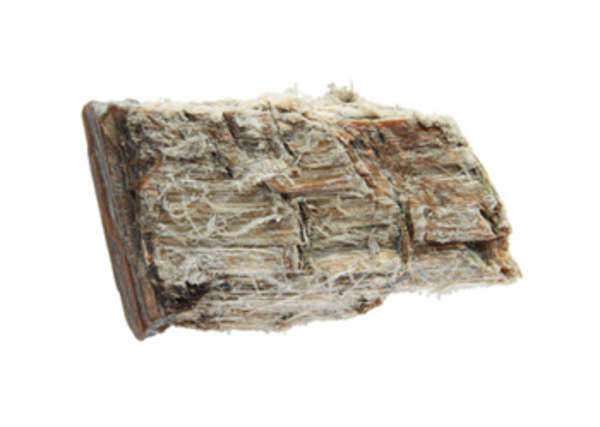
Aside from serpentine fibers, amphibole fibers are the other type of asbestos fiber and are less common in application across the United States. Amphibole fiber is typical black or blue and carries both of the same properties as white serpentine. The notable difference is that Amphibole fibers tend be less curly and easily woven as serpentine fiber. You will not see amphibole fabric applications. Asbestos is still used in many places around the world, with 2 million tons being mined annually. The material is completely banned in Europe, Australia and Japan, but other countries, such as the USA and Canada (a major producer) simply regulate its spread and use.
What are the common uses of amphibole fibers?
Amphibole fibers are most commonly used for fireproofing and thermal insulation. While the fibers may originate as variation of blue to brown, once processed into power they uniformly appear to range in color from white to grey. Roofing felt is one of the most common use of amphibole fibers and one that keeps the mineral relatively intact. Insulation is also a common use for amphibole asbestos as it will be rendered into a powder and mixed with other materials to form a heat resistant material. Some of the highest heat resistance can be found in amphibole fibers.
What are brown amphibole fibers?
Brown amphibole fibers are associated with the Amosite form of asbestos. Amosite is a trade name that derives from the name Asbestos Mines of South Africa. As you can determine, it was mined almost exclusively there. Amosite production has largely ceased from its South African location. While in use, Amosite was used typically in ceiling tiles and vents to make them fire retardant. Amosite is high in iron content, which is reflected in its brown color.
What are blue amphibole fibers?
Blue amphibole, also known as Crocidolite and Riebeckite is an iron and silicon rich compound that is considered a form of asbestos. These fibers are hair like and adhere well to the lungs, making illness for those exposed to it very likely. Blue amphibole fiber has the highest temperature resistance of all the asbestos fibers so, unlike other fibers, it has been used to insulate machinery and engines.
How do amphibole fibers sicken unsuspecting individuals?
All forms of asbestos are capable to being broken down into pieces smaller than the human eye can discern. These are inhaled and adhere to the lining of victim’s lungs and diaphragms. Over time, the amphibole fiber is not broken down and promotes malignant growth. This growth continues unchecked, assisted by continued exposure or smoking. The result is a disease similar to emphysema. Mesothelioma and asbestosis, both disorders of the lung, result in diminished lung function. Malignant growth, tumors or scarring of the lungs allow fluid to fill infected lungs and the victim exposed to amphibole fiber will no longer be able to breathe properly. This will lead to a host of complications that ensure that the victim will no longer be able to live a full or productive life. The lack of oxygen causes jaundice, weakness, blood clots and weight loss.
How can I sue for damages due to amphibole fibers?
All people are exposed to asbestos in their lifetime as it is naturally occurring. It is exceeding certain thresholds for exposure that illness will develop. These illnesses usually take 40 years to develop except in rare instances, such as the aftermath of the 9/11 attacks where a number of other hazards plus asbestos exposure sickened many rescue workers prematurely.
You can only sue for damages if you have an asbestos related illness. You and the amphibole fiber lawyer will then proceed to prove that the responsible party is responsible in part or in full for you injury. The crux of the case will rely on proving that preventable exposure sickened you, you were not informed of the potential for health risks from exposure and that the employer refused to observe due diligence in protecting their employees. This may be in addition to criminal charges against those that pollute with asbestos.
Asbestos litigation tends to be easier to file as lawyers are willing to work on contingency and claim a portion of your settlement for legal fees. Unless dictated by the state, you and your lawyer will need to find a fair percentage. You will not be obligated to pay if the lawyer uses. Be prepare to show evidence of your relationship with the other party and proof that you were present in the contaminated structure that corresponds to your current health issues.