Arkansas Asbestos Abatement Procedures
📅 2026 Update: Recent Changes in Arkansas Asbestos Abatement Procedures
Since the original article was published, asbestos abatement procedures have continued to evolve. New insights into health risks and updated regulations reflect the ongoing challenges surrounding asbestos exposure. The details from the earlier article remain relevant and are available further down the page.
🏛️ Federal Regulations Update
The Environmental Protection Agency (EPA) still oversees asbestos abatement under the National Emission Standards for Hazardous Air Pollutants (NESHAP). This federal framework emphasizes the need for certified professionals to manage asbestos removal. The importance of following these federal guidelines remains critical to protecting public health.
🌍 State Regulations
As of 2026, state regulations continue to differ significantly. States like California and New York have specific guidelines that must be followed for safe asbestos handling. Always consult your local health department for the most current regulations, as these can impact abatement procedures and safety measures.
🛠️ Abatement Procedures
The process for asbestos abatement remains consistent, involving inspection, risk assessment, planning, removal, and disposal. Each step is crucial to ensure safety and compliance with regulations. Homeowners should prioritize hiring certified professionals to handle these tasks to mitigate risks effectively.
💰 Costs of Abatement
The costs for asbestos removal still vary based on factors like location and project size. Homeowners can generally expect to pay between $1,500 and $3,000 for smaller projects. However, prices can increase significantly for larger scale removals.
It is wise to compare quotes from various contractors to find a reasonable price.
⏳ Processing Times and Assistance
Processing times for asbestos abatement projects can range from a few days for smaller homes to several weeks for larger buildings. Additionally, some states offer grants or low-interest loans for homeowners needing financial assistance for abatement. Check with local health departments for available programs.
📌 Key Takeaways
- Federal regulations still guide asbestos abatement procedures.
- State-specific regulations are essential for proper handling.
- Abatement involves multiple careful steps for safety.
- Costs vary widely based on project size and location.
- Processing times can differ based on project scope and assistance availability.
💡 Practical Tips for Asbestos Abatement
Review the details of your specific situation with your attorney.
🔍 Inspect Your Property
Start by having your property inspected for asbestos-containing materials. Identifying these materials is the first step in understanding your potential exposure risks.
📋 Develop a Plan
Create an abatement plan that outlines safety measures and removal processes. This plan should comply with local regulations to ensure safety and legality.
⚠️ Hire Certified Professionals
Always engage certified asbestos abatement contractors. They have the training and experience necessary to handle asbestos safely and in accordance with regulations.
📅 Stay Updated
Regularly check official websites for updates on asbestos regulations and best practices. Staying informed can help you navigate the abatement process effectively.
💵 Explore Financial Assistance
Look into available financial assistance programs in your state. Some programs may offer grants or loans specifically for homeowners needing help with asbestos abatement costs.
🏆 Asbestos Abatement Services Ranked by User Reviews (2026)
This section covers services related to asbestos testing and abatement. The information is sourced from Trustpilot data as of October 2026. Ratings may change over time, and it’s important to consider various factors when choosing a service.
🥇 1. Asbestos Sampling
Asbestos Sampling has been rated 4.6 on Trustpilot. It is known for its asbestos testing kits and laboratory analysis, making it a valuable resource for homeowners concerned about asbestos. However, some customers reported issues with customer service responsiveness, which may affect the overall experience.
🆓 Free Government or Nonprofit Help
While financial assistance for asbestos abatement is limited, some government and nonprofit organizations offer resources and guidance. The EPA provides educational materials on safe practices, and local health departments can connect you with certified professionals.
🔎 What to Compare When Choosing Asbestos Services
- 🏅 Trustpilot ratings and number of reviews
- 📋 Types of services offered (testing, removal)
- 🤝 Customer service experiences
- 💰 Cost estimates for services
- 🕒 Timeframes for project completion
❓ Frequently Asked Questions
❓ What should I do if I find asbestos in my home?
If you find asbestos, do not disturb it. Contact a certified professional to assess the situation and recommend the best course of action.
🏠 How can I tell if my home has asbestos?
Asbestos can be found in older buildings, particularly in insulation, flooring, and roofing materials. An inspection by a certified professional is the best way to determine its presence.
⚖️ What are the health risks associated with asbestos exposure?
Asbestos exposure can lead to serious health issues, including mesothelioma and lung diseases. It is crucial to handle asbestos safely and seek professional help for abatement.
💼 Are there any legal requirements for asbestos removal?
Yes, each state has specific legal requirements that must be followed during asbestos removal. Consult local regulations to ensure compliance.
💡 How often should I check my property for asbestos?
It is advisable to inspect properties regularly, especially if renovations are planned. A professional inspection can help identify any risks.
🚧 What steps are involved in the asbestos removal process?
The removal process typically includes inspection, risk assessment, planning, removal by certified professionals, and proper disposal of asbestos waste.
⚖️ Recent Cases Related to Asbestos
Recent court rulings have focused on asbestos exposure and its health impacts, further clarifying the responsibilities of companies in asbestos-related cases.
- Hawaii Supreme Court Rules on Toxic Tort Case AppealsHawaii Supreme Court · September 21, 2026
- Court affirms remand of asbestos case against General ElectricCourt of Appeals for the Sixth Circuit · September 9, 2026
- Texas court continues abatement in landfill dispute caseTexas Court of Appeals, 3rd District (Austin) · August 28, 2026
- Texas Court Rules on Radiation Exposure Malpractice CaseTexas Court of Appeals, 15th District · August 25, 2026
Explore more recent rulings in the news section.
End of October 2026 Update
Although the federal government, by way of the EPA, OHSA and other agencies set regulations on asbestos abatement, state reserve the right to modify and strengthen these provisions as they see fit. Each state will certify asbestos abatement technicians who are required to demonstrate knowledge of asbestos and undergo training so that they understand the potential dangers of asbestos when they will work with it.
What are the Arkansas asbestos abatement procedures for notification?
Like other states that follow federal guidelines, notification of demolition or renovation must be made ten working days prior to the start of work. The exception is government ordered demolition where the notification can be made as late as one day after the work has begun. If there is at least 260 feet of pipe, 15 square meters of flat material or 35 cubic feet of components that cannot be measured that contain asbestos, then notification will be necessary for renovations.
How does Regulation 21 define asbestos?
Arkansas asbestos abatement procedures ensure that any material that is comprised of more than 1% asbestos will be accounted, inspected and proper measures will be taken to prevent it from releasing harmful residue. Non-friable asbestos is generally not a threat to the health of inhabitants unless the structure is being demolished or there is reasonable belief that renovation will cause the non-friable material to crumble and release asbestos strands. These crumbling materials are covered by Category II of the non-friable classification.
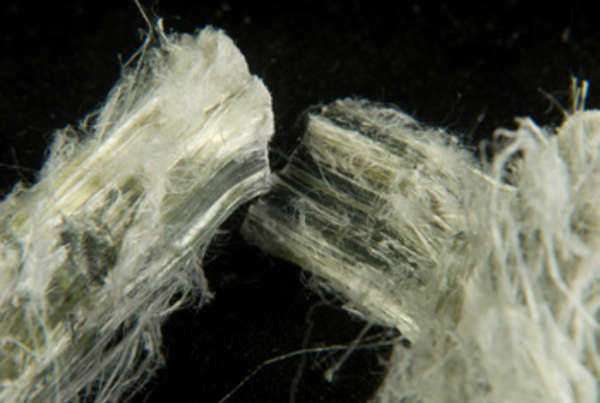
Friable asbestos is more likely to release fibers as it will yield to human pressure and is prone to degrading over time. This application is commonly seen in plaster, joint compound, weatherproofing and popcorn ceilings. Proper abatement will include soaking the material with water. Wetting the asbestos prevents the release of thousands of microfibers. Special filters that trap small particles, known as HEPA filters are also used to trap this residue. All restricted asbestos controlled materials identified by Arkansas asbestos abatement procedures will need to be removed before renovation or demolition can occur.
How is asbestos cleaned according to Arkansas asbestos abatement procedures?
The focus of asbestos abatement procedures is to prevent both long term and incidental asbestos exposure. Asbestos is most easily spread though disturbing asbestos fixtures needlessly, such as through amateur removal. Although those that work with asbestos regularly are the most vulnerable to illness, you will not want to inhale this material as it is toxic and will not break down in your lungs. Smokers and those with lung problems will be especially sensitive to loose asbestos particles. Federal mandates require a HEPA filter and vacuums to catch the smallest of airborne particles.
There is the alternative to seal friable asbestos through a process called “encapsulation.” This does not remove the asbestos but as long as the seal remains, there is no risk and the asbestos is non-friable. This is typically done on popcorn ceilings.